Newsom signs California AI safeguards into law
Governor Gavin Newsom has signed first-in-the-nation AI safeguards for California workers, and called on the federal government to follow suit.
by Trends DeskOctober 24, 20264 min read
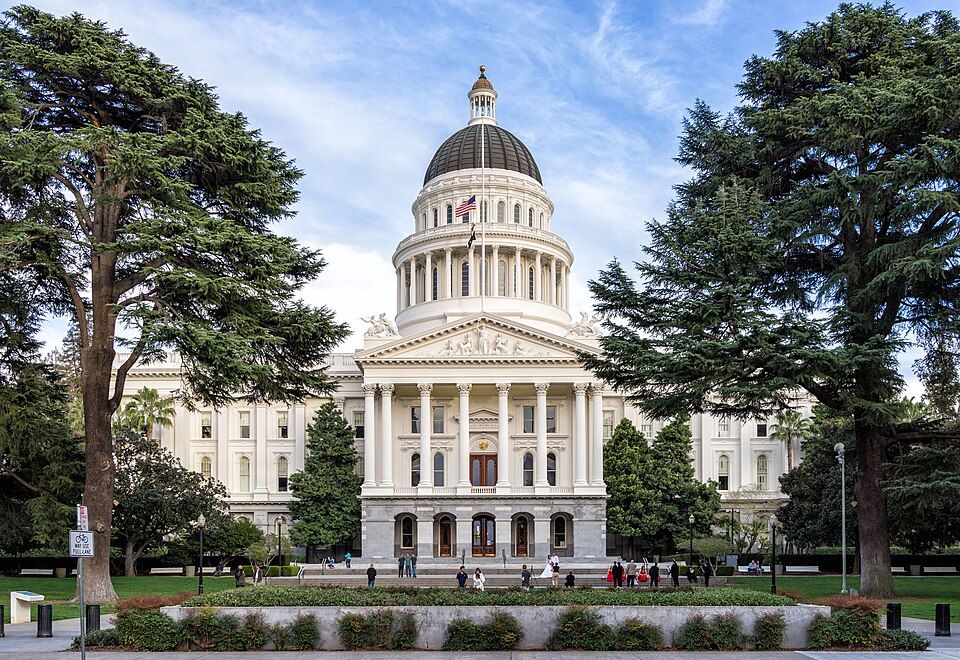
Governor Gavin Newsom has signed the California AI safeguards into law, a package described by the governor's office as first-in-the-nation protections for workers facing artificial intelligence at work, according to the California State Portal. The package, signed on 30 September, includes four bills, SB 947, SB 951, AB 1331 and AB 1883, and it is aimed at keeping human judgement in decisions that affect jobs, pay and privacy. Newsom also called on the federal government to adopt similar safeguards, presenting California's action as an example for national rules rather than a substitute for them. The governor's office said the laws put people at the centre of decisions about automated technology at work.
The central rule in the package is that employers may not rely only on automated systems when making disciplinary or termination decisions. A real person must review such actions, so that a worker is not disciplined or dismissed by an algorithm alone. The laws also require employers to tell workers when a mass layoff, relocation or termination is caused by an AI system, giving people a clearer account of why a major employment decision was made. Those two rules together address the most direct way automated tools can affect a working life: a decision about whether someone keeps a job, and the explanation given for it.
How the California AI safeguards protect workers
The California AI safeguards protect workers in several further ways, according to the governor's office. Employers are banned from using workplace surveillance tools in a bathroom located in the workplace, a rule that draws a clear line around employee privacy. California public higher education institutions must create training for students, faculty and staff on AI training and procurement, so users understand how they work. Lawyers are also covered: the laws prohibit them from fully handing over core legal work, such as drafting briefs or providing legal judgement, to AI, keeping professional responsibility with the person who practises law.
Workplace AI is already used in hiring, scheduling, monitoring and performance reviews in many industries, and the new laws respond to that spread by setting limits before the technology becomes harder to regulate. The governor's office said workers across California had demanded that the state lead the way in regulating AI in workplaces, and the California Federation of Labor Unions, AFL-CIO, welcomed the signings as a start to putting guardrails on AI at work. The federation's president, Lorena Gonzalez, was quoted as saying the bills show how the country can begin to put human oversight over the technology, limit workplace surveillance and put workers first.
What the California AI safeguards mean for employers
The California AI safeguards mean employers must check how workplace AI is used in decisions about staff, and must be able to show that a person reviewed any disciplinary or termination decision. They must also be ready to give notice when a major employment change is caused by an AI system, and they must remove workplace surveillance tools from bathrooms in the workplace. For public colleges and universities, the California AI safeguards mean new training programmes on AI use and procurement for students, faculty and staff. For law firms, they mean that core legal work cannot be handed over entirely to an automated system, even when that system can draft text quickly.
Gavin Newsom has presented the package as part of a wider California approach to AI, building on an earlier executive order on preparing workers and businesses for AI disruption. The governor's office said the state is putting people first. The laws do not ban AI at work. The California AI safeguards set limits on how far automation can go without human review, and they require transparency when automation drives a major change.
What the California AI safeguards mean for federal action
Gavin Newsom called on the federal government to do its part because California's rules, on their own, cover only workers in one state, while workplace AI is used across the country. A national set of safeguards would give workers in other states similar protections, and it would give employers that operate in many states a single set of rules to follow. The governor's call also reflects a familiar pattern in American regulation, in which one state acts first and others, or the federal government, follow with their own versions. Whether Washington takes up that call remains an open question, and the California AI safeguards will operate in the meantime as the country's first attempt at this kind of workplace protection.