
Law note paved way for lake buffer changes in Karnataka
A law department note saying the NGT is not a constitutional court paved the way for lake buffer changes in Karnataka, RTI records show.
by Trends DeskNovember 19, 20264 min read
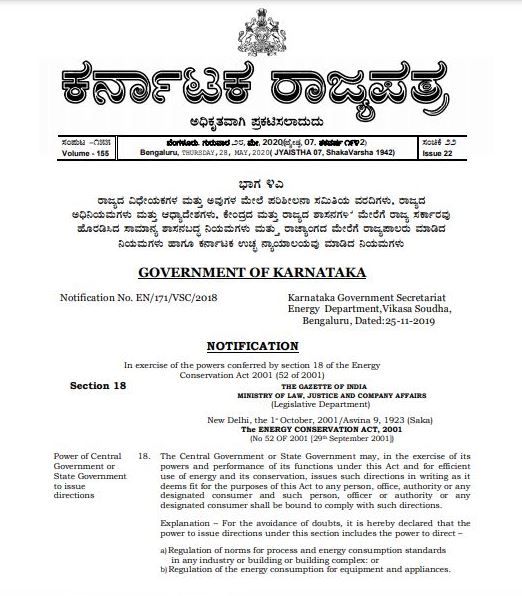
A note from Karnataka's law department that said the National Green Tribunal is not a constitutional court paved the way for changes to lake buffer rules in the state, according to records obtained through the Right to Information Act. The note gave the government the legal room to shrink the protected strips around lakes and storm water drains, and the changes were later written into law.
The records were obtained by lake activists from the Department of Law and Parliamentary Affairs. They show that the then deputy chief minister, D. K. Shivakumar, directed reductions in lake and drain buffers at a meeting with the real estate sector on August 31, 2024. The lake buffer reductions were then notified in February 2026 through amendments to the Karnataka Tank Conservation and Development Authority Act, 2014.
The government has now extended the same reductions beyond Bengaluru. A draft notification dated October 9, 2026 from the Urban Development Department applies the new buffer widths to local planning areas across Karnataka, outside the Bengaluru Metropolitan Region. The same reductions were first notified in October last year for local planning areas in the Bengaluru Metropolitan Region, covering Bengaluru lakes and their drains. Environmentalists and lake activists filed objections to the draft on November 9 and asked the government to republish it with wider publicity and a fresh 30-day period for public consultation.
Under the revised rules, the buffer for primary storm water drains falls from 30 metres to 15 metres on either side. Secondary drains fall from 15 metres to 10 metres, and tertiary drains from 10 to 25 metres down to 5 metres. The lake buffer rules replace uniform setbacks with tiered distances based on the size of the lake. Drains that feed into tertiary drains keep the buffer shown in revenue records, with no separate mandatory strip.
Lake buffer cuts drew objections from activists
Nirmala Gowda of Mapping Malnad submitted the objections to the secretary of the Urban Development Department. She said the proposed lake buffer reductions were driven by real estate interests and ignored technical guidelines on drainage planning from the Central Public Health and Environmental Engineering Organisation. She said the cuts would weaken Karnataka's water security and disaster resilience, and pointed to constitutional protections under Articles 21 and 48A, the public trust doctrine and the precautionary principle.
The dispute has a long history in Bengaluru. In 2016 the National Green Tribunal ordered a 75-metre buffer around lakes and buffers of 50, 35 and 25 metres around primary, secondary and tertiary drains in the Forward Foundation case, which concerned encroachment around Bengaluru lakes such as Bellandur and Agara. The Supreme Court set aside those general directions in March 2019, and the buffers reverted to the limits in the city's master plan: 30 metres for lakes and 50, 25 and 15 metres for the three classes of drains.
The law department note treated the tribunal as a body created by statute rather than a constitutional court, and on that reading the state legislature could change the buffer rules by amending the law. The note was part of the file that led to the February 2026 amendments, months after D. K. Shivakumar had directed the reductions. Activists say the Karnataka High Court judgment in W.P. No. 817 of 2008, which accepted the Justice N.K. Patil committee report calling the 30-metre lake buffer essential, was left out of the legal opinion given by Advocate General Shashi Kiran Shetty.
Lake buffer cuts raise flood and pollution fears
Activists say vegetated buffers are the last line of defence against pollution, catching sediment and waste in surface runoff before it reaches lakes and storm water drains. With untreated sewage, industrial effluents and solid waste already straining rivers and drains, they say smaller lake buffer strips will compound pollution and worsen public health risks. Karnataka is among India's most drought-vulnerable states, second only to Rajasthan, and the drought of 2023-24 exposed the state's lack of water reserves.
The five corporations under the Greater Bengaluru Authority have unveiled plans for new roads and road widening, with alignments cutting across lake buffer land, drains and green spaces. Activists say the roads clear the way for real estate development at the cost of the city's defences against floods and water scarcity.
The draft notification is open for objections, and the activists have asked for a fresh consultation period before any final decision is taken.
Related articles in Law & Government
View all Law & Government →Browse more stories in Law & Government.