NHTSA proposes driverless car lights for US roads
The National Highway Traffic Safety Administration has proposed optional cyan exterior lamps to identify vehicles with automated driving systems.
by Trends DeskNovember 19, 20264 min read
United States auto safety regulators have proposed a new category of cyan exterior lamps to identify driverless vehicles to other road users. The driverless car lights would be green-blue in colour. One or two of the lights would be placed on the front, sides, and rear of vehicles equipped with automated driving systems, at least 15 inches above the ground, according to the National Highway Traffic Safety Administration (NHTSA) proposal made public on October 24, 2026, and reported on October 27, 2026.
The proposal would add a colour that American roads have not used for passenger vehicles. For decades, passenger vehicle exterior lights have been confined to red brake signals, amber turn indicators, and white headlamps. The driverless car lights would break that pattern in a controlled way. The lights would be optional, not required, under the proposal. A maker that fits them would have to follow the standard for where they sit and how they look.
Why driverless car lights are proposed now
Driverless car lights are proposed now because self-driving vehicles are already on public roads in some American cities. The rules for exterior lights were written long before automated driving systems existed. Those rules set out a limited set of colours and positions. They did not plan for a vehicle that drives itself and has no human driver to signal or respond.
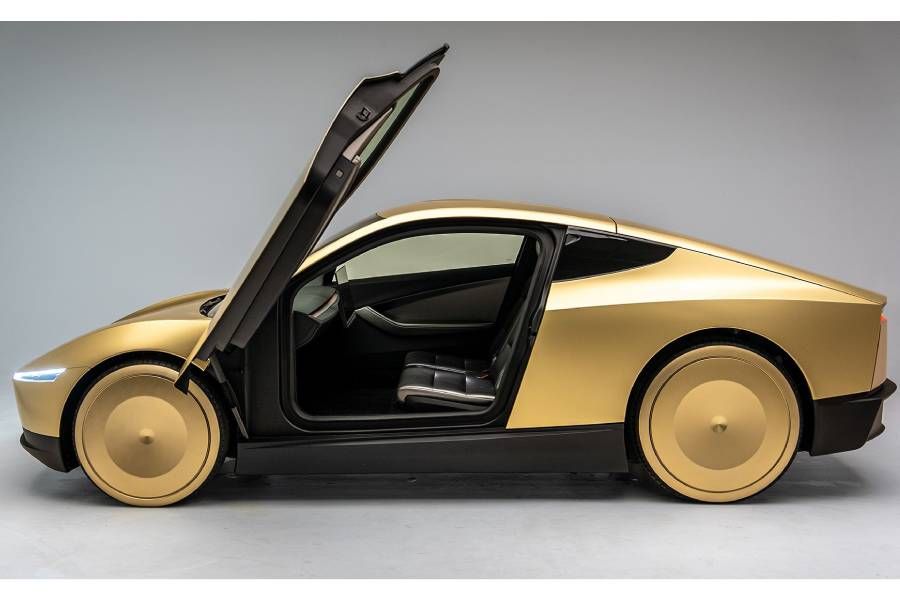
NHTSA has been working through that gap in stages. In June 2026, the agency proposed allowing makers to remove the brake pedal in vehicles designed to be operated only by an automated driving system. If adopted, that change would clear a hurdle for vehicles built without manual controls, including the Tesla Cybercab robotaxi. The cyan lights proposal is a separate step in the same work. It deals with how other road users recognise a self-driving car, rather than with the controls inside it.
A standard colour also avoids a patchwork problem. Without a federal standard, each state or each maker could pick its own signal for a driverless car. Drivers travelling between states would then face different signals for the same thing. A single national standard for driverless car lights would give every road user the same cue in every state. The agency said creating standards would help ensure cars are identified consistently, avoiding differing approaches that could confuse or distract other drivers.
How the proposed driverless car lights would work
The proposed driverless car lights would be cyan, a green-blue colour. One or two lights would be placed on the front, sides, and rear of a vehicle equipped with an automated driving system. The lights would sit at least 15 inches above the ground. That height rule keeps the lights visible to drivers in nearby cars and to people on foot, while keeping them in a consistent band on the vehicle.
The lights would be optional under the proposal. A maker would not have to fit them. A maker that chose to fit them would have to meet the standard. That approach is common in vehicle safety rules. It lets makers adopt a new feature early, while making sure early versions of the feature look and behave the same way across brands.
What happens next for driverless car lights
The agency is now seeking public comment on the proposal. Members of the public, makers, safety groups, and police can submit views on the colour, the placement, and the height rule. The comment stage is a normal part of federal rulemaking. It lets the agency hear problems with a proposal before it becomes final.
Final rules in this area often take several months or more. The agency must read the comments, weigh the evidence, and publish a final version of the rule. The proposal may change in that process. The colour could change, the placement could change, or the lights could be made required rather than optional. Until a final rule is published, the cyan lights remain a proposal, not a requirement.
For now, the dated facts are clear. The National Highway Traffic Safety Administration proposed a new category of cyan exterior lamps for driverless vehicles. The proposal was made public on October 24, 2026, and reported on October 27, 2026. The driverless car lights would be optional, green-blue in colour, and placed on the front, sides, and rear at least 15 inches above the ground. The agency is seeking public comment, and it often takes several months or more for such proposals to be finalized.