North American robot orders rise 24.8% in Q3
North American companies ordered 10,989 robots worth $723.5 million in the third quarter, up 24.8% from a year earlier, industry data showed.
by Trends DeskNovember 19, 20263 min read
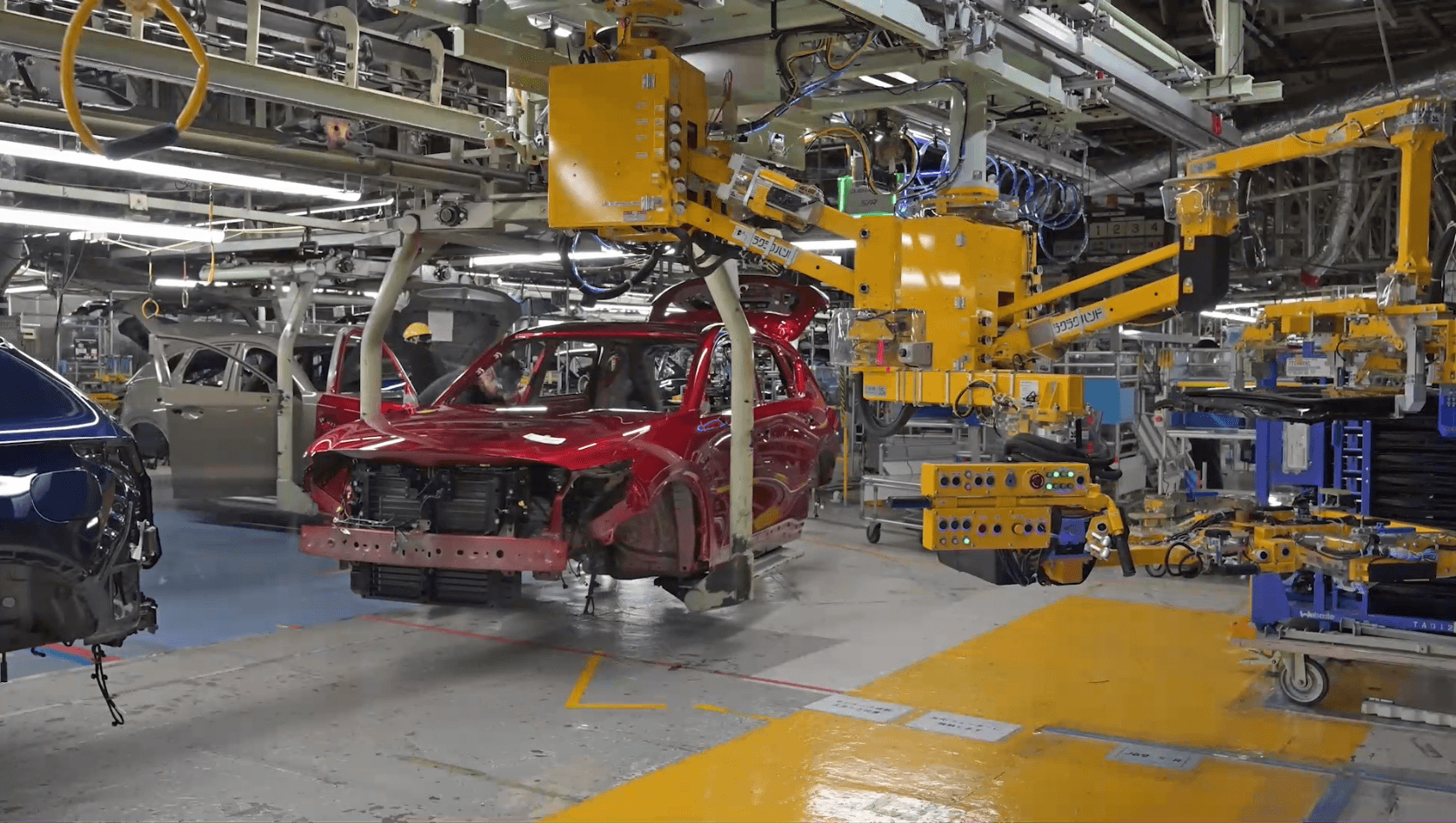
North American companies ordered 10,989 robots valued at $723.5 million in the third quarter of 2026, according to data from the Association for Advancing Automation, known as A3. Robot orders rose 24.8 percent in units and 26.1 percent in value from a year earlier, the strongest quarter of 2026 so far.
Orders for the first nine months of 2026 reached 28,984 robots valued at about $1.89 billion. That is up 9.6 percent in units and 13.3 percent in value from the same period a year earlier. The result points to rising capital spending across factories, warehouses and other production sites, as companies buy machines to handle work they cannot staff.
What the robot orders figures show
Automotive makers returned to growth in the quarter, with orders from car producers rising 7.5 percent after declines in the first half. They remain 17 percent below their year earlier level through the first nine months. Orders from automotive component suppliers climbed 90.4 percent, a sign that parts makers are investing even as vehicle assembly plants spend more slowly.
A3 Executive Vice President Alex Shikany said growth was broadly distributed across industries, indicating a more diversified market. The September ISM Manufacturing PMI registered 54.5, a ninth consecutive month of expansion, and Federal Reserve data showed manufacturing output up 0.3 percent in September. Both readings line up with the robot orders data, which shows factories adding capacity rather than cutting back.
Robot orders for the first nine months of 2026 reached 28,984 units valued at about $1.89 billion, up 9.6 percent in units and 13.3 percent in value from the same period a year earlier. That nine month total shows robot orders growing even as automotive maker orders remain below last year's level, because gains in electronics, pharmaceuticals and metals have filled the gap. The association said the quarter was the strongest of 2026 so far for robot orders.
Where robot orders grew fastest
Semiconductor, electronics and photonics orders rose 97.6 percent in units, the sharpest gain of any sector. Plastics and rubber orders rose 67.7 percent, life sciences, pharma and biomedical orders rose 38.7 percent, and metals orders rose 37 percent. Food and consumer goods was the one major sector to fall, with orders down 23.7 percent.
Collaborative robots, the smaller machines designed to work beside people rather than behind safety fences, reached 1,831 units valued at $63.8 million. That is up roughly 56 percent from a year earlier and equal to 16.7 percent of all units ordered in the quarter. Analysts at Next Move Strategy Consulting said labour constraints, reshoring and productivity requirements are sustaining demand for automation, making purchasing decisions less cyclical and more strategic.
The analysts also noted that growth is expanding beyond traditional automotive uses into electronics, logistics and pharmaceutical manufacturing, a pattern consistent with the diversified order mix reported this quarter. The global industrial robotics industry was valued at $48.75 billion in 2025 and is projected to reach $88.66 billion by 2030, a compound annual growth rate of 12.7 percent, according to Next Move Strategy Consulting.
What could slow robot orders
Higher input costs, trade uncertainty and the timing of large manufacturing projects remain factors to watch, A3 said. Tariff and input cost conditions, along with project timing, will remain the principal variables for suppliers and integrators into the final quarter of 2026. Continued expansion in manufacturing activity and investment in semiconductor and pharmaceutical production are likely to support order volumes, but a delay in a few large projects can move a quarter's total. The third quarter data indicates that robot demand is broadening across end use sectors while automotive maker spending recovers gradually.