
North Dakota teacher shortage leaves 250 posts unfilled
North Dakota schools reported more than 250 unfilled posts in fall 2026. Elementary posts were 30 percent and special education posts 20 percent.
by Trends DeskNovember 19, 20264 min read
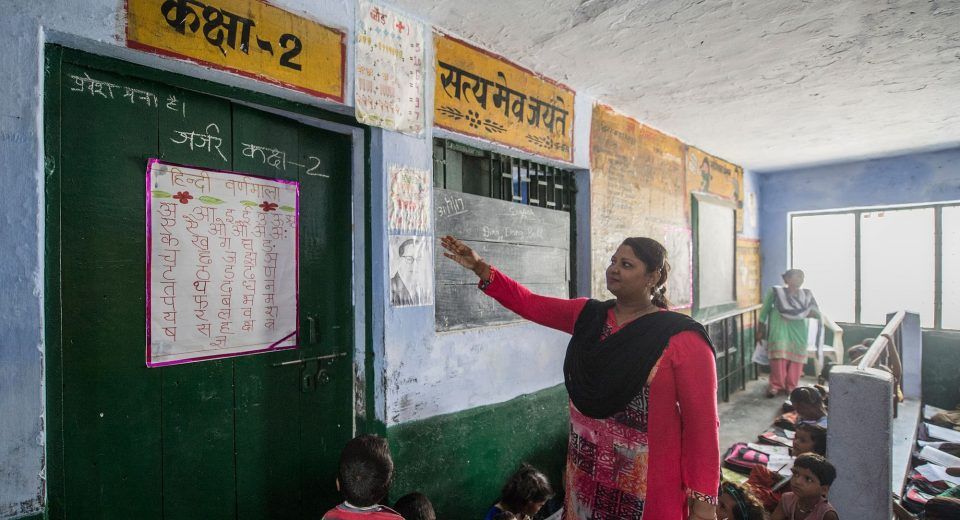
Elementary teachers account for 30 percent of North Dakota unfilled education posts and special education teachers account for 20 percent, according to the state annual Unfilled Positions Survey published on October 26, 2026. The North Dakota teacher shortage picture comes from a fall 2026 survey in which respondents identified more than 250 unfilled posts, even though only part of the state took part. State Superintendent Levi Bachmeier said: "Behind every one of these numbers is a classroom of North Dakota students waiting for a teacher."
The teacher shortage survey gives a partial count, and that limit matters for how the result should be read. It was voluntary, and respondents represented 27 percent of the state school districts. The more than 250 posts are the posts those respondents reported, so the survey does not claim to count every vacancy in North Dakota. It still shows where the reported need was concentrated, and the concentration was clear. Elementary posts formed the largest share, and special education posts formed the second largest share. Together, those two groups made up half of the reported unfilled posts in the North Dakota teacher shortage survey.
How the North Dakota teacher shortage survey was run
In fall 2026, every local education agency in North Dakota was invited to complete the survey, along with the bodies that support them. The invitation also went to special education units, career and technical education centers and regional education associations. Responses came through the State Automated Reporting System. Because the survey was voluntary, the response rate shapes the result. A district that did not respond did not add its posts to the total, and a post reported by a respondent counted once in the survey total.
The state used a clear rule for deciding which areas counted as critical. A reporting category with 10 or more unfilled posts was deemed a critical shortage area. That rule put several roles on the critical list in addition to the two largest groups. High school teachers, school counselors, career and technical education instructors, art and music specialists and speech-language pathologists were also named as critical shortage areas. Art and music teachers were added to the critical list this year, according to the release title, which shows that the list can change from year to year as reported posts change.
Elementary and special education posts lead the teacher shortage list
Elementary teachers teach the youngest pupils in the school system, and their posts made up the largest share of the reported total. At 30 percent, elementary posts were well ahead of any other single group except special education. Special education teachers work with pupils who need extra support in school, and their posts made up 20 percent of the reported total. The two shares together explain why the North Dakota teacher shortage discussion in this release centers on those two areas first, even though other roles also reached the critical threshold.
Bachmeier linked the numbers to action on teacher supply. He said the teacher shortage data helps show where the need is greatest, and he pointed to work on pathways into education, support for educators already in classrooms and joint work with districts, universities and lawmakers. His aim, as stated in the release, was to make teaching in North Dakota a career people choose and stay in. That wording covers both recruitment and retention. A post can stay unfilled because no one applied, because a teacher left, or because a teacher moved to another role, and the release does not separate those reasons. The survey counts posts, not the reasons behind each post.
What the teacher shortage list means for schools
North Dakota published the teacher shortage survey result on October 26, 2026, with the two largest shares at the top of the release. Elementary teachers at 30 percent and special education teachers at 20 percent account for half of the reported unfilled posts, and the remaining critical areas cover high school teaching, counseling, career and technical instruction, art and music and speech-language pathology. The survey counted more than 250 unfilled posts from the districts and support bodies that responded in fall 2026.
Related articles in Jobs & Education
View all Jobs & Education →Browse more stories in Jobs & Education.