Nvidia AMD Margins: Which AI Chip Giant Has More to Lose?
Nvidia vs AMD: which AI business has more room for margins to fall? A look at the Nvidia AMD margins debate as AI chip competition intensifies.
by Trends DeskOctober 18, 20263 min read
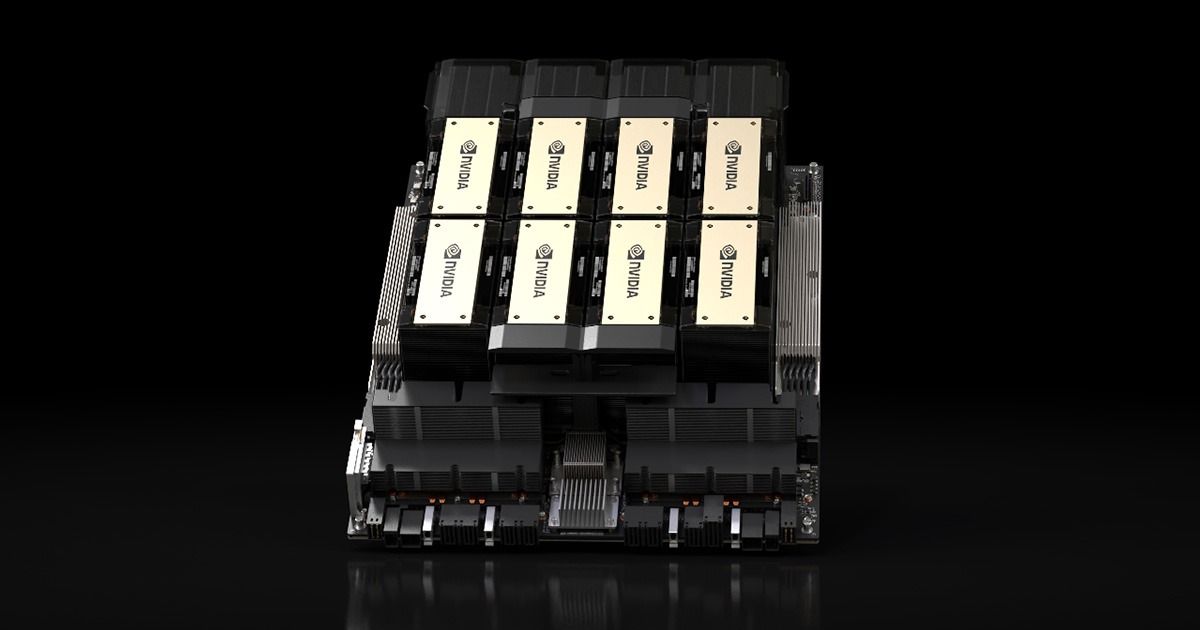
As artificial intelligence infrastructure spending continues at a historic pace, investors are asking a pointed question: which AI business has more room for margins to fall — Nvidia or AMD? The Nvidia AMD margins debate cuts to the heart of how durable demand for AI chips really is, and whose profits are most exposed if competition intensifies.
Nvidia has built one of the most profitable franchises in technology history on AI chips, commanding premium pricing for the accelerators that power data centers worldwide. The Nvidia data center business now sets the industry's benchmark for profitability, while AMD pitches itself as a credible alternative for customers wary of single-vendor dependence.
Nvidia AMD margins: the premium question
The starting point for the Nvidia AMD margins comparison is simple: Nvidia's gross margins sit far above AMD's, reflecting dominant market share and pricing power in AI accelerators. That premium is a sign of strength — but it also means the Nvidia data center franchise has further to fall if pricing pressure arrives.
Bulls argue the premium is earned and defensible, pointing to Nvidia's software ecosystem and performance lead. Bears counter that no margin this rich survives intensifying competition forever, and that AMD AI accelerators are exactly the kind of threat that compresses industry gross margins over time.
The competitive landscape is no longer a two-horse race. Beyond AMD, large cloud customers are designing their own AI chips, startups are shipping alternatives, and every new entrant chips away at the pricing power that sustains today's profitability. The Nvidia AMD margins question is really about how long premium pricing can last.
Nvidia AMD margins under competitive pressure
AMD's position is different: as the challenger, it can compete on value, winning business even at lower gross margins while it scales. If AMD AI accelerators keep gaining share, the Nvidia data center margin story shifts from expansion to defense — a far less comfortable narrative for investors.
In the near term, insatiable demand is likely to keep both companies' profitability healthy; when customers are capacity-constrained, price discipline holds. But history suggests that extraordinary profitability attracts extraordinary competition, and the accelerator market is no exception.
Which way do Nvidia AMD margins go from here?
For investors, the Nvidia AMD margins debate is ultimately about risk: Nvidia offers the bigger prize but the bigger fall if the cycle turns, while AMD offers a steadier climb with less distance to drop.
Which company adapts fastest when pricing pressure arrives may matter more than who starts from the higher peak. Product cadence, software lock-in, and supply execution will decide the next phase.
There is also the question of how long the current spending cycle lasts. Data center buildouts move in waves, and suppliers that look invincible at the peak of a wave can look exposed when orders pause. Investors who lived through previous chip cycles know the pattern well.
For now, order books remain strong and customers continue to race for capacity. But the smartest investors are already asking what the margin structure looks like on the other side of the boom — and which balance sheet is best prepared for leaner times. The companies that plan for that moment now will own the next one.
For now, the Nvidia AMD margins question hangs over every earnings call in the sector — a reminder that in semiconductors, today's premium is tomorrow's target.