
Teaching, health and ICT are Europe's hardest-to-fill jobs, OECD finds
Teaching, healthcare and ICT are Europe's hardest-to-fill jobs, the OECD found, with teacher shortages in most of the 27 countries studied.
by Trends DeskNovember 19, 20263 min read
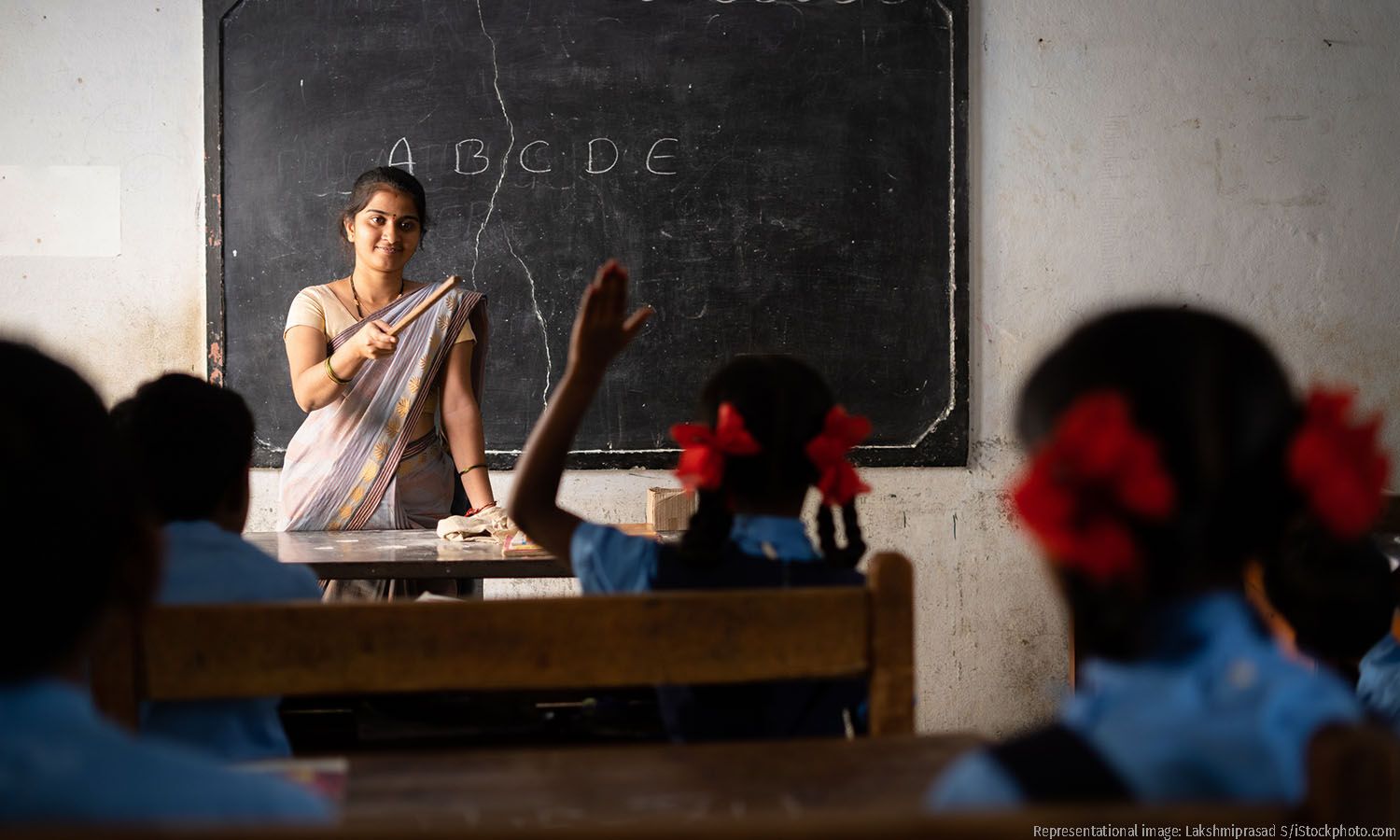
Teaching, healthcare and information and communications technology are Europe's hardest-to-fill jobs, the OECD found in a new report on skill shortages. The OECD skills report, Mapping Skill Shortages in OECD Countries, was published in October 2026 and covers 38 countries. Across Europe, teaching ranks as the hardest occupation to fill on average, followed by health professionals and ICT professionals.
The report draws on the OECD Skills for Jobs Database 2026, using data from 2024 for most countries. It ranks the hardest-to-fill jobs on an index built from six labour market signals, including wage growth, employment growth, the unemployment rate, growth in online job postings, growth in hours worked and the share of workers who are underqualified for their job. The index compares occupations within each country, so it shows how hard a job is to fill next to other jobs in the same country. It does not count vacancies or missing workers.
Teaching tops the hardest-to-fill jobs list
Teachers are among the five hardest occupations to fill in 13 countries. Health professionals and ICT professionals appear on the same list in 12 countries each. Health professionals are hard to find in 23 of the 27 European countries studied, while teachers are hard to find in 21 and ICT professionals in 18. Health associate professionals, such as medical technicians and some nursing staff, and business and administration professionals complete the top five.
The teacher shortage behind the hardest-to-fill jobs is not limited to one country. The 27 countries in the European analysis include the European Union states, the United Kingdom, Norway, Switzerland and Turkey, and the pattern holds across most of them. The OECD found that the unemployment gap between young graduates and the wider working-age population has widened in the countries it studied, even as employers struggle to fill skilled roles.
Why the hardest-to-fill jobs stay open
The hardest-to-fill jobs stay open in part because of demand for digital skills. Shortages among ICT staff are linked to the digital transformation of economies and the rapid growth of artificial intelligence, the OECD skills report said. Labour shortages are also higher in firms that use green and digital technologies, which often rely on high-skilled labour. The report found that shortages tend to concentrate in high-skilled occupations, while surpluses are more common in lower-skilled work.
The contrast with the hardest-to-fill jobs is sharp at the other end of the scale. Labourers are the easiest occupations to recruit, followed by elementary workers, food preparation assistants, sales workers and assemblers. Food preparation assistants are in large shortage in Germany, Spain and the United States, the report notes, which shows how the pattern shifts from country to country. The OECD classifies the labour market for ICT staff as broadly in balance in Denmark, Finland, Germany, the Netherlands, Norway and Sweden, and in surplus in Austria, Switzerland and the UK.
The hardest-to-fill jobs in numbers
The findings leave governments with a plain problem: the teacher shortage sits alongside a tougher jobs market for young people, and training more teachers, health workers and ICT staff takes years. The OECD skills report puts the scale of that problem in numbers for the first time since the database was last updated in 2022, and the European numbers show the same three occupations at the top in country after country. OECD economist Isabel Skak Olufsen was among those who spoke about the findings as the report returned to the news in November, and the figures give employers and governments a shared measure of where the gaps sit.
Related articles in Jobs & Education
View all Jobs & Education →Browse more stories in Jobs & Education.