Oil prices ease from six month highs on October 26
Crude oil prices declined on Monday, October 26, retreating from near six-month highs recorded last week.
by Trends DeskOctober 26, 20264 min read
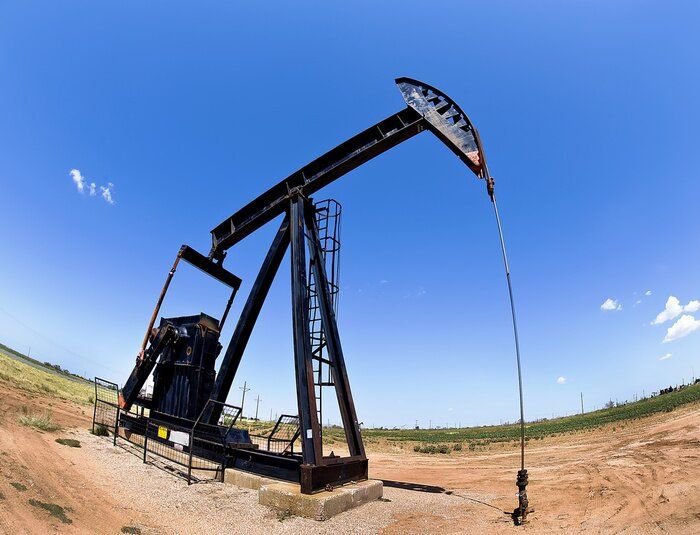
Crude oil prices declined on Monday, October 26, retreating from near six-month highs recorded last week, as investors assessed the outlook for global supplies amid continuing tensions in the Middle East. US West Texas Intermediate crude futures fell 2.2 percent to $101 per barrel, while Brent crude futures declined 2.1 percent to $114.3 per barrel, according to a market report on Monday. In early Asian trading, Reuters reported West Texas Intermediate at $101.67 a barrel, down $1.60 or 1.55 percent, and Brent at $115.16, lower by $1.56 or 1.34 percent. The decline followed a sharp rally in the previous session, when both benchmarks settled nearly $3 higher after attacks in Saudi Arabia heightened concerns about potential disruptions to oil supplies. Despite Monday's pullback, crude prices remained elevated, with investors wary that further escalation in the region could tighten global energy supplies and trigger another round of price increases.
Why oil prices fell on Monday
Oil prices fell in part because traders took profits after a strong weekly rise. Brent crude rose around 6 percent over the previous week, while West Texas Intermediate gained 2.3 percent, reflecting growing concerns about the security of oil production and transport infrastructure in the Middle East. A pullback after that kind of rise is common, as traders lock in gains before the next news event. Another factor was a statement from US President Donald Trump on Sunday, when he said there would be no strike on Iran that day. That comment eased the immediate risk premium in oil prices, even though the wider conflict has lasted since February. Stock futures rose slightly on the same news, with Dow futures up about 0.2 percent, S and P 500 futures up about 0.1 percent and Nasdaq 100 futures roughly flat late on Sunday. The 10-year Treasury yield slipped below 5 percent, to about 4.97 percent, in early Monday trading in Europe. Those moves together pointed to a market that was less worried about an imminent escalation, while still pricing in a conflict that has not ended.
How Middle East tensions still shape oil prices
Middle East tensions still shape oil prices because the region supplies a large share of world oil and gas, and because key shipping routes pass through it. Over the weekend, fighting between Saudi Arabia and Iran-backed Houthi rebels escalated, with the Houthis claiming attacks on Riyadh's King Khalid International Airport in retaliation for Saudi strikes on Sanaa and other Yemeni areas. Iran has warned it could retaliate against any new offensive, potentially targeting Israel and the United Arab Emirates. The US Department of State has ordered non-emergency personnel out of Saudi Arabia due to the deteriorating security environment. Markets remain sensitive to the Strait of Hormuz, where up to 25 percent of global oil and liquefied natural gas shipments transit. Crude oil exports from the Middle East have recovered to levels close to those seen before the conflict erupted, according to market reports, which is one reason prices fell on Monday despite the attacks. The gap between actual supply losses and the risk of future disruption is now the main question for traders. If exports keep flowing, prices can ease. If infrastructure is hit, prices can rise fast.
What the oil prices move means for buyers
For buyers, the oil prices move on Monday offered some relief, but not a return to low prices. Brent at about $114 and West Texas Intermediate at about $101 are still high by recent standards, and they feed into fuel, transport and heating costs. The UAE's Murban crude moved in the opposite direction on Monday, rising above $118 per barrel, a rise of about 3 percent, which showed that not all grades of crude moved together. Murban had surged nearly 4 percent on Friday to $114.40 per barrel, bringing it in line with Brent and removing the discount at which it had recently traded. That premium reflects buyers seeking crude that can bypass the Strait of Hormuz. For importers, the mix of falling Brent and rising Murban shows how security concerns can change the relative value of different crudes, even on a day when the headline benchmarks fall. The next move in oil prices will depend on whether attacks continue, whether exports are disrupted, and whether diplomatic efforts reduce tensions. Until those questions are answered, traders are likely to keep a risk premium in prices, and daily moves of $2 or more a barrel may remain common.