
Air pollution in India linked to 2 million deaths
Air pollution in India was behind more than two million deaths in 2023, the FICCI-EY paper says, calling for PM2.5 targets in the clean air plan.
by Trends DeskNovember 19, 20264 min read
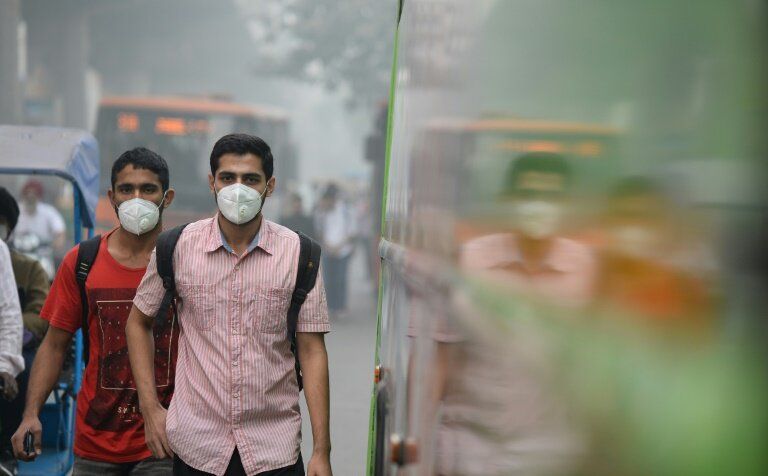
Air pollution in India was behind more than two million deaths in 2023, according to a knowledge paper released in New Delhi on 5 November by the Federation of Indian Chambers of Commerce and Industry (FICCI) and EY. The paper, titled "Clean Air, Healthy India", calls for a health-led approach to clean air, with explicit targets to cut fine-particle pollution under the National Clean Air Programme (NCAP). It says India must move from seasonal, reactive measures to a sustained strategy that runs through the year.
The figure counts deaths attributable to air pollution, which means deaths estimated from population-level risk rather than deaths certified one by one. The figure comes from the State of Global Air 2025 report, produced by the Health Effects Institute with the Institute for Health Metrics and Evaluation, and the FICCI-EY report uses it to frame the scale of the problem. The same report puts global deaths from air pollution in 2023 at 7.9 million, with about 6.8 million of them, or nearly 86 percent, from non-communicable conditions, mainly stroke, heart attack and diabetes complications.
Air pollution in India and the 2 million figure
Air pollution in India harms health mainly through PM2.5, fine particulate matter measuring 2.5 microns or less. These particles penetrate deep into the lungs and pass into the bloodstream, driving chronic respiratory illness, heart disease, stroke and cognitive impairment. The paper says the health consequences fall hardest on children, older people and those with existing heart or lung conditions, and it says health systems need to prepare for pollution as a standing risk rather than a winter emergency.
The paper was released as north India heads into its annual smog season, when cold air traps smoke and dust over cities. Delhi's own sources account for only 36 percent of its PM2.5 in winter and 26 percent in summer, according to the paper, which means much of the pollution in the capital drifts in from outside its borders. Air pollution in India ignores administrative boundaries, the paper says, so city-by-city action on its own will not clear the air.
Air pollution in India needs PM2.5 targets
Air pollution in India is tracked under NCAP mainly through PM10, a coarser particle, while PM2.5 gets less weight in how progress is measured. The FICCI-EY report says that gap should close, and it calls for explicit PM2.5 reduction targets to be written into NCAP. Success should be measured by better health outcomes, the paper says, and not only by cleaner air readings.
The paper calls for closer collaboration between government, industry and healthcare providers to turn clean-air commitments into measurable gains in public health. It also calls for wider access to cleaner alternatives, so households and small firms can move away from fuels and practices that add to the smoke. Health preparedness is part of the plan, with hospitals and clinics expected to track pollution-linked illness and to warn patients at risk when air quality falls.
Air pollution in India and the 10 solutions
The paper sets out 10 practical solutions to cut air pollution in India across urban emissions, industrial pollution, waste management, financing and healthcare preparedness. One of them is closed-loop dust management at large construction and demolition sites, to contain local PM2.5 and PM10 emissions where building work throws up dust. The paper also covers cleaner transport, tighter control of industrial emissions, better handling of waste burning and farm residue, and funding routes that let cities pay for the work.
The paper does not set the PM2.5 targets itself, and it leaves the numbers to the government. Its case is that targets give every agency the same goal to work towards, and that health data should show whether the targets are working. The report was released on 5 November, and its authors say the test of the plan will be whether deaths and hospital visits linked to dirty air start to fall. Air pollution in India killed more than two million people in 2023 on the paper's figures, and the "Clean Air, Healthy India" paper says that toll is the reason to treat clean air as a health policy first.
Related articles in Health
View all Health →Browse more stories in Health.