
Nawrocki vetoes EU online safety law for second time
Polish President Karol Nawrocki has vetoed the EU online safety law for a second time, saying it gave officials too much power over online speech.
by Trends DeskNovember 19, 20263 min read
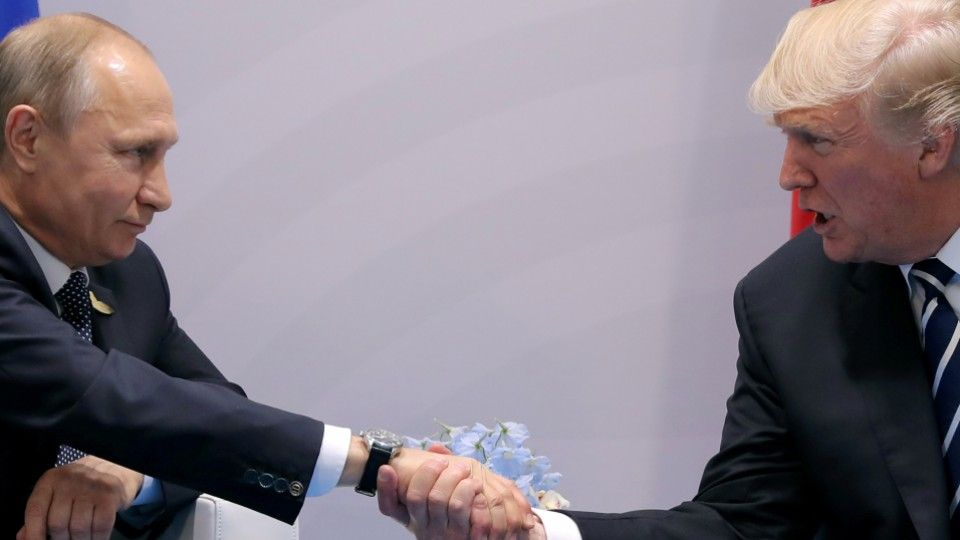
Polish President Karol Nawrocki has vetoed a bill to bring the European Union's Digital Services Act into Polish law for a second time, deepening his standoff with the government of Prime Minister Donald Tusk. Nawrocki announced the veto on Friday, 13 November, saying the bill gave state officials too much power over online speech. It was the 48th bill he has vetoed since taking office in August 2025, more than any previous Polish president.
The bill, which the Sejm passed on 22 October, would have let regulators order the blocking of online content, including criminal threats and incitement to violence, with appeals routed through the courts. Nawrocki rejected an earlier version of the bill in January, and the government narrowed the text and sent it back. Nawrocki refused to sign the revised version as well.
Why Nawrocki vetoed the bill
Nawrocki said deciding whether content is a crime is a matter for the courts, not for officials. "It is not the role of an official to rule on whether a given piece of content constitutes a crime or not. That is solely the role of independent courts," he said in a video posted on X. He accused the government of exploiting the recent knife attacks at Polish schools to push the bill through. "They exploited a tragedy, applied emotional blackmail, to push through regulations that give the government essentially arbitrary control and the ability to decide what we can and cannot say, write or publish," he said.
The Digital Services Act has applied directly across the European Union since 17 February 2024, so the veto does not remove the duties it places on online platforms. What Poland still lacks is a domestic procedure for issuing blocking orders under the Act. A first implementing law, which set up the supervisory framework and named the head of the telecoms regulator, the Office of Electronic Communications, as Poland's digital services coordinator, was signed in September and came into force on 6 November.
What happens next after Nawrocki's veto
Overriding a presidential veto needs a three fifths majority in the Sejm, which the ruling coalition does not have. The coalition would need 276 votes in the 460 seat chamber if all deputies take part. Digital Affairs Minister Krzysztof Gawkowski said the veto would leave Poland without the tools the government says it needs to respond quickly to cases such as the school attacks. In a post on X, he called the decision permission for hate and for the deaths the internet also brings.
Krzysztof Gawkowski told a press conference that he would draft another bill on the issue. Prime Minister Donald Tusk defended the vetoed bill in a post on X, writing: "Protecting children from online criminals. It is hard to imagine a more important issue that should unite people across political divides. And yet he vetoed it." The European Commission took Poland to the Court of Justice of the European Union in 2025 over its failure to designate and empower a national digital services coordinator under the Act.
The bill and the school attacks
The bill had gained urgency after a series of knife attacks at Polish schools in October, including one in which a 15-year-old wore a helmet-mounted camera and appeared to intend to film the attack. Nawrocki rejected the link between the bill and the attacks. Tusk has rejected the president's criticism, and the clash is the latest in a long series between the president and the government he opposes.
Related articles in Law & Government
View all Law & Government →Browse more stories in Law & Government.