Remibrutinib cuts MS relapses in phase 3 trials
Novartis said remibrutinib cut relapses by 35.2% and 31.2% in two phase 3 trials in relapsing multiple sclerosis, compared with teriflunomide.
by Trends DeskOctober 26, 20264 min read
Novartis reported on October 23, 2026 that remibrutinib reduced relapses in two phase 3 trials in relapsing multiple sclerosis, compared with an older oral treatment. Remibrutinib is an oral Bruton tyrosine kinase inhibitor, a drug that blocks a pathway involved in immune cell activation. The results were presented at MSToronto2026, the joint meeting of ACTRIMS and ECTRIMS in Toronto, and published at the same time in The Lancet.
In the REMODEL-1 trial, remibrutinib cut the annualized relapse rate by 35.2 percent versus teriflunomide. In REMODEL-2, the reduction was 31.2 percent. Teriflunomide is sold by Sanofi under the brand name Aubagio and is an established oral treatment for multiple sclerosis. Novartis said it plans to seek regulatory approval for remibrutinib in relapsing multiple sclerosis around the world. The drug is not yet approved for that use.
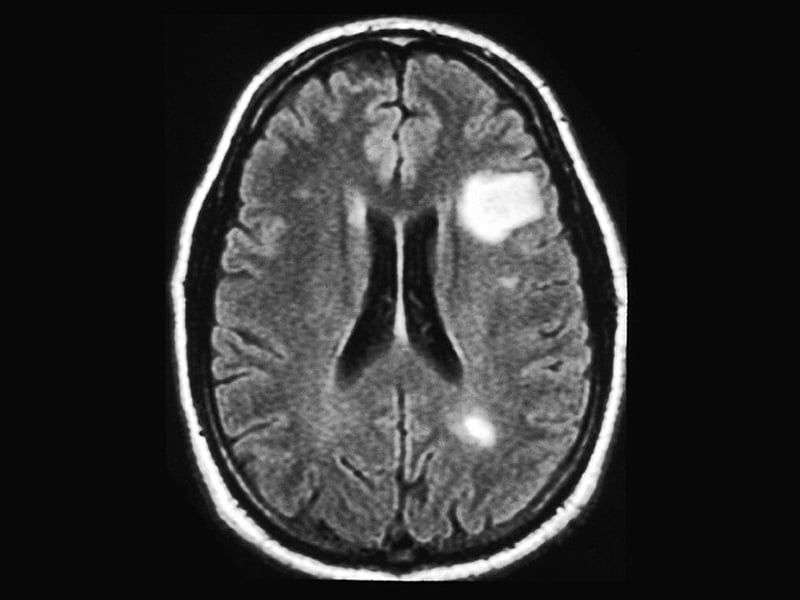
The disease is a chronic inflammatory disease of the central nervous system. It damages myelin, the coating around nerve fibers, and harms nerve fibers in the brain, optic nerves, and spinal cord. Relapsing the disease is the most common form, and it affects close to 3 million people worldwide, according to Novartis. Patients have periods of new symptoms, called relapses, followed by periods of partial or full recovery. Over time, some patients develop lasting disability.
How the remibrutinib RMS trials were run
The remibrutinib RMS trials, REMODEL-1 and REMODEL-2, were identical in design. Each was a multicenter, randomized, double blind, active controlled phase 3 study in adults with relapsing the disease. About 2,000 patients took part across both trials. They had recent disease activity and disability scores from 0.0 to 5.5 on the Expanded Disability Status Scale. Patients were assigned at random, in equal numbers, to receive remibrutinib 100 mg or teriflunomide.
In REMODEL-1, the rate was 0.073 with remibrutinib versus 0.112 with the comparator drug. In REMODEL-2, it was 0.080 versus 0.116. Novartis described those rates as equal to about one relapse every 13 years.
What remibrutinib showed on disability and scans
Beyond relapses, remibrutinib also delayed disability progression in the trials. The risk of confirmed disability progression at six months fell by 29.2 percent with the drug versus the comparator drug, a result reported with nominal significance. More than 92 percent of patients on the drug remained free from disease progression over 24 months by that measure. A consistent trend was also seen for progression confirmed at three months, with a 20.5 percent reduction.
Brain scans also favored the drug. Annual T2 lesion activity, a marker of chronic disease burden, fell sharply in both trials, by 65 percent in one measure reported by Novartis and 70 percent in the other. Gadolinium enhancing T1 lesions, a marker of active inflammation, fell by 66 percent across both trials. In a pooled analysis, 55.0 percent of patients on the drug reached no evidence of disease activity across relapses, disability progression, and scan activity, compared with 32.1 percent on the comparator drug.
Professor Heinz Wiendl, co-chair of the Novartis studies and a neurology professor at the University of Freiburg, said the the drug results showed a significant reduction in relapse activity and a meaningful effect on confirmed disability progression in people living with relapsing the disease. He said that as treatment goals move beyond relapse control alone, the efficacy findings, together with the safety profile, suggest the drug could offer a distinct treatment option for people living with relapsing the disease.
Safety of the drug in the trials
Safety was a close focus in the the drug trials because earlier drugs in the same class have been linked to liver toxicity. Novartis reported no liver safety signal with the drug, including no cases of Hy's Law, a pattern of liver injury that regulators watch closely. Patients on the drug had fewer liver enzyme elevations at every threshold reported. For example, ALT above three times the upper limit of normal occurred in 2.0 percent of the drug patients versus 7.4 percent on the comparator drug.
Overall adverse events were slightly less common with the drug, at 79.5 percent versus 81.5 percent, and serious adverse events were 6.0 percent versus 7.0 percent. Treatment stops due to adverse events were nearly 50 percent fewer with the drug, at 3.1 percent versus 5.8 percent. Two deaths occurred in the the drug group, and investigators assessed both as unrelated to study treatment. One was an accidental carbon monoxide poisoning, and one was a completed suicide, according to Novartis.