
Industrial outdoor storage draws Wall Street money
Rents for industrial outdoor storage have risen 32 percent since 2021, and Wall Street investors including Brookfield and Blackstone are buying in.
by Trends DeskNovember 19, 20263 min read
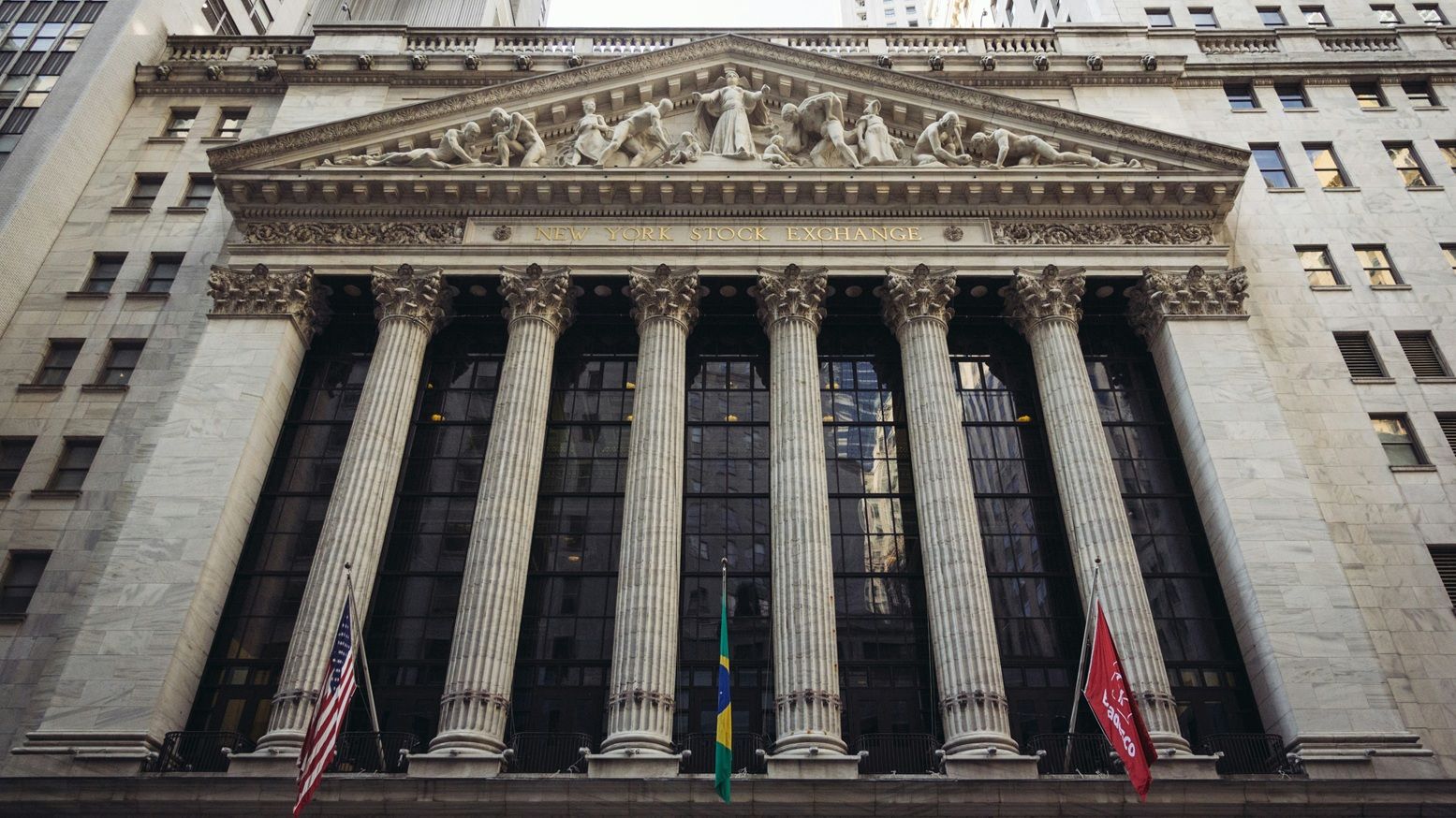
Rents for industrial outdoor storage have risen 32 percent since 2021, and Wall Street investors are buying into the yards that store the trucks, containers and building materials behind the data center boom. The yards, known in the trade as IOS, are fenced lots where contractors park equipment and stage materials near big construction sites. Most are smaller than 10 acres, and most are still owned by small local operators. That mix of rising rents and fragmented ownership has drawn Brookfield, Blackstone and J.P. Morgan Asset Management into a corner of commercial real estate that few investors watched a decade ago.
The numbers explain the interest. CBRE, the real estate services firm, puts national storage rents up 32 percent since 2021. In the eight hottest port-linked markets, which include Houston, Savannah and Norfolk, Alterra IOS puts rent growth at more than 110 percent since 2020. Average industrial outdoor storage rents run above $9,000 an acre, according to CBRE, and the average net monthly asking rent reached $9,443 in the second quarter. For every gigawatt of data center capacity built, about 100,000 truckloads of steel, concrete, generators and equipment are needed, according to the Wall Street Journal, and much of that material passes through an industrial outdoor storage yard.
Industrial outdoor storage and the data center boom
Brookfield said this year it will buy Peakstone Realty Trust, an industrial outdoor storage owner, for $1.2 billion. J.P. Morgan Asset Management has partnered with Zenith IOS to assemble about 100 properties across 33 markets. In August, a venture of Starwood Property Trust lent $672 million against a portfolio of outdoor storage properties. Catalyst Investment Partners has assembled a $1.4 billion portfolio over six years, and Blackstone's real estate lending business has provided more than $1 billion across storage deals. Single lots are too small to interest Wall Street on their own, so roll-up firms stitch together portfolios from regional owners.
The data center boom is the engine behind the demand. New yards are close to impossible to permit in most of the country, and data centers are taking over existing yards as well. In Manassas, Virginia, more than 200 acres of industrial outdoor storage land are slated for conversion to data centers, according to Catalyst co-founder Max Heiden. Heiden puts the value of U.S. outdoor storage property that could eventually trade at about $300 billion. Newmark's Chris Hope told the Journal that yard rent is a small slice of a data center developer's budget, which gives landlords room to hold their prices.
The yards themselves are simple: fenced, paved or gravel lots, often with a small office and a gate. Their value sits in the permit, not the surface. Local councils rarely approve new yards because of noise and truck traffic, and neighbours often object. That scarcity is what lets owners raise rents even when the wider industrial market cools. For the small operators who own most of the yards, a sale to a roll-up firm can be the first chance to cash out at a price set by institutional buyers.
Industrial outdoor storage rents and the road ahead
Higher interest rates have slowed industrial outdoor storage sales, as they have across commercial property, but investors still see room to buy. The risk is that rents set during a building peak do not hold once construction slows, and a yard leased to a contractor can sit empty when the project ends. For now, the permits are the asset: a yard with approval to operate is worth more than the gravel and fencing on it, because a new one is so hard to open. As long as data centers keep rising, the yards that serve them are likely to keep drawing Wall Street money.
Related articles in Real Estate
View all Real Estate →Browse more stories in Real Estate.