"Russia Sanctions Waiver Sparks GOP Backlash"
"Trump's waiver of sanctions on Russian energy drew Republican backlash and pushed oil prices lower as GOP candidates face new pressure."
by Trends DeskOctober 19, 20263 min read
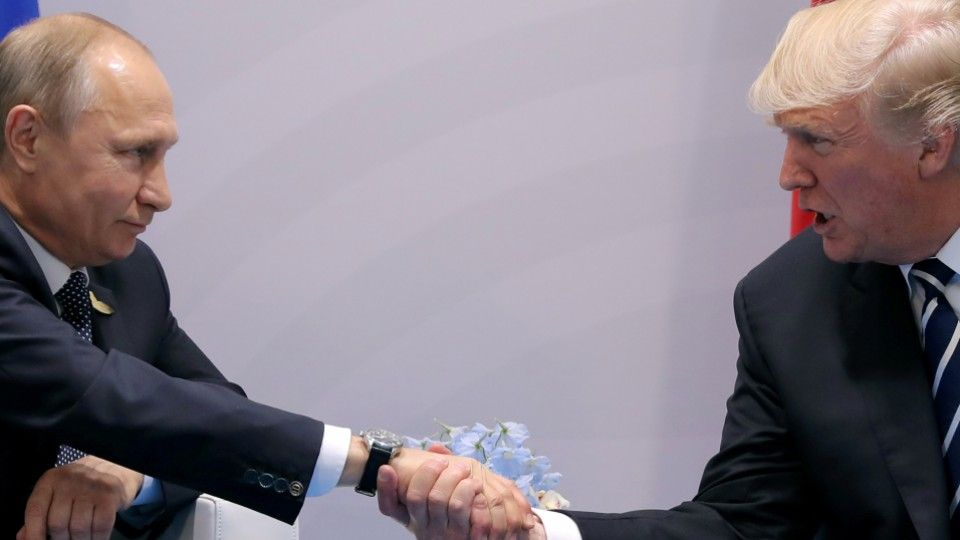
President Donald Trump's decision to waive certain new sanctions and tariffs on Russia has put Republican candidates in a difficult position, with the Russia sanctions waiver raising the prospect of additional Russian fuel supplies and pushing oil prices lower, according to Reuters.
The waiver marks a sharp turn in Washington's economic pressure campaign on Russian energy. Oil prices fell on the news that more Russian fuel could reach global markets, a signal that traders expect the administration's move to loosen supply.
The waiver covers certain new sanctions and tariffs, and administration officials have argued that allowing limited Russian fuel sales could stabilize energy markets while giving Washington leverage in talks with Moscow. Critics counter that any relaxation rewards the Kremlin without securing concessions in return.
Energy Secretary Wright defended the decision, describing the diesel arrangement as a "carrot" and a peace incentive while insisting, "It's not an economic lifeline," according to Politico and ABC News. Secretary of State Marco Rubio added that Russia would sell the fuel anyway, Axios reported.
Energy Secretary Wright has framed the arrangement as a deliberate incentive for peace rather than an economic rescue for the Kremlin. The White House argues that easing the sanctions keeps Moscow at the negotiating table, a line Trump himself has used to defend the waiver.
The administration's public messaging has been coordinated: Wright has handled the economic argument while Rubio has addressed the diplomatic one. Both men have stressed that the arrangement is meant to create negotiating room rather than to enrich Moscow, though neither has detailed what the United States expects in return.
Russia Sanctions Waiver Divides Republicans
The Wall Street Journal reported that Trump's overtures to Russian President Vladimir Putin are putting Republican candidates in a hot seat, and GOP candidates are now being forced to answer for a policy shift many in the party did not expect.
The New York Times reported that Trump defended his plans to ease the sanctions and hinted at a possible hostage deal with Moscow, framing the waiver as leverage for negotiations rather than a concession to the Kremlin.
The Journal's reporting captures a party caught between loyalty to the president and a sanctions regime many Republicans spent years building. With the November elections approaching, candidates in competitive races must now defend a Russia policy they did not choose.
When the sanctions law passed, Democratic leaders warned that its waiver provisions gave the White House too much discretion. The speed with which Trump has used that authority has revived those warnings.
Russia Sanctions Waiver Tests GOP Unity
The split was underscored when Sen. Lindsey Graham broke with the president over the waiver, opposing the relaxation of sanctions enacted through legislation he championed. Graham said he wants to speak with Trump directly about the decision.
Rubio's argument — that Moscow would sell the fuel regardless — has done little to quiet critics, who say the waiver surrenders leverage built up over years of coordinated Western pressure. For now, the administration is betting that the prospect of cheaper fuel and a diplomatic opening on Russian energy outweighs the political cost.
But with GOP candidates facing tough questions on the campaign trail and oil prices already reacting, the waiver has become one of the most contentious foreign policy moves of Trump's term. Whether the gamble pays off may depend on Moscow's next moves — and on whether Republican voters punish or reward the party's candidates for the president's pivot.
Energy markets, meanwhile, will be watching whether additional Russian fuel actually materializes. For now, the price drop reflects expectations rather than new supply — and expectations can reverse as quickly as they formed.