
Russian diesel deal offers Moscow path to rebuild US ties
A Russian diesel deal could give Moscow a chance to rebuild business ties with the US, a deputy foreign minister said, but two US-bound tankers changed course.
by Trends DeskNovember 19, 20263 min read
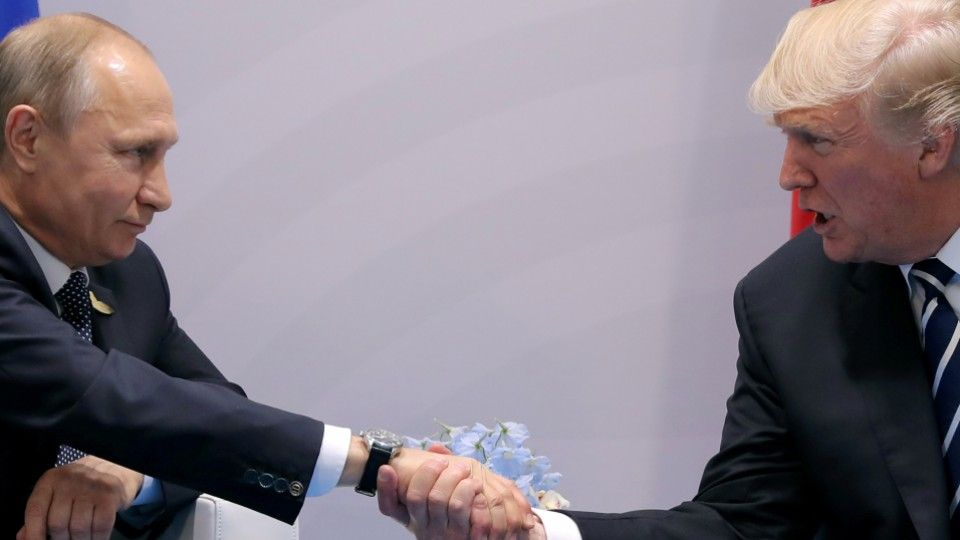
A deal that lets the United States import Russian diesel could give Moscow a chance to rebuild business ties with Washington, a Russian deputy foreign minister said on Monday. Alexander Pankin told the TASS state news agency the Russian diesel deal could "serve as a foundation for the gradual restoration of business and other ties between our countries." The deal was struck in October, when President Donald Trump was seeking to calm diesel prices ahead of the midterm elections on 3 November, which his Republican Party lost.
How the Russian diesel deal will work in practice remains unclear. Two tankers carrying Russian diesel and bound for the United States Atlantic coast changed course last week, according to shipping data from Kpler and LSEG. The United States Treasury has granted temporary permission for the sale, transport and import of Russian diesel under certain conditions, but the legal status of the 2022 ban on Russian energy imports remains a matter of debate.
The agreement marked a sharp turn in American policy. The United States had banned Russian energy imports in 2022 after the invasion of Ukraine, and Trump himself had imposed fresh sanctions on Russia before agreeing to lift some of them for the diesel shipments. The Kremlin has repeatedly said it sees potential for profitable cooperation with the United States across a range of economic areas, including energy and minerals. Dmitriev said Russia would overcome any sanctions related difficulties to ensure the fuel was delivered.
What the Russian diesel deal covers
Donald Trump announced the agreement after a phone call with Russian President Vladimir Putin in October, saying Russia would release diesel supplies to the United States and global markets. The plan called for more than 300,000 tons of diesel at first, followed by 500,000 tons in November and a further 1 million tons in later phases, a total of 1.8 million tons. No delivery to the United States has yet been confirmed under the agreement. The White House said the aim was to bring diesel prices down for American drivers.
The deal required Trump to lift some of the sanctions he had imposed on Russia, and it drew sharp criticism from Ukrainian President Volodymyr Zelenskiy and European officials. Italian Prime Minister Giorgia Meloni called it a "very risky choice" that ran counter to efforts to force Putin to sit down and negotiate a peace deal for Ukraine. New Jersey Governor Mikie Sherrill has warned port and terminal operators in the state not to accept vessels carrying Russian fuel.
Moscow sees the Russian diesel deal as a model
Kremlin envoy Kirill Dmitriev said the Russian diesel deal could serve as a model for further agreements, adding that Russia intended to keep its economic engagement with the United States going. Dmitriev said the United States Treasury had asked Russia's sovereign wealth fund to help with payments and other practical matters under the deal. He said the two countries were also discussing joint energy projects in the Arctic and liquefied natural gas.
Alexander Pankin said the Russian diesel deal could open the way for more cooperation, including projects involving data centres powered by Russian nuclear plants. The Kremlin has said it sees scope for profitable cooperation with the United States across energy and minerals, and has complained that Washington has made such deals conditional on ending the war in Ukraine. For now, though, the tankers that changed course leave the first test of the agreement unresolved.
What happens next for the Russian diesel deal
Whether any Russian diesel reaches American ports remains to be seen. The rerouted tankers, the legal questions over the 2022 ban and the warnings from state officials all point to a deal that exists on paper more than in practice. The Russian diesel deal will be judged by deliveries, not by statements, and the first deliveries have yet to arrive.
Related articles in Business & Industrial
View all Business & Industrial →Browse more stories in Business & Industrial.