
SBI IFC loan to back 8.64 lakh rural women
IFC has extended a $150 million social loan to SBI, its first credit line to a public sector bank in India, for about 8.64 lakh rural women in farm work.
by Trends DeskNovember 19, 20263 min read
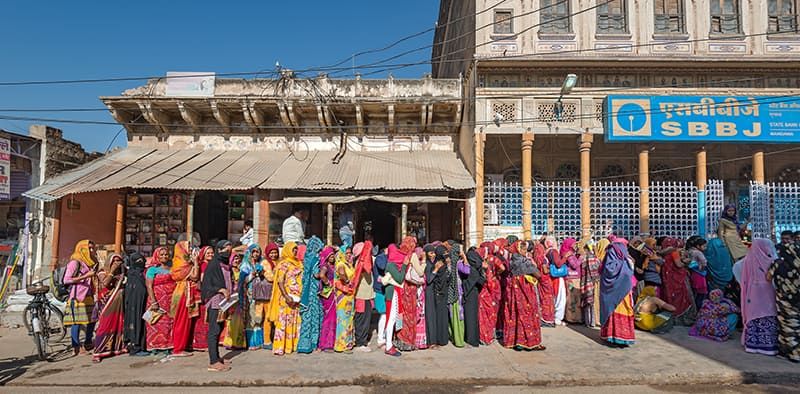
The International Finance Corporation has extended a $150 million social loan to State Bank of India, its first credit line to a public sector bank in India, in a move aimed at about 8.64 lakh rural women working in agriculture and allied activities. The SBI IFC loan will fund lending to women in farm value chains, with most of the money flowing through women-led self-help groups. The deal also includes a separate derivative partnership between the two institutions.
About 90 per cent of the financing will go to women borrowers through self-help groups. The rest will support women entrepreneurs moving from group-based borrowing to individual micro enterprise loans under the Svayam Siddha Scheme. The SBI IFC loan covers women in crop cultivation, animal husbandry, fisheries and food processing, and the bank will track the lending through the groups and the scheme.
Alongside the SBI IFC loan, IFC and SBI signed a derivative partnership under an ISDA Master Agreement, making SBI the first domestic swap counterparty for IFC in India and its first local swap counterparty in South Asia. IFC said it had funded about Rs 30,040 crore, or around $3.7 billion, through the dollar-rupee cross-currency swap market over the preceding three years. The arrangement is meant to deepen cooperation between the two in India's domestic financial markets.
SBI IFC loan reaches rural women through self-help groups
Roshika Singh, principal country officer at IFC, said the partnership was chosen because of SBI's reach in rural India and its presence in the self-help group ecosystem. In an interview published on 6 November, she said the goal was to turn group members into entrepreneurs, with lending tracked through the groups and the Svayam Siddha Scheme. The social loan aims to benefit more than 864,000 rural women across agricultural value chains.
The funding also fits the World Bank Group's AgriConnect programme, which works on farm value chains. Local currency financing has become a larger part of IFC's work in India, since rupee funding lets borrowers avoid the cost and risk of repaying in dollars. The swap deal gives IFC a domestic counterparty for that work for the first time.
What the SBI IFC loan changes for SBI
SBI is the first public sector bank to receive a credit line from IFC, and the first state-owned bank in the country to get an investment from the institution. State Bank of India was picked for its branch network in rural areas and the size of its self-help group book. The SBI IFC loan gives it long-term funding tied to a defined set of borrowers, rather than general balance sheet money.
IFC said it would track the lending closely, with the 864,000 figure as the target for women reached. The money is expected to flow over the life of the loan rather than in a single payment, and the bank will report on how much reaches group borrowers and how much goes to individual enterprise loans. The SBI IFC loan is the first test of whether that model can work at the scale of a public sector bank.
Local currency funding and the swap deal
The swap side of the deal matters to IFC as much as the loan. Under the ISDA Master Agreement, the two sides can exchange cash flows in rupees and dollars, which lets IFC fund Indian borrowers in local currency without taking on the full exchange rate risk itself. The SBI IFC loan sits beside that agreement, and the two were announced together.
For the women the money is meant to reach, the change is practical: credit through groups they already belong to, and a path to individual loans for those ready to borrow on their own. The SBI IFC loan will be judged on how many of the 864,000 women it names actually receive funds, and on whether the group model holds up as the lending grows.
Related articles in Finance
View all Finance →Browse more stories in Finance.