
From social work to an electrical apprenticeship
Ashley Baukman, a licensed social worker from Ohio, left her degree career for an electrical apprenticeship that already pays her more.
by Trends DeskNovember 19, 20264 min read
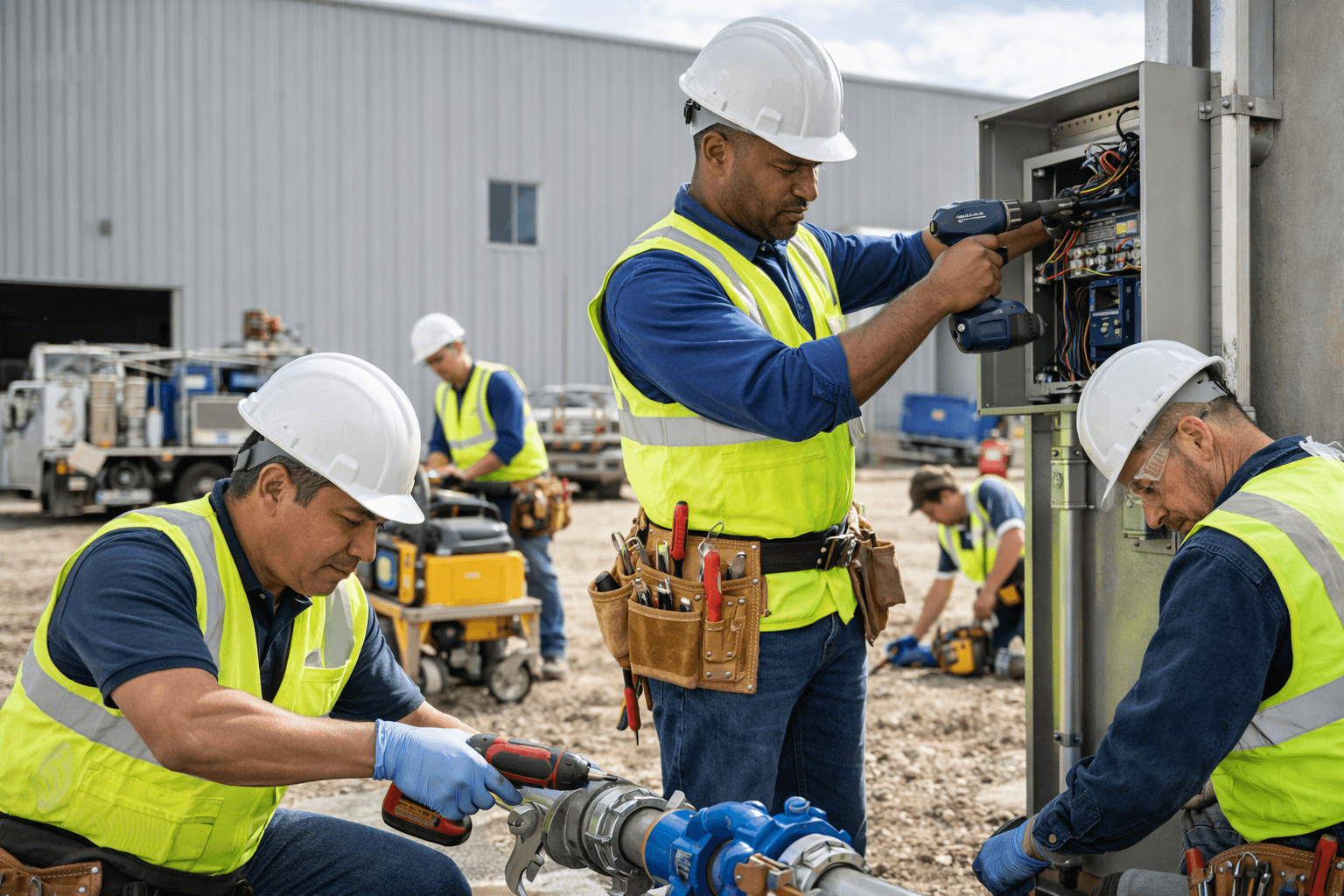
Ashley Baukman spent her working days bending steel tubing at The Electrical Trades Center of Central Ohio, a few miles south of The Ohio State University in Columbus. The 36-year-old college graduate and licensed social worker began an electrical apprenticeship in the spring, trading local government work for construction sites and a classroom one day out of every two weeks. She earns just over $25 an hour on the job, plus a stipend on class days, and already earns more than she did as a social worker. Her wage is set to nearly double in just over three years. The electrical apprenticeship is the start of a second career she hopes will last.
Baukman was the first in her family to graduate from college, a point of pride that did not deliver the security she expected. After finishing her social work degree, she worked in local government agencies with children and seniors, but never earned enough to support her blended family. Her last job was as a prevention specialist in schools. The role she wanted, school social worker, needed a master's degree. With five children at home and about $80,000 in student loans, she could not see how to make it work. "It just wasn't in the cards," she said. "So I was looking for a change."
Why the electrical apprenticeship appeals
Apprenticeships in the skilled trades are drawing people from all backgrounds as artificial intelligence raises questions about office work and the cost of a degree keeps climbing. The electrical apprenticeship mixes coursework with paid work on site, needs no prior experience, and takes people on based on contractor need. Demand for skilled tradespeople is up, and electricians are in short supply. The construction boom fed by data centers has pushed enrolment at The Electrical Trades Center from 500 apprentices in 2022 to more than 800 today. The school once ran night classes only and now holds daytime classes to fit the growth.
Trent Parker, director of the centre and an electrician himself, says college graduates are now a visible part of the intake, with several dozen enrolled holding four-year degrees and about 300 applicants having at least some college on their records. He says the share of college graduates in the skilled trades is rising as attitudes shift. "The word is out that college is not the only way to go, that there are other alternatives that can provide a living wage with benefits," he said. He adds that the electrical apprenticeship curriculum is at college level: conduit bending rests on trigonometry, and apprentices must handle decimals and fractions.
An electrical apprenticeship pays from day one
In an electrical apprenticeship, apprentices are in class one day out of every two weeks and on site the rest of the time, working under journeymen electricians. They are paid a stipend on class days in line with what they earn on site. Wages start at $23 an hour and rise as apprentices reach milestones for hours worked, topping out at $46 an hour. With overtime, many Ohio electricians earn well over $100,000 a year as journeyworkers. Contractors offer sweeteners to finish data center jobs fast, and Parker has heard of projects paying $5 or $10 above the union rate, with double time on overtime.
A second career after college
Baukman is not the only one of the college graduates on the course. Mike Hansen joined after college, ten years in the Army and some graduate school. He was on track for a doctorate in sport and performance psychology, then left after his master's degree when he saw academics working 40 hours of teaching for $40,000 a year. Michael Hughes, an English major who once hoped to write for television and film, now pulls wire and replaces panels and fuses at a police station, a paper mill and an auto plant. He says learning on the job is like learning a language by living in the country. An electrical apprenticeship suits both men, and Hansen says he wishes he had considered the trades at 17.
Whatever happens next, Hansen expects plenty of work at hospitals, schools, commercial buildings and factories. Ohio electricians have work across the state, and data centers account for about half the work in the school's area. Baukman says she can see a project through to completion and point to it. "Hey, I did that," she said. "It's been pretty fun." An electrical apprenticeship gave her that, and a wage that grows with her.
Related articles in Jobs & Education
View all Jobs & Education →Browse more stories in Jobs & Education.