SpaceX Closes $40 Billion Debt Financing for Chips
SpaceX said it closed $40 billion in debt financing for graphics processing units, with the chips due to arrive in the first half of next year.
by Trends DeskOctober 26, 20264 min read
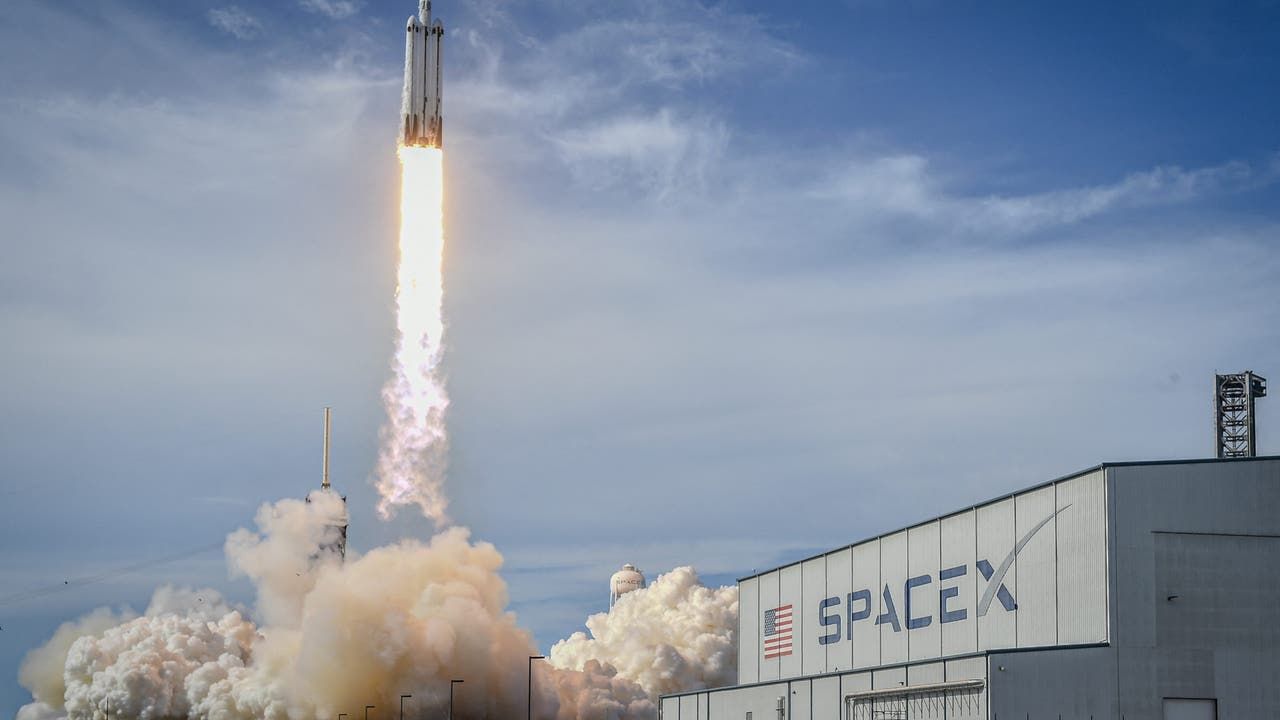
Elon Musk said on Sunday, October 25, 2026, that SpaceX had closed $40 billion in debt financing for graphics processing units. SpaceX debt financing on that scale shows how much money is now needed to build computing capacity for artificial intelligence. Elon Musk made the announcement in a post on X. He linked the successful raise to the company investment grade status and to revenue from its Starlink satellite internet business and its launch business. Reuters reported the announcement on October 25, 2026.
Musk said the debt was primarily callable debt for graphics processing unit purchases that will arrive in the first and second quarters of next year. He added that it was not a major factor in the current quarter. Reuters noted that it was not immediately clear from the post what Musk meant by the deal being closed, or whether investors had agreed to pricing for the debt. Reuters had reported earlier in October that SpaceX was in talks with banks and asset managers to raise $40 billion for the purchase of Nvidia chips. The new announcement did not settle every detail of that process in public.
What the SpaceX debt financing will pay for
Graphics processing units are the chips used to train and run large artificial intelligence models. Companies need large numbers of them to build data centers and to offer computing services to customers. The chips are costly, and the power and cooling systems around them add further cost. For the fourth quarter of 2026, SpaceX expects capital spending of $35 billion to $40 billion, according to chief financial officer Bret Johnsen. That figure covers the wider buildout, not only the chip purchases tied to the new debt.
SpaceX has two revenue sources that Elon Musk pointed to in his post. Starlink sells satellite internet service to homes, businesses and other users. The launch business flies rockets for customers and for SpaceX own satellite deployments. Musk said those revenues, along with the company investment grade rating, helped the debt raise succeed.
Why SpaceX debt financing draws attention in AI computing
The SpaceX debt financing highlights the size of spending in the artificial intelligence race. Technology companies are competing to secure advanced processors and to build the computing infrastructure needed for AI development. That race in AI computing has pushed capital spending higher across the sector.
Elon Musk said debt markets have almost entirely shut off access to money for any company that does not have substantial revenue independent of AI data centers. That claim points to a split in the market. Firms with their own revenue, such as SpaceX with Starlink and launches, can still raise debt. Firms that depend only on renting out AI computing capacity may find lenders less willing to lend. Investors have started betting against some United States neocloud and data center companies, after fears that their debt funded AI buildout was becoming hard to sustain sparked a selloff in those shares.
What Musk said about neocloud firms and SpaceX debt financing
Neoclouds are a newer type of cloud provider. Unlike larger cloud firms that serve many industries, neoclouds such as Nebius and CoreWeave mostly focus on technology customers and offer capacity tailored for AI work. Elon Musk predicted in the SpaceX debt financing debate that neocloud companies would face significant consolidation and failures. He later said SpaceX will not buy any neoclouds, calling such a purchase pointless in his post. The comments came as part of his wider argument that only firms with revenue outside AI data centers can keep borrowing on favorable terms.
For SpaceX, the next test for the SpaceX debt financing will be delivery and use of the Nvidia chips. The graphics processing units are due in the first half of next year, according to Musk. SpaceX will need power, buildings and cooling to use them. SpaceX debt financing will also need customers or internal projects that can use the capacity once it is ready. The SpaceX debt financing adds to the company obligations, even if it is callable and tied to specific purchases. How the Nvidia chips are used, and what revenue they support, will decide whether the SpaceX debt financing pays for itself in the years ahead.