St. Paul Portland lawsuit: DOJ sues over agent rules
St. Paul Portland lawsuit: the Justice Department sued St. Paul and Portland over city ordinances regulating federal law enforcement.
by Trends DeskOctober 18, 20264 min read
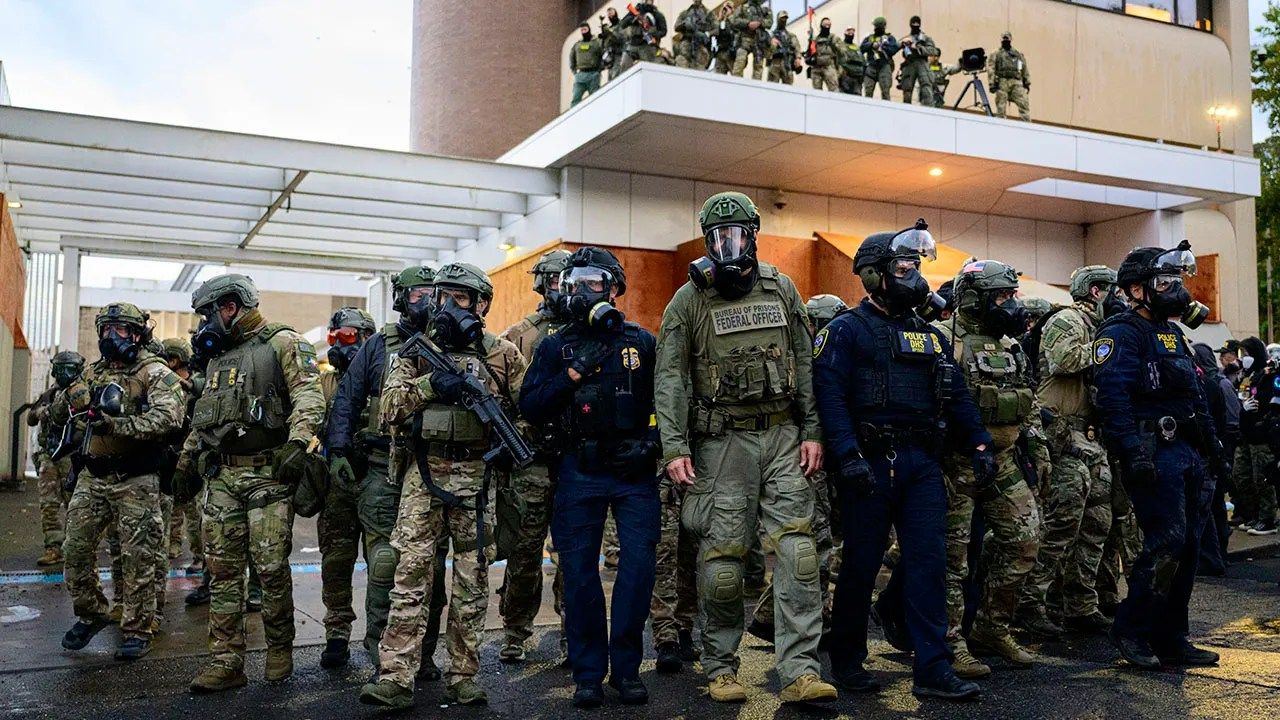
The Justice Department has sued the cities of St. Paul and Portland over local ordinances regulating federal law enforcement, escalating a confrontation between Washington and two cities at the center of disputes over immigration enforcement tactics. The federal lawsuits, reported by Courthouse News, argue that the city measures unlawfully interfere with federal agents carrying out their duties. The St. Paul Portland lawsuit sets up a high-stakes test of how far cities can go in policing the police, when the officers in question answer to Washington.
The ordinances at issue were adopted as local officials responded to complaints about federal enforcement operations in their cities. Both St. Paul and Portland have seen controversial federal actions in recent years, and city councils moved to impose local rules on federal agents regulation, including restrictions touching on coordination, tactics and information sharing. Federal officials contend those rules cross a constitutional line, which is why the DOJ sues cities that attempt to constrain its operations.
The Justice Department's position rests on the Supremacy Clause: when federal and local law conflict, federal law prevails, and cities cannot regulate the federal government's own operations. The St. Paul Portland lawsuit asks federal courts to declare the ordinances invalid and bar their enforcement, a remedy that would reaffirm Washington's authority over its agents nationwide. Supremacy Clause cities disputes like this one have recurred throughout American history.
St. Paul Portland lawsuit tests limits of city power
The legal questions in the St. Paul Portland lawsuit are sharper than the politics. Cities possess broad authority to regulate conduct within their borders, but courts have repeatedly held that this power stops where it obstructs federal functions. The Justice Department will argue the ordinances do exactly that, effectively giving city councils veto power over federal law enforcement decisions in an ongoing immigration enforcement dispute.
The cities are expected to counter that their measures address local concerns, public safety and the use of city resources, rather than dictating federal policy. They may argue the ordinances fill a gap left by inadequate federal accountability. How courts characterize the measures, as obstruction or as legitimate local regulation of federal agents regulation, will likely decide the cases.
Precedent offers ammunition to both sides. Courts have struck down state and local measures that directly impeded federal immigration enforcement, while upholding sanctuary-style policies framed as limits on local cooperation. The St. Paul Portland lawsuit will be measured against that line, and small differences in drafting could prove decisive.
What's at stake in the St. Paul Portland lawsuit
Beyond the two cities, the St. Paul Portland lawsuit carries national implications. A sweeping federal victory could chill other municipalities considering similar measures, reinforcing the message that the DOJ sues cities whenever local rules threaten federal operations. A city victory, or even a narrow ruling, could embolden municipalities to test the boundaries further, particularly where an immigration enforcement dispute divides local and federal priorities.
The cases also land in a charged political environment. Federal enforcement operations in American cities have been among the most polarizing issues of recent years, and the lawsuits will be read as the latest chapter in a long struggle over who controls the streets. Legal analysts expect the litigation to move quickly given the constitutional stakes, though appeals could extend the fight for years.
Next steps as the federal lawsuits proceed
In the near term, the Justice Department is likely to seek preliminary injunctions blocking enforcement of the ordinances while the cases proceed, arguing that ongoing interference with federal operations causes irreparable harm. The cities will oppose, pointing to their interest in governing local public safety. Those early rulings will offer the first read on how judges view the merits of the St. Paul Portland lawsuit.
Whatever the outcome, the St. Paul Portland lawsuit will help define the boundary between federal authority and local self-government in an era of deep distrust, the latest chapter in a long line of Supremacy Clause cities confrontations. Cities want a say in how enforcement happens on their streets; Washington insists that say cannot extend to regulating federal agents. The courts must now draw the line.