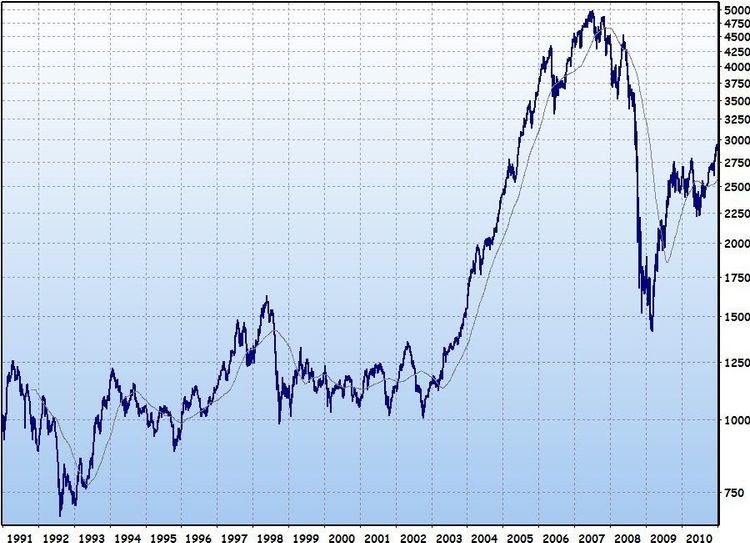
Stock market plunge follows Democrat midterm sweep
US stocks fell sharply on 5 November, with the Dow down about 1,730 points and the Nasdaq 5.2% lower, as investors weighed AI regulation after the midterms.
by Trends DeskNovember 19, 20263 min read
US stocks fell sharply on Thursday, 5 November, as a selloff in technology shares wiped out the gains made the day after the midterm elections. The stock market plunge took the Dow Jones Industrial Average down about 1,730 points, or 2.25 percent, while the Nasdaq fell 5.2 percent and the S&P 500 dropped about 4 percent. The Nasdaq entered correction territory during the session, after falling at least 10 percent from its record closing high on 6 October. Chip stocks were among the hardest hit, as investors weighed what sweeping Democratic victories in the midterms could mean for AI regulation and for data centre development.
What drove the stock market plunge
The selloff came one day after stocks rallied following the midterm elections, and it reversed that move in a single session. "The obvious catalyst for the sharp selloff is that markets are pricing in the midterm results, after yesterday saw markets rise across the board as the political risk premium unwound," Jakub Rochlitz, a market analyst at eToro, said. "The market's interpretation is that the AI infrastructure buildout will become slower and more expensive, which is rewriting growth expectations across the whole supply chain," he added. Rochlitz said rising electricity prices helped turn the rapid construction of power-hungry data centres into a political issue during the midterm campaign, with some Democrats calling for restrictions or pauses on new projects. The stock market plunge showed how quickly that political risk repriced technology shares.
AI shares led the stock market plunge
Nvidia sank about 8 percent, while the Philadelphia Semiconductor Index plunged more than 9 percent. Meta Platforms fell more than 4 percent, and Amazon and Google parent Alphabet also declined. Data centre operators IREN, Applied Digital, CoreWeave and Nebius Group each fell more than 12 percent. Tesla shares plunged about 12 percent, while SpaceX dropped roughly 8 percent. Companies tied to supplying power and equipment to the AI boom were also caught in the rout, including GE Vernova and Constellation Energy. The stock market plunge spread beyond chipmakers, and the Nasdaq correction left the index at least 10 percent below its 6 October record close.
Analysts split on the scale of the fall
"This feels like the capitulation phase for the data center capex beneficiary stocks, especially the semiconductors," Jed Ellerbroek, a portfolio manager at Argent Capital Management, told Reuters. "But I think the magnitude of the moves is outsized." His comment captured the split on Wall Street over whether the fall was a reset for overvalued AI shares or an overreaction to an election result. Investors had already questioned the borrowing and spending behind the AI boom, and the prospect of tighter AI regulation added to that doubt. The Nasdaq correction also raised questions about valuations across the supply chain, from chipmakers to the utilities and equipment makers feeding data centre growth. Whether the stock market plunge proves lasting will depend on what Democrats say next about data centres and AI regulation.
What comes next after the stock market plunge
The next test comes when the new Congress sets out its plans for technology and energy, and when companies report how data centre demand is holding up. The stock market plunge followed a rally the day before, which shows how fast sentiment has swung around the election result. Traders will watch whether Democrats move first on data centre rules or on taxes and spending, and whether chipmakers can defend their order books as customers review AI budgets. In afternoon trading the Dow was down about 1,730 points, the Nasdaq had fallen 5.2 percent and the S&P 500 was about 4 percent lower. Those figures set the starting point for the next session, after a week in which politics moved markets more than earnings.