Student Loan Debt No Longer 'Good Debt,' Borrowers Say
Student loan debt topped $1.7 trillion as soaring tuition, tougher repayment rules and weaker job market force borrowers to rethink the 'good debt' label.
by Trends DeskOctober 17, 20263 min read
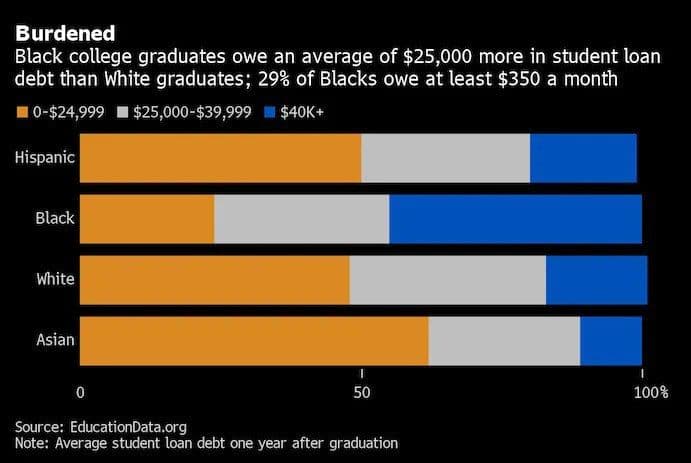
A growing share of Americans is questioning a long-standing piece of financial advice: that student loan debt is "good debt." Rising tuition, sweeping changes to the federal lending system and a weakening job market have left many borrowers wondering whether their degrees were worth the price, according to a new CNBC report. More than 42 million Americans now carry federal education debt, with the outstanding balance topping $1.7 trillion, up from about $516 billion and 28 million borrowers 20 years ago. The average student loan balance across all borrowers stands at $40,768, and the number of borrowers owing more than $100,000 has climbed to 3.8 million from 2.4 million over the past decade. College costs have climbed far faster than wages. The average annual price of tuition and fees at a private four-year college rose to $45,000 in the 2025-26 academic year, up from $14,550 in 1971-72 after adjusting for inflation. Including room and board, the total average annual cost now stands at $60,920, a figure that has pushed families deeper into student loan debt than ever before. ## Student Loan Debt Swells Past $1.7 Trillion Heavier balances take longer to repay, and the effects compound over decades. Nearly 10 million borrowers over age 50 are still carrying education loans, up from about 7 million in 2017, federal data show. Among the most indebted borrowers, the average balance reached roughly $187,000 this year, according to higher education expert Mark Kantrowitz. With student loan debt levels rising, Kantrowitz said, the longer people carry education loans the harder it becomes to reach milestones like homeownership or retirement savings. Good debt is usually defined as an investment that grows in value or helps a borrower earn money, he noted, adding that too much of a good thing can hurt. ## How Student Loan Debt Repayment Changed Federal policy shifts have made repayment tougher. The Trump administration's budget bill eliminated several repayment plans and removed options such as unemployment and economic hardship deferments. The Education Department also recalculated progress under Public Service Loan Forgiveness, a move that cost some borrowers qualifying payments. One borrower said the change added two more years to his timeline. The law also introduced the Repayment Assistance Plan, or RAP, which stretches payments over a 30-year term that mirrors a traditional home mortgage, longer than the 20- or 25-year repayment plans it replaced. For borrowers already struggling, the prospect of decades more payments has deepened doubts about college affordability. "Student loans that constrain wealth-building for 20 or 25 years cannot be called 'good debt,'" said Nadine Chabrier, a senior policy counsel at the Center for Responsible Lending, who studies how long-term balances delay other financial milestones for student loan borrowers carrying heavy student loan debt. ## The Job Market Squeeze A weaker labor market has compounded the problem. Job openings for entry-level roles fell 35% between 2023 and 2025, largely because of artificial intelligence, according to Revelio Labs. The unemployment rate among recent college graduates rose to 5.7% in June 2026 from 4.9% a year earlier, a New York Federal Reserve analysis found. For graduates entering a cooling market with heavy balances, the math is unforgiving: smaller paychecks against fixed monthly payments. Financial counselors say the combination of high student loan debt and uncertain employment is pushing more young workers to delay marriage, children and home purchases, and to question whether college affordability is achievable at all. Not every borrower regrets the investment. Degrees in high-demand fields still command a wage premium, and many student loan borrowers report that, even with heavy student loan debt, their education opened doors that would otherwise have stayed shut. But even defenders of the system acknowledge that the margin for error has shrunk as prices rise. Experts say prospective students should treat college like any other major purchase: compare total costs, graduation rates and likely earnings before signing. With student loan debt now rivaling a mortgage in size for millions of households, the "good debt" label deserves scrutiny, not blind faith.