
Colorado preschool case heads to Supreme Court
The Supreme Court hears arguments in St. Mary Catholic Parish v. Roy, testing whether Colorado can require preschools to follow nondiscrimination rules.
by Trends DeskNovember 19, 20264 min read
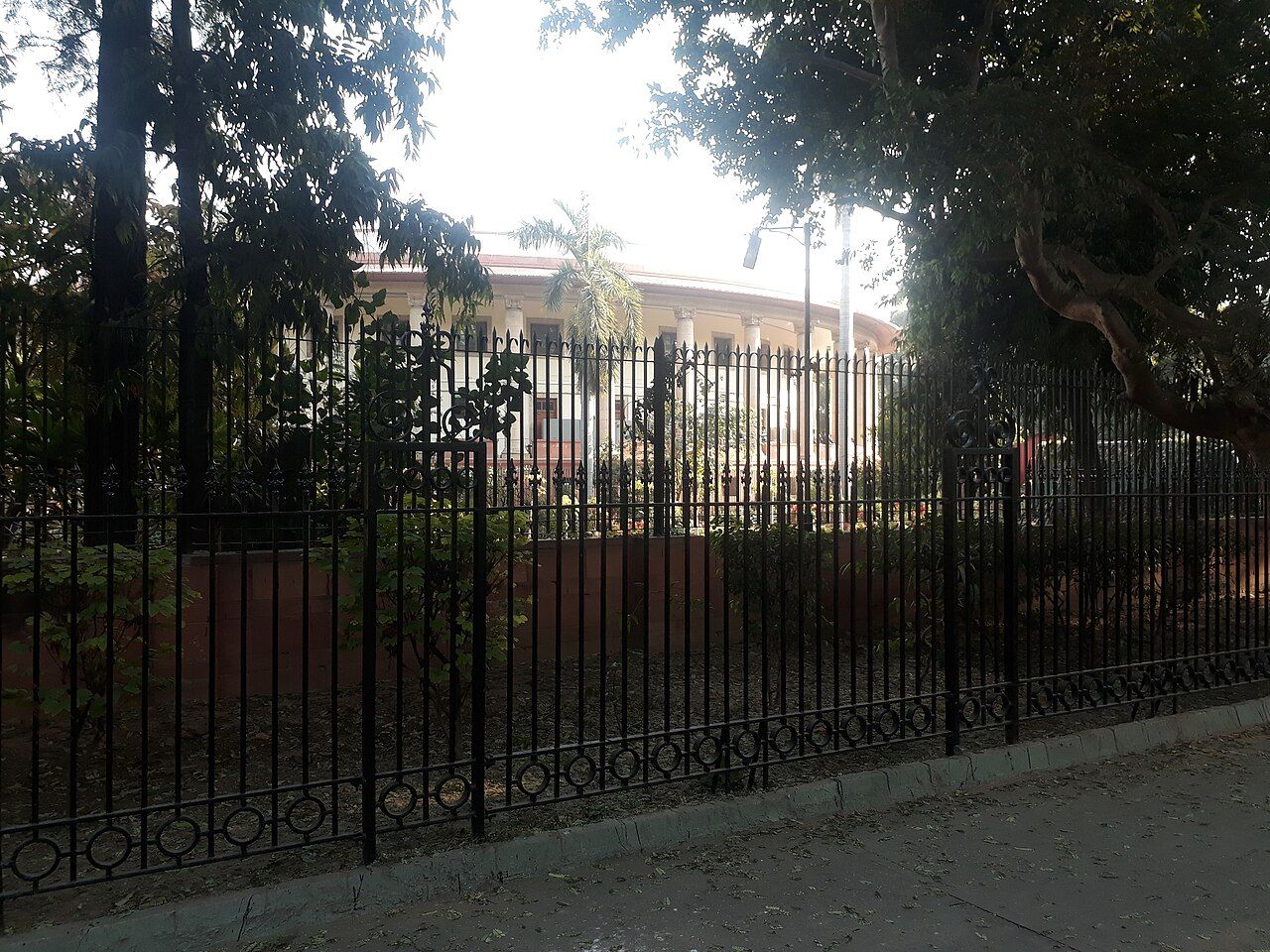
The Colorado preschool case will come before the U.S. Supreme Court on November 3, 2026, when the justices hear oral arguments in St. Mary Catholic Parish v. Roy. The Colorado preschool case asks whether religious preschools that take part in a funded program can refuse families while still receiving public money. Colorado launched its Universal Preschool Program in 2023, giving every 4-year-old in the state access to free, funded education. The program allows public and private providers, including faith-based preschools, to take part, provided they abide by the program rules. Those rules include a requirement that participating schools do not discriminate against students or families based on sexual orientation or gender identity. Catholic preschool providers and the parents of a preschool-age child challenged that requirement, arguing that signing the agreement would burden their faith. The Colorado preschool case therefore turns on how far a state can go in setting conditions on money it distributes to private schools, and it is the latest religious freedom dispute to reach the justices.
Colorado preschool case: the arguments on both sides
The Catholic preschools argue that their religious beliefs teach that marriage is strictly between a man and a woman, and that complying with the state antidiscrimination rules would force them to compromise those beliefs. Representatives for the Denver Archdiocese and two parishes sought an exemption from the state's antidiscrimination provisions. The Becket Fund for Religious Liberty, representing the archdiocese, contended that while enrollment is not limited to Catholics, participants must agree to support Catholic teachings and refrain from publicly contradicting them. The archdiocese reported a 20 percent decline in Catholic school enrollment across the diocese and cited the closure of two preschools, including one serving minority and low-income families. Colorado argues in the Colorado preschool case that religious schools are welcome to participate in universal preschool, provided they follow the same nondiscrimination rules that apply to other participating preschools. State legislators emphasized that religious organizations, including at least 35 Christian schools, one Muslim school, and three Jewish schools, initially supported the initiative. The Colorado preschool case will test whether that funding condition is a neutral rule for everyone receiving public funds, or an unconstitutional burden on religious exercise.
Colorado preschool case: lower courts and earlier rulings
The lower courts largely sided with Colorado in the Colorado preschool case. A federal district court upheld the state program's protections in 2024, and the Denver-based 10th U.S. Circuit Court of Appeals affirmed that ruling last year. The 10th Circuit distinguished Colorado's program from earlier Supreme Court rulings on religious schools and public funding. In Trinity Lutheran v. Comer, Espinoza v. Montana and Carson v. Makin, the Court ruled that states cannot flatly disqualify religious schools from public grants or tuition assistance programs simply because of their religious character or religious instruction. The 10th Circuit held that Colorado does not bar religious schools from participating. Faith-based providers are welcome to apply for funding if they follow the same rules that apply to other participating preschools. The Colorado preschool case argument also relies on Fulton v. City of Philadelphia, decided in 2021, which held that neutral rules lose their neutrality if the government creates exceptions based on secular interest while denying them for religious reasons. Colorado's program allows some exemptions, for example preschools in churches may give admissions preference to members of their congregation. The Catholic preschools argue that if the state can make those kinds of exceptions, it is discriminatory to refuse an exemption based on religious beliefs. The other line of authority runs back to Employment Division v. Smith, decided in 1990, under which neutral laws that apply to everyone do not violate the free exercise clause just because they conflict with someone's religious beliefs. Under that view, Colorado's nondiscrimination rules are constitutional because they apply to secular and religious preschools alike. The St. Mary Catholic Parish case also sits beside an older ruling, Bob Jones University v. U.S., decided in 1983, in which the Court rejected by 8-1 a claim by two fundamentalist Christian schools that losing tax-exempt status over racially discriminatory admissions policies violated their faith. A decision in the Colorado preschool case is expected by late spring 2027, after a religious freedom argument that has run through several earlier rulings, and the ruling will shape how states design publicly funded programs that rely on private religious providers, from universal pre-K and foster care agencies to homeless shelters. The answer will affect how states can attach nondiscrimination rules to public money.
Related articles in Law & Government
View all Law & Government →Browse more stories in Law & Government.