Supreme Court allows Social Security data for SAVE database
The Supreme Court allowed Social Security data to be used in the SAVE database, but limited close-to-election checks to one-by-one verification.
by Trends DeskOctober 26, 20264 min read
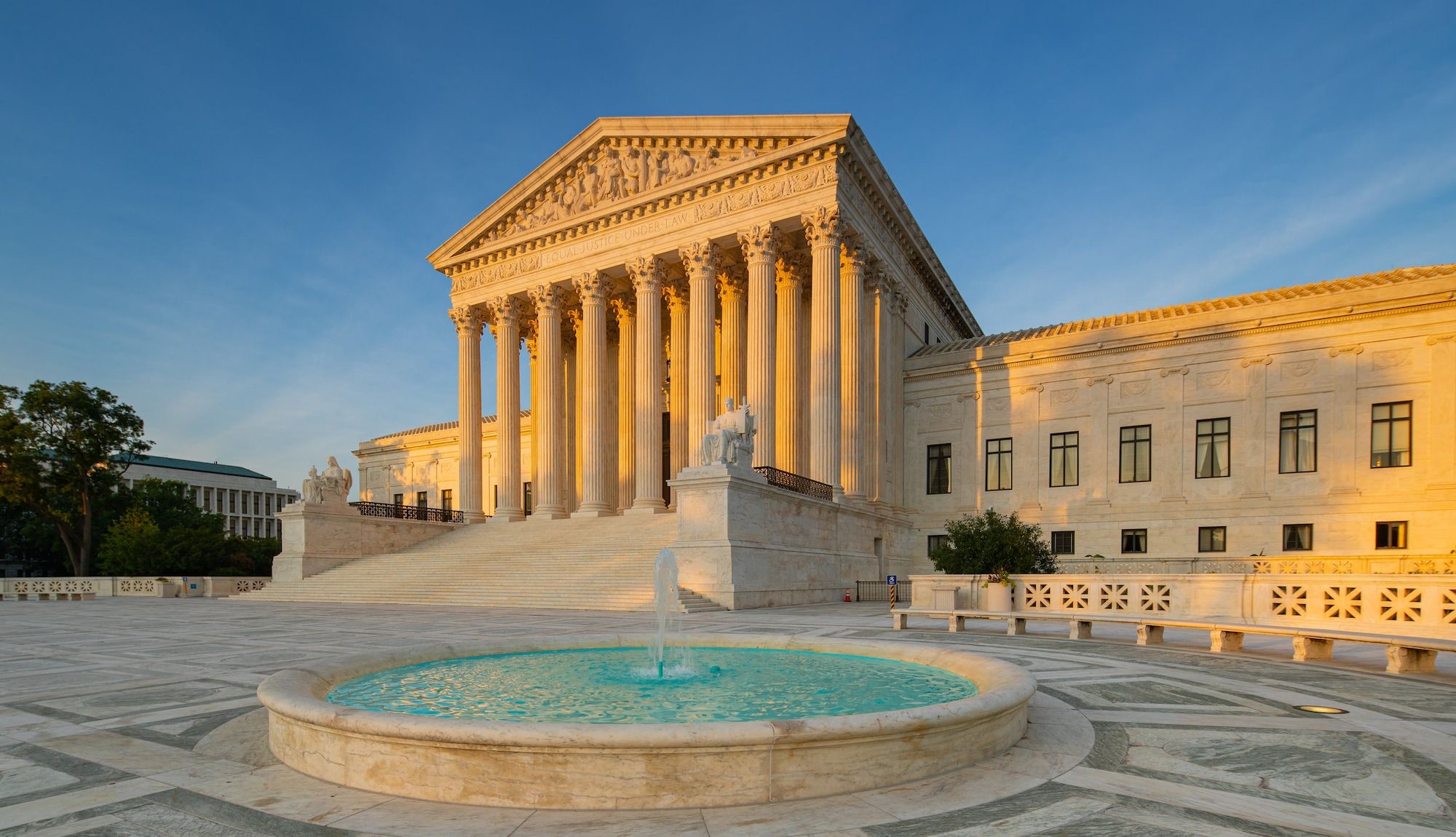
The Supreme Court has allowed Social Security data to be used in the SAVE database to verify voter eligibility, but it limited how that data can be used close to an election, according to a report published on October 26, 2026. The majority decision, issued on September 25, permits states to use Social Security information through the Systematic Alien Verification for Entitlements system, known as SAVE, while a full appeal proceeds before the United States Court of Appeals for the District of Columbia Circuit. Rather than permitting large batch checks close to the election, the majority authorized only one by one verification until that appeal is heard. The case was sent back to the DC Circuit, which will consider the full challenge to the use of the data for voting purposes.
Congress authorized the SAVE database to verify citizenship for entitlement programs. The Trump administration expanded its use, without congressional approval for that new purpose, to verify citizenship for voting. States, pro voter groups and individual voters challenged the expansion, arguing that it violated the Social Security Act, the Privacy Act of 1974 and the Administrative Procedure Act. They also argued that the SAVE system is inaccurate and that its use for voting could block eligible voters from casting ballots. The majority disagreed with the request to block the use of the data entirely, but it drew a line on the method of checking, holding back batch verification close to the election because of the risk that large numbers of voters could be affected in a short period.
How the Supreme Court limited SAVE database checks
The limit on batch checks is the central practical point of the decision. Verifying voters one by one slows the process and reduces the chance that a single faulty batch could affect many people at once, while still allowing states to check individual cases through the system. The majority did not decide the full merits of the challenge, and the DC Circuit appeal will test whether the administration lawfully expanded a system built for entitlement checks into a voting tool. Until that appeal is decided, the one by one rule is the interim position, and states cannot run the large batch checks close to the election that the challengers warned could disenfranchise tens of thousands of voters.
Justice Ketanji Brown Jackson dissented, joined by Justices Sonia Sotomayor and Elena Kagan. In her dissent, Jackson argued that use of the data was clearly a violation and that its use for voting purposes should have been blocked. The dissent took the position that the legal bars cited by the challengers, including the Social Security Act and the Privacy Act, should have prevented the expansion outright, rather than allowing a narrowed form of it to continue during the appeal. The majority and the dissent disagreed on the outcome and on the balance of harm. The majority treated a limited, case by case use as acceptable for now, while the dissent treated any use for voting as unlawful.
What the SAVE database ruling means for voter eligibility
The ruling matters for voter eligibility because it touches two different systems at once: Social Security records, which hold sensitive personal data, and state voter rolls, which determine who can vote. Pro voter and civil rights groups objected to the use of Social Security data on the ground that the SAVE system was not built to decide voting status and that errors in the system could fall on eligible voters. The administration position, as reflected in the majority outcome, is that states may use the data to verify citizenship, at least on an individual basis, while the courts resolve the wider question. The decision does not settle whether the expansion was lawful in full, and it does not order states to use the SAVE database.
For voters, the immediate effect is narrow: no voter is removed by the decision itself, and the one by one limit means a state cannot use a batch check to question large groups of voters close to the election. For the courts, the case returns to the DC Circuit with the core questions intact, including whether Congress authorized this use, whether the Privacy Act and the Social Security Act bar it and whether the Administrative Procedure Act was followed. The Supreme Court majority allowed Social Security data in the system for now, but the final ruling on voter eligibility checks through that system has yet to be made.