Switchblade ban is unconstitutional, appeals court rules
The 5th Circuit ruled late Oct. 21 that the 1958 Federal Switchblade Act's ban on making switchblades for interstate sale violates the Second Amendment.
by Trends DeskOctober 23, 20263 min read
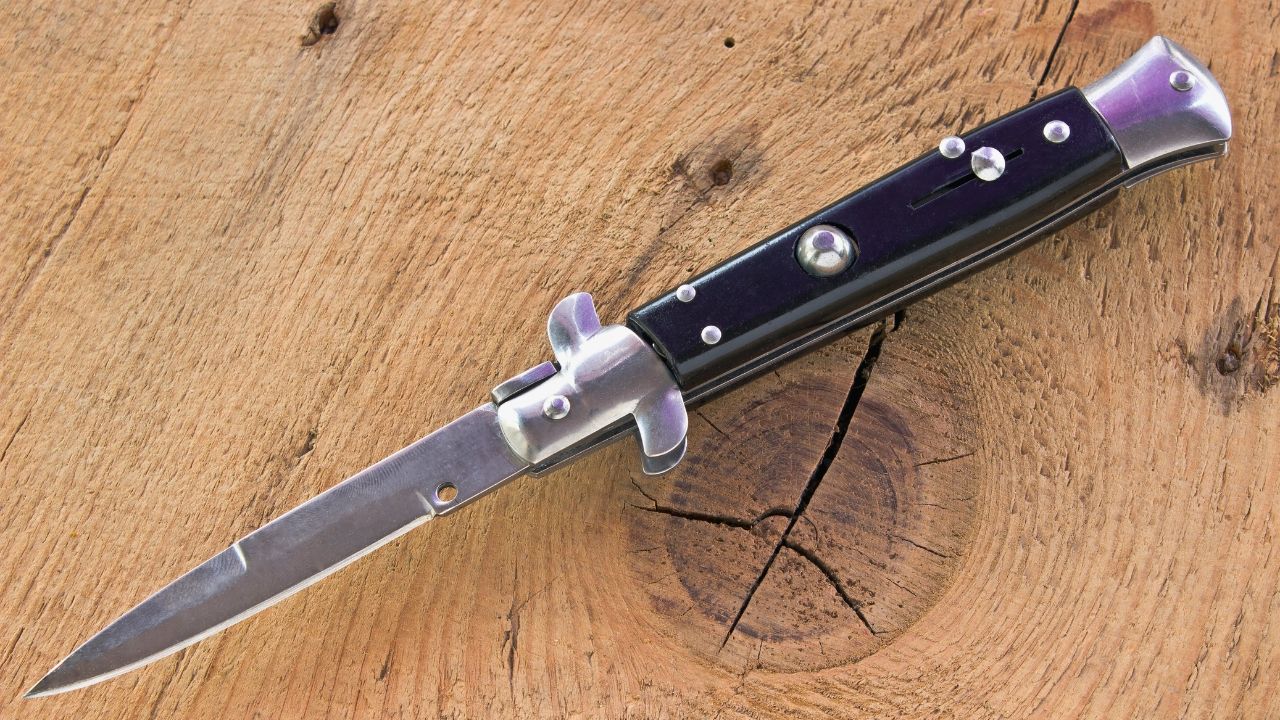
The 5th U.S. Circuit Court of Appeals ruled late on Oct. 21 that the federal switchblade ban on manufacturing the knives for sale across state lines violates the Second Amendment. The New Orleans-based court held that the 1958 Federal Switchblade Act's core provision cannot stand under the Supreme Court's 2022 decision requiring modern arms restrictions to match the nation's history and tradition of regulation. The ruling was a victory for the advocacy group Knife Rights, which brought the challenge with five individuals and two firearms retailers in Texas.
Circuit Judge Jennifer Walker Elrod wrote the decision. She said Congress adopted the law in 1958 during a period of "hysteria" surrounding juvenile delinquency, with the goal of keeping spring-release pocketknives out of the reach of teenagers. Elrod said the ban was inconsistent with how the nation regulated such weapons at its founding in the 18th century. "Knives have been used for defense throughout human history, including the American founding," Elrod wrote.
Elrod said switchblades were no exception, and that the ban had no historical counterpart. She said the Justice Department, defending the law, had failed to point to any statute from the founding era similar to the federal ban on the knives. Switchblades, she said, are "arms" that people have a right under the Second Amendment to possess for self-defense. The three judges on the panel were all appointed by Republican presidents.
Why the switchblade ban failed constitutional review
The court applied the test from the landmark 2022 Supreme Court decision, which requires gun restrictions to be consistent with the nation's history and tradition of arms regulation. The 5th Circuit said that standard also covers bladed weapons under the Federal Switchblade Act. The Justice Department had argued the law "fits within the tradition of regulating dangerous and unusual weapons," but the court found no founding-era law resembling the 1958 ban.
Knife Rights said the ruling recognized what it has argued for years. "The Second Amendment protects knives, not just firearms, and that protection extends to commonly possessed automatically opening knives," the group said in a statement. The case reached the appeals court after a trial judge in Texas rejected the group's legal challenge to the law.
What the switchblade ban ruling leaves standing
While the 5th Circuit struck down the core of the federal switchblade ban, it left another part of the law alone. The court concluded the plaintiffs could not challenge a separate provision that restricts the manufacturing, sale and possession of the knives in U.S. territories and on tribal land. That provision remains in force.
The Justice Department did not immediately respond to a request for comment on Oct. 22. Under President Donald Trump, the department has challenged numerous gun laws it says violate the Constitution, but it defended the switchblade ban here.
Reaction to the switchblade ban decision
Supporters of the ruling said the switchblade ban decision confirms that the right to keep and bear arms reaches beyond firearms. The original 1958 law aimed to keep spring-release pocketknives from teenagers amid fears about juvenile delinquency. Knife Rights brought its challenge in Texas, where a trial judge had rejected it before the appeal.
For now, the federal switchblade ban on manufacturing the knives for interstate sale is unenforceable in the 5th Circuit, while the law's limits in U.S. territories and on tribal land stand. The opinion by Judge Jennifer Walker Elrod applies the Supreme Court's history and tradition test to a weapon beyond firearms.