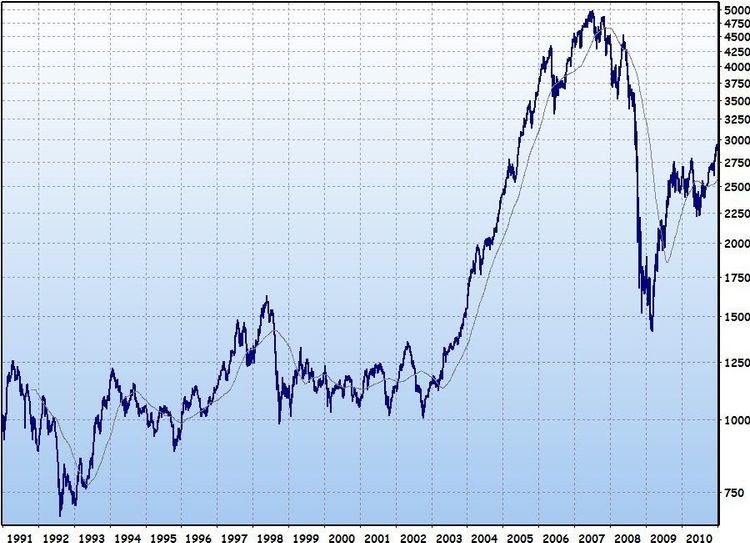
Tech sell-off echoes 2000, 2008 and 2020 crashes
Technology stocks fell sharply on Thursday, with the largest technology ETF down 8 percent. Past falls of this size mostly led to new highs, except in 2000.
by Trends DeskNovember 19, 20264 min read

Technology stocks suffered a tech sell-off on Thursday that ranked with the worst single days of the past three decades, as the largest technology exchange-traded fund fell 8 percent in one session. The drop was the worst for the sector since the pandemic crash. The Nasdaq 100 sank 6.4 percent and companies in the Nasdaq Composite lost $2.3 trillion in market value in a day, according to Bloomberg. The S&P 500 fell 4.4 percent, its largest drop since April 2025, while a gauge of semiconductor stocks fell 12 percent.
Yahoo Finance, in its Chart of the Day column, compared the tech sell-off with the sharp falls of 2000, 2008 and 2020. Since 1989, the sector has had six earlier drops of at least 6 percent while close to a record high. Five of those episodes ended with the sector reaching a new high within two to seven months. The sixth came in April 2000. Technology shares then fell a further 78 percent and did not return to their record until 2017.
The comparison with 2000 has limits, and the figures behind the tech sell-off show why. Before the peak that year, technology prices doubled while forward earnings estimates rose 23 percent. Before the record set in October 2026, prices rose 32 percent while estimates jumped 73 percent. Valuations are also lower now, at about 24 times forward earnings against 62 times at the 2000 peak. Richard Bernstein of Janus Henderson told Yahoo Finance: "The risk to momentum investing is that nobody can ever predict when it turns."
What the tech sell-off looked like on Thursday
Nvidia fell 8.5 percent on Thursday, erasing about $408 billion in market value. Micron and AMD each fell nearly 16 percent, while Tesla fell about 11 percent. The Nasdaq Composite fell 5.5 percent, its worst day since April 2025, and closed 11.9 percent below its record of 6 October. The selling followed doubts about the pace of spending on artificial intelligence and data centres, and concern that new moratoriums could slow data centre building in the United States.
The Nasdaq 100 carries a heavy weight of the same names, and its fall showed how narrow the market has become. Technology stocks now account for 39 percent of the S&P 500, a record share that sits above the peak reached in the dot-com era. AI stocks took the hardest hits, and chipmakers led the decline as investors questioned whether the spending boom on AI hardware can continue at its current pace. The tech sell-off was sharpest where the gains had been largest.
Why the tech sell-off may differ from 2000
The five earlier recoveries followed outside shocks, and they were often met with relief from Washington or the Federal Reserve. In 2000, technology itself was the problem, because prices had run far ahead of what companies were earning. The tech sell-off today mixes the two patterns. A political threat to data centres has joined doubts about the AI spending boom, and the two worries arrived in the same week. At about 24 times forward earnings, technology shares are far cheaper than the 62 times reached in 2000, yet they are dear enough that a pause in earnings growth would hurt. AI stocks have further to fall if the spending on chips, power and data centres slows, and the earnings estimates that rose 73 percent before the record would come under pressure.
What history says after a tech sell-off
History says the next few months matter more than the single day. In five of the six earlier cases, the sector reached a new high within two to seven months, but only after investors endured more losses first. The exception in 2000 took 17 years to repair. The difference between the two paths was where the trouble started, and whether earnings kept growing while prices fell.
The market will get fresh evidence in the weeks ahead, from company results and from decisions on data centre building. The tech sell-off on Thursday left the Nasdaq Composite in a correction, more than 10 percent below its record, and it left investors to judge whether the fall was a pause in a longer rise or the start of something worse.