Tesla Cybercab fleet nears 1000 in Texas
Tesla added 43 Cybercabs to its Texas register in one day, taking the registered robotaxi fleet in the state to 970 vehicles.
by Trends DeskOctober 26, 20264 min read
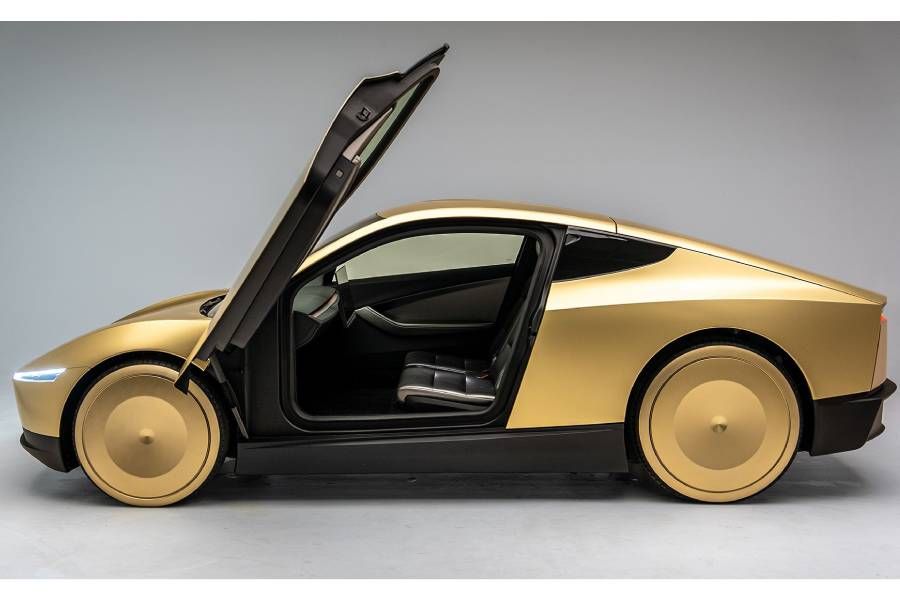
Tesla added 43 Cybercabs to its Texas register on Saturday, taking the registered Tesla Cybercab fleet in the state to 970 vehicles. The new entries were all purpose built Cybercab cars, according to a report from CyberCab.News based on the state registration table. The total leaves Tesla close to 1000 registered robotaxi vehicles in Texas. Tesla has not published an official fleet number of its own, so the registration count is the clearest public record of how the fleet is growing. The Tesla Cybercab is a two seat car with no steering wheel and no pedals, built for driverless ride hailing rather than for a human driver. Its growth in Texas matters because Austin is the city where Tesla operates its robotaxi service, and Texas registration data shows which vehicles the company has put on the books for that service.
The breakdown reported from the state table puts the fleet at 463 Cybercab cars and 507 Model Y cars. The Model Y count was unchanged through the day, so all of the growth came from the Tesla Cybercab. Another tally cited in the same report puts the Cybercab figure at 465, a small difference that shows how trackers can read the same table in slightly different ways. On either count, the Cybercab now makes up about 48 percent of the registered Texas fleet. Another 45 Cybercabs would put the purpose built car ahead of the Model Y on the Texas list for the first time. At the rate seen on Saturday, that change could take a day or two, although registration rates can vary from day to day and a single day does not set a trend on its own.
Tesla Cybercab growth in Austin
The timing of the increase lines up with a busy week in Austin. The city hosted the United States Grand Prix at Circuit of the Americas during the weekend, and Tesla stretched its robotaxi service area to cover the circuit for race week. The report notes that nearly half a million people pass through the city for the event each year, and many of them could hail a Cybercab for the first time. A larger service area and a larger fleet go together in that setting, because more cars on the register give the service more capacity to cover a wider area. The Tesla Cybercab is suited to that use in one narrow sense: it was designed from the start as a robotaxi, with two seats and no controls for a human driver, so every car added to the register is a car meant for driverless service.
Tesla Cybercab registrations are not rider counts
State registrations are not the same as a live count of cars carrying paying riders. Texas asks automated vehicle operators to file each car with the state, and a Tesla Cybercab on the list may still be in testing, parked in a fleet lot, or waiting for its first fare. That distinction matters for readers who see a headline number and assume it means that many cars are on the road with passengers at any given moment. The registration table shows factory output reaching Texas streets in paperwork terms, and it shows the direction of growth, but it does not show how many cars are in active service on a given day. Tesla has said through its robotaxi account that more than 300 Cybercabs were serving Austin as of October 10, a figure that measures a different thing from the registration total and comes from the company itself rather than from state records.
Tesla Cybercab pace compared with Waymo
The report also puts the Tesla Cybercab pace in context by comparing it with Waymo growth in Texas since September. By the count cited in the report, Tesla output has outpaced Waymo growth in the state since September, although the report does not give a Waymo total for the same Saturday. Earlier public counts had put Waymo at a much larger Texas total, so the comparison is about the rate of recent growth rather than which company has the larger fleet today. For Tesla, the shift from Model Y cars to Cybercab cars is the main story inside the total, because the Model Y carried the early robotaxi service and the Cybercab is the first vehicle built only for driverless use.
The Tesla Cybercab total will be watched for the next registration update. Each Tesla Cybercab entry adds to the public record of the fleet in Texas.