
GLP-1 drugs face new FDA warning over rare eye risk
The FDA has ordered makers of GLP-1 drugs to add a warning about a rare eye condition that can cause permanent vision loss, after a review of 126 trials.
by Trends DeskNovember 19, 20264 min read
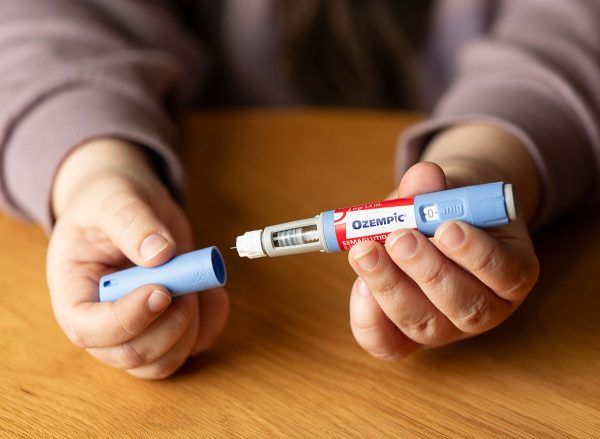
The Food and Drug Administration has ordered makers of GLP-1 drugs to add a warning to their labels about a possible link to a rare eye condition that can cause permanent vision loss. The agency issued a drug safety communication on November 9, after a review of clinical trials, animal studies, reports received after the drugs reached the market, and observational studies. The warning covers all GLP-1 receptor agonist medicines, including semaglutide, sold as Ozempic and Wegovy, and tirzepatide, sold as Mounjaro and Zepbound.
The condition linked to GLP-1 drugs is nonarteritic anterior ischemic optic neuropathy, known as NAION. It occurs when blood flow to the front of the optic nerve drops, and it can cause sudden, painless loss of vision in one eye. There is currently no proven treatment to cure or reverse the vision loss, and the damage is sometimes permanent. The FDA said patients should contact a health care professional right away if they notice painless vision loss, blurred vision, missing patches of sight, distorted colors or hazy spots.
The FDA reached its decision after a meta-analysis of 126 trials with 134,253 participants, which found 15 probable NAION cases. Ten were in people taking GLP-1 drugs, five were in those on placebo, and none appeared among people taking other non-GLP-1 diabetes drugs. The rate was 6.4 cases per 100,000 person-years for GLP-1 users, against 3.8 for those on comparison treatments. The agency stressed that the evidence points to a possible increased risk and does not prove the drugs cause the condition.
A 2024 study had already pointed the same way. It found diabetes patients taking semaglutide were four times more likely to develop NAION than those who were not prescribed the medication. The European Medicines Agency said the eye condition could affect one of every 10,000 GLP-1 users who have diabetes. The FDA also said it was unable to identify a mechanism explaining how the drugs might increase the risk, and it noted that many people prescribed the medicines already have high blood pressure, sleep apnea or diabetes, which are themselves risk factors for vision loss.
GLP-1 drugs and the lawsuits behind the warning
The warning lands as lawsuits over the drugs pile up. More than 3,000 patients have filed federal lawsuits alleging GLP-1 drugs caused permanent stomach paralysis, sudden blindness from the eye condition, intestinal blockages and other serious injuries. A personal injury firm, Weitz and Luxenberg, has filed more than 90 lawsuits against Novo Nordisk in a New Jersey state court since 2025 on behalf of patients who developed the eye condition while taking its products. Novo Nordisk, which makes Ozempic and Wegovy, said the lawsuits lacked merit and that the company was contesting them.
Weight loss drugs in the GLP-1 class are now used by about one in eight American adults, according to a November 2025 KFF Health Tracking Poll, nearly double the rate from 18 months earlier. The drugs were first licensed for type 2 diabetes, and their use as weight loss drugs has grown fast. Analysts expect the class to generate about 100 billion dollars in annual sales within ten years, after being taken by millions of people in the United States.
GLP-1 drugs and the common side effects
Most people who take GLP-1 drugs report milder problems. Nausea, vomiting, diarrhea and constipation are the most commonly reported side effects, and studies show up to half of users experience nausea. Serious gallbladder problems, pancreatitis and kidney injury have also been reported, though they are less common. The drug class also carries a boxed warning about the potential risk of thyroid tumors.
What the GLP-1 drugs warning means for patients
The FDA said the warning is a reason to talk to a doctor, not a reason to stop the drugs without advice. People who take the drugs for diabetes or obesity should report sudden vision changes at once, the agency said. The warning does not change the approved uses of the medicines. Federal health officials emphasized that the actual occurrence of the complication is extremely low, affecting only about 0.01 percent of participants in certain studied groups.
Drugmakers must now update the labels on all GLP-1 drugs on the market. The FDA said it had received reports of the eye condition for every GLP-1 product sold in the United States. The agency will keep monitoring reports as the drugs reach more patients.
Related articles in Health
View all Health →Browse more stories in Health.