
Nvidia leadership saga holds a warning for boards
The Nvidia leadership saga shows what happens when a company built around one founder has no clear successor, and the board has to act in public.
by Trends DeskNovember 19, 20263 min read
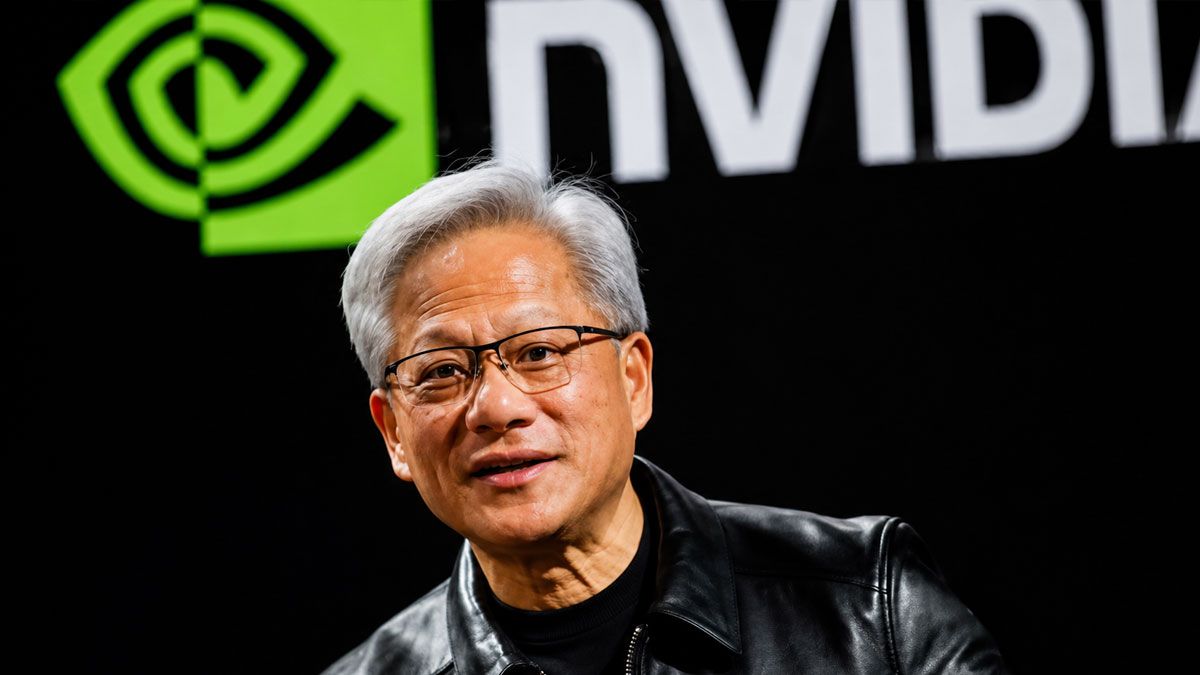
The Nvidia leadership saga has become a case study in what happens when a company built around one founder has no clear successor. The Wall Street Journal reported on 11 November that Nvidia's board was preparing to consider removing founder and chief executive Jensen Huang. The next day, Huang stepped down as president, chief executive and director, effective immediately, and the Nvidia board named chief financial officer Colette Kress as interim chief executive. Nvidia shares fell nearly 7 percent in trading on Thursday and are down more than 25 percent over the past two weeks.
The Nvidia leadership crisis began with the Journal's reporting that the board acted after reports of two extramarital affairs involving Huang, including one with a woman US intelligence officials suspect of working for China and another with a senior Nvidia executive. Huang acknowledged in a message to employees on Sunday that he had been unfaithful to his wife and apologised to her and his children, without giving further details. The Nvidia board announced an independent investigation on Sunday and appointed an outside law firm to lead it. The board had earlier said it had no basis to believe that national security or confidential information had been compromised.
Nvidia leadership depended on one founder
Jensen Huang is not only Nvidia's chief executive. He is its co-founder, its public face and the person behind its rise from a gaming chip maker founded in 1993 to the world's leading supplier of artificial intelligence chips. He is 63 and has run the company since its founding. The Nvidia leadership structure gave him unusual control over decisions. Nvidia's own regulatory filings warn that the company is highly dependent on its longstanding executive team and that weak succession arrangements could harm strategic planning and execution. Huang has previously expressed scepticism about conventional succession planning, preferring a structure built on direct communication and the constant sharing of information.
That is the first part of the message in the Nvidia leadership saga. A company that depends on one person for strategy, customer relationships and dealings with governments has no buffer when that person becomes the story. Investors reacted at once. Nvidia shares fell about 8 percent in after-hours trading on Wednesday after the Journal's report, and rivals Advanced Micro Devices and Broadcom rose more than 5 percent. Morningstar senior equity analyst Brian Colello said the issues around Huang had not changed its medium-term forecasts for Nvidia's financials. Charu Chanana, chief investment strategist at Saxo, said leadership in the artificial intelligence market could broaden, with AMD, Broadcom, Alphabet and Samsung gaining as customers look to diversify away from Nvidia.
Nvidia leadership questions now reach its investments
The second part of the Nvidia leadership message concerns what Huang did with Nvidia's money. Over the past three years, under his leadership, Nvidia invested more than 140 billion dollars in artificial intelligence startups, cloud providers and research labs, becoming the industry's largest backer. A 500 billion dollar artificial intelligence computing infrastructure financing platform, developed with six large asset management firms, was already facing problems before Huang's departure, and its prospects are now more uncertain. People familiar with Nvidia's investment decisions said Huang was closely involved in them personally and often put speed ahead of detailed checks.
Colette Kress has previously objected to several deals championed by Huang, and people familiar with the company's investment work expect her to move more slowly on transactions. That change in pace matters because Huang's support for the startup ecosystem was tied to his own outlook as a founder. If the next chief executive does not share it, the flow of money is unlikely to stay the same. President Donald Trump said he spoke with Huang by phone on Monday and that Huang told him he was unaware that Alice Huang, the former executive at Singapore-based Megaspeed, was allegedly a spy. The Nvidia leadership change leaves the board to find a permanent chief executive, and Nvidia is due to report quarterly results on 17 November.
Related articles in Business & Industrial
View all Business & Industrial →Browse more stories in Business & Industrial.