Institutional investors face new Treasury homebuyer rules
Treasury proposed rules barring institutional investors with 350 or more single-family homes from buying more, with penalties up to $1M or 3x the price.
by Trends DeskOctober 23, 20263 min read
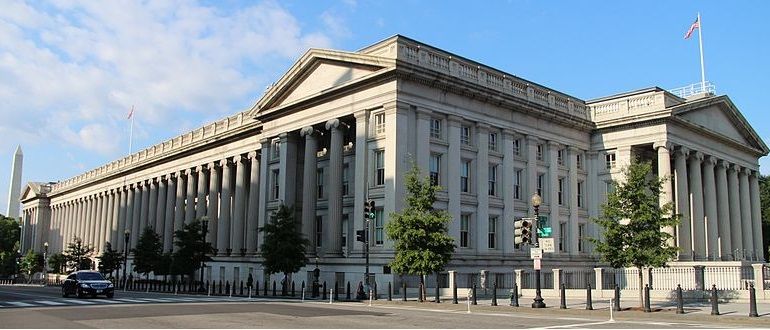
The Treasury Department has proposed rules that would bar large institutional investors from buying more single-family homes. The rules would stop institutional investors that control 350 or more single-family homes from purchasing additional properties, starting Jan. 7, 2027, if the proposal is finalized. The move follows a January executive order from President Donald Trump aimed at discouraging investors from benefiting from federal assistance in home purchases.
"Treasury is working to ensure American families and workers have a fair shot at purchasing homes in their communities by increasing housing supply and limiting large institutional investors' role in the market, while supporting a strong, stable housing market and avoiding unnecessary disruption," Treasury Secretary Scott Bessent said in a statement.
The Treasury Department's proposed rule defines what counts as a large institutional investor and sets out penalties of up to $1 million, or three times a property's purchase price, for violations. The Treasury Department will take public comment on the rules for 30 days.
Congress wrote the underlying limits into the 21st Century Road to Housing Act, which became law in July and targets investors who own more than 350 properties. Homes bought before the law took effect on July 11 would not have to be sold. The bill drew overwhelming bipartisan support, though Trump did not sign it and it became law without his signature.
What the institutional investors rule covers
The central ban is direct: institutional investors controlling 350 or more single-family homes could not buy additional homes starting Jan. 7, 2027. The new material in the proposed rule is mostly in its exceptions and carve-outs, according to Realtor.com senior economist Hannah Jones.
Build-to-rent properties get one exception. A home must be a new build bought within 18 months of its certificate of occupancy, and it must be occupied by a renter. The bill does not set a minimum period for the renter to live there, and Treasury is asking for comment on whether to add one, so investors cannot build, rent briefly and then quickly sell.
Renovate-to-rent homes get another exception. To qualify, a home must fail structural or core-system building code elements at purchase, and the investor must spend at least 15 percent of the purchase price on improvements that fix those problems. The carve-out fits companies that buy distressed homes, repair them and rent them out.
How institutional investors would be affected
"We see this as sensible guardrails rather than a surprise," Jones said. "The rule steers large investors toward activity that adds supply, restores neglected homes, or helps renters become owners, and away from competing with owner-occupant buyers for existing homes."
Large investors had already been pulling back under scrutiny this year. Realtor.com found that large investor buying activity fell 31.8 percent compared with last year. Small investors keep a far larger presence in the housing market and have stayed more active in the meantime.
Jones said the measure might not change much nationally, because mega-investors have not been buying amid the scrutiny. The effect could be more noticeable in local markets where institutional investors are concentrated, and the exceptions could redirect some buying toward new construction and added housing supply rather than existing homes.
Sen. Elizabeth Warren of Massachusetts, the top Democrat on the Senate Committee on Banking, Housing, and Urban Affairs, called the proposal a sign of progress. She criticized Trump for failing to sign the housing bill, which became law after he took no action on it. "Today's proposed rule starts that process for reining in large institutional investors, but the work is far from done," Warren said. "Congress will be watching closely to ensure the Trump Administration finalizes strong final rules without loopholes for corporate landlords that drive up costs for renters and families trying to buy a home."