Treasury Yield Inflation Warning: 10-Year Tops 5%
The Treasury yield inflation warning grew as the 10-year yield broke past 5%, near a 20-year high, after Trump suggested tolerating inflation to cut debt.
by Trends DeskOctober 21, 20263 min read
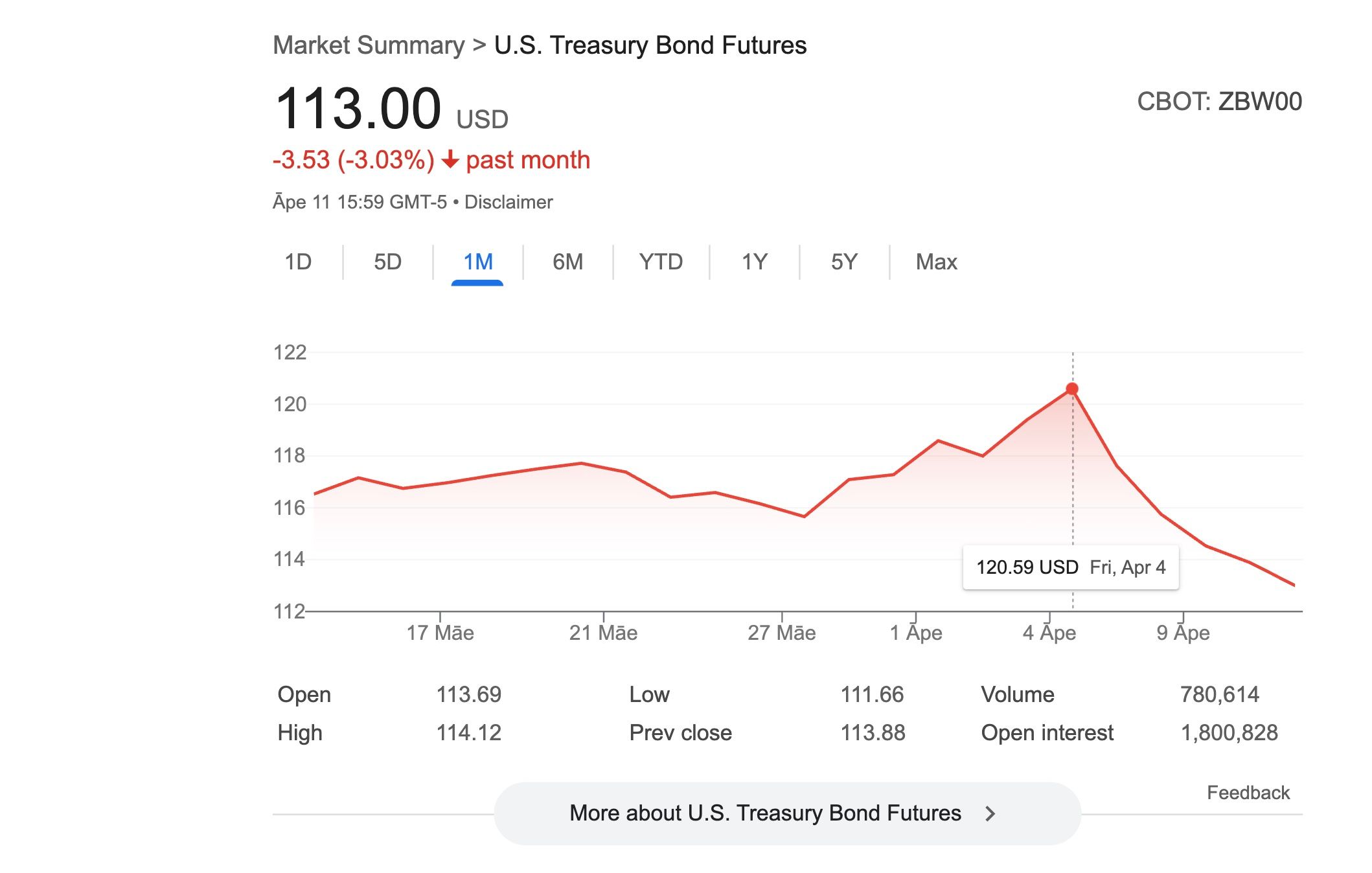
Bond investors are on edge after President Trump suggested that higher inflation could help Washington shrink its debt burden, a remark that rattled a market already nervous about US finances. The Treasury yield inflation warning intensified as the 10-year US Treasury yield broke past the 5 per cent psychological level, at or near its highest in more than 20 years, as international investors sold off American debt. The sell-off reflects a fear that the White House may tolerate rising prices for longer than investors are comfortable with.
Why the Treasury yield inflation warning matters now
Trump stated earlier this month that "certain levels of inflation" could help "rapidly" pay down the national debt, implying the administration may accept higher inflation as a policy tool. For bondholders, that is an alarming prospect: inflation erodes the real value of fixed coupon payments, and the 10-year Treasury yield is the market's verdict on the risk. The remarks landed in a market already primed for bad news on the deficit, amplifying a sell-off that had been building for weeks. The Treasury yield inflation warning is, at its core, a repricing of trust in US fiscal discipline.
The backdrop hardly helps. The Pentagon has requested a record $1.5 trillion military budget for 2027, the IMF has said the United States will likely be unable to grow its way out of its debt crisis, and the country faces a roughly $40 trillion debt mountain. Higher yields raise the government's own refinancing costs, creating a feedback loop in which the national debt becomes more expensive to service just as investors demand higher compensation to hold it.
Treasury yield inflation warning hits stocks and bonds
Rising yields make bonds a more attractive alternative to stocks, and that rotation pressure was visible even on a day equities held up. The S&P 500 nevertheless closed at 7,712.57, up 0.28 per cent, and is up about 12 per cent year to date, showing that equity investors have so far looked through the bond-market anxiety. But the Treasury yield inflation warning argues that complacency could prove costly if price pressures re-accelerate.
Global cross-currents add to the unease. A wide array of tariffs against major trading partners, war in Iran and Brent crude up 80 per cent year to date all feed inflation concerns at a moment when the Federal Reserve's room for manoeuvre is narrowing. For equity investors, the tension is clear: stocks have climbed even as the bond market prices in greater fiscal risk, a divergence that rarely lasts indefinitely. International investors selling US debt is a particularly sensitive signal: foreign demand has long underpinned Treasury auctions, and any sustained retreat would push the 10-year Treasury yield higher still.
How investors can respond to the Treasury yield inflation warning
For portfolios, the message is diversification. Advisers say the Treasury yield inflation warning is a reminder to spread exposure across asset classes, durations and geographies, which may minimise the damage from another inflation surge, rather than betting everything on a single outcome for rates. Shorter maturities, inflation-linked securities and diversified income sources can all cushion portfolios if price pressures prove stickier than the consensus expects. Inflation-linked bonds, shorter-duration paper and real assets all have roles in hedging inflation concerns, advisers say, while the national debt trajectory argues against assuming yields will quickly fall back.
The Treasury yield inflation warning will not fade quickly. With the 10-year Treasury yield above 5 per cent, refinancing costs climbing and the fiscal debate intensifying, bond markets are demanding a premium that Washington cannot ignore. Whether policymakers answer with fiscal restraint or accept higher inflation will shape returns across every asset class into 2027.