Treasury yields near 5.36% as AI debt binge rattles bonds
The 10-year Treasury yield topped 5.36% as AI data-center borrowing and Fed tightening fears keep bond volatility elevated.
by Trends DeskOctober 19, 20263 min read
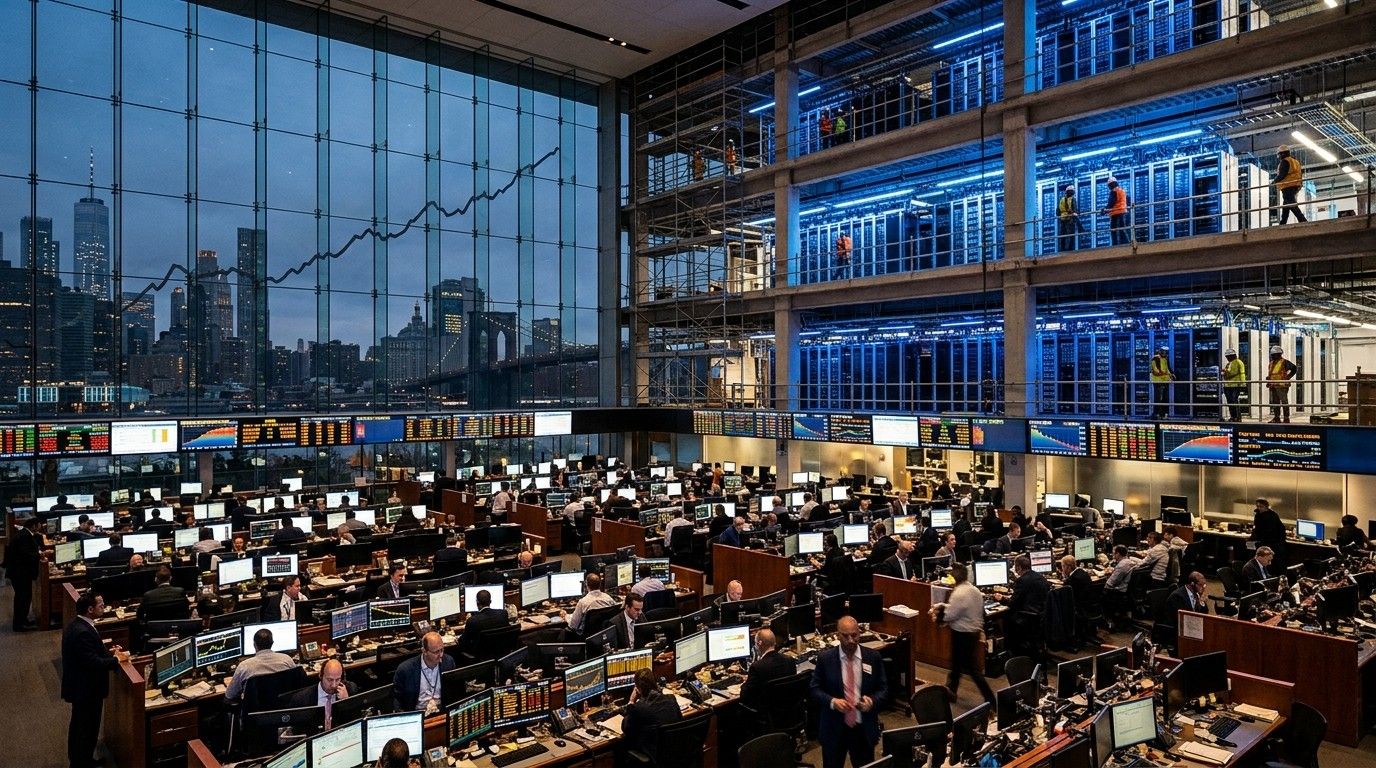
Bond investors are nervous as heavy AI-related borrowing runs into interest rates above 5%. The 10-year Treasury yield recently hit about 5.36% and was near 5.09% on Friday, according to an Oct. 19 market snapshot. At those levels, investors are rethinking how much debt the market can take.
Why yields are rising
Minutes from the Federal Reserve's September meeting show officials discussed the rise in yields and put it down to expectations of further Fed tightening, AI-related investment and solid economic growth. The bond market is reacting to the economy's growing demand for capital, not just to policy.
AI is the newest of those factors and the hardest to predict. Data centers cost enormous sums, and the companies building them are borrowing heavily. Their bonds have to compete for buyers when benchmark borrowing costs are already high, and investors are wary of them.
Fed policy makes that supply harder to absorb. In September the Fed raised its target range by 25 basis points to 3.75%–4.00% on a unanimous 12-0 vote, and the minutes show most officials saw another increase as likely appropriate by year end. With policy itself adding to borrowing costs, every new corporate bond deal faces a higher bar.
The size of the build-out is what worries the market. Data centers are among the most capital-intensive projects in the economy, and the debt behind them has to sell at yields that already reflect years of high rates. If growth disappoints, those bonds could fall sharply in price, so credit investors want a premium upfront.
A feedback loop
High bond volatility shows the market is still working out what price clears all this debt. Fed officials noted substantial uncertainty around AI investment, which they expect to raise productivity eventually but by an unknown amount and on an unknown timeline. Until that becomes clearer, AI-linked bond deals land in a market that wants extra compensation.
High yields make debt-funded AI spending more expensive. The more the sector borrows, the higher the hurdle for the next deal. Investors are repricing duration risk and credit risk at the same time, and the effect is strongest at the long end of the curve, where pension funds and insurers set prices and where both Treasury and corporate supply is heaviest.
The Fed attributing part of the yield rise to AI investment is unusual. It treats private-sector borrowing as a macro factor. If the build-out keeps speeding up, it could keep pushing yields higher whatever the Fed does with its own rate.
For other borrowers
A 10-year yield above 5% changes the numbers for corporate borrowers outside tech, from refinancing to expansion. Mortgage rates, car loans and credit cards follow the same curve, so the AI borrowing spree is tightening financial conditions across the economy and doing some of the Fed's work for it.
If inflation data cools and the Fed holds in October, yields could settle. Another hot reading would likely send the 10-year back toward its recent highs and keep volatility high into year end.