Treasury yields ease as dollar slips for week
Treasury yields eased over the week and the dollar slipped 0.2 percent, as credit spreads widened and investors sought safety in government bonds.
by Trends DeskOctober 25, 20264 min read
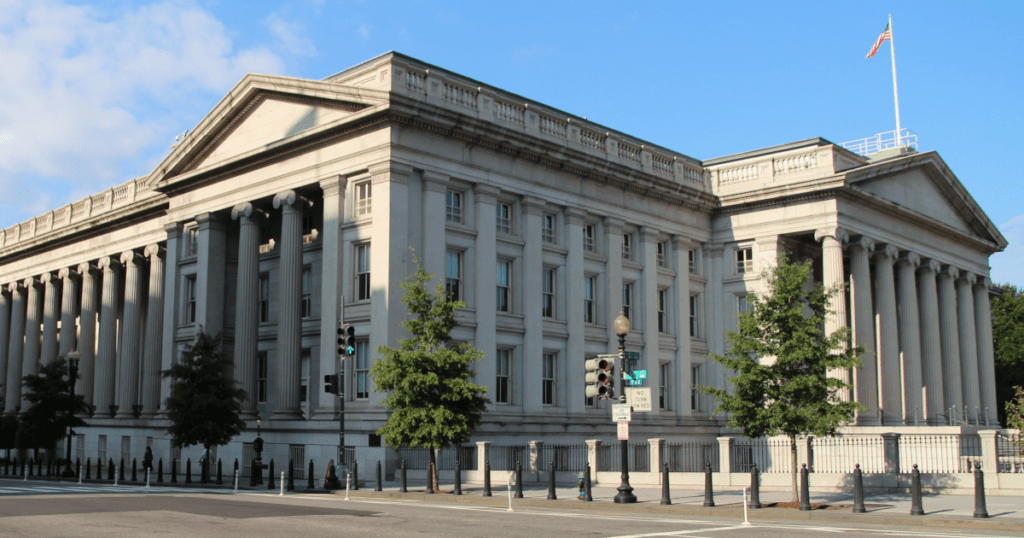
Treasury yields fell over the week to October 23, while the dollar slipped, in a week when investors weighed AI debt worries against demand for safety. The Stocktwits weekly spread, carried by TradingView on October 24, put the US 10 year Treasury yield at 5.00 percent, down 8 basis points for the week, and the US 30 year Treasury yield at 5.32 percent, down 10 basis points. The US 2 year Treasury yield stood at 4.69 percent, down 2 basis points.
The US dollar index closed the week at 101.75, down 0.2 percent, extending weakness against a basket of developed market currencies from the previous week. Yield curve flattening trends persisted, the summary reported, as short duration yields eased more slowly than the long end, keeping the gap between 2 year and 10 year Treasuries tightly compressed. A flatter curve means long term borrowing costs fell by more than short term costs over the week.
Treasury yields move for many reasons at once, and this week offered several. Demand for safe haven assets rose as technology shares faced renewed scrutiny over returns on AI infrastructure spending. International sovereign bond markets followed similar paths, with German 10 year Bund yields and other major sovereign yields mirroring the US decline, reflecting broad based global demand for safe haven assets, the summary said.
Treasury yields and the dollar index
The index reading matters because it tracks the dollar against other major currencies, not against one currency alone. A 0.2 percent weekly fall is small in itself, but it extended the previous week weakness, suggesting traders were not rushing back into the dollar despite higher long term yields earlier in the month. The 10 year yield had risen to 5.14 percent early in the week before falling back, according to KuCoin BlockBeats reporting on October 24, closing at 4.97 percent on Thursday, the first time in a month it fell below 5 percent.
Bond credit markets told a less calm story than government bonds. Corporate spreads widened, signalling growing stress in corporate balance sheets, the Stocktwits summary reported. Swap prices on specialised neocloud providers and major AI hardware builders surged as markets questioned their ability to service growing debt loads. Widening spreads mean investors demand more compensation to lend to companies, even while they accept lower yields on government debt.
Spreads widen as Treasury yields fall
CoreWeave stock illustrates that split. CoreWeave stock fell about 12 percent this week, its third straight weekly decline, as its credit spreads widened, the Stocktwits summary reported. The company is a specialised provider of computing capacity for AI work, so its shares and its credit spreads both respond to doubts about how AI spending will be funded. A falling CoreWeave stock price and widening spreads together signal that lenders and shareholders grew more cautious at the same time, as Treasury yields fell for government debt.
The core market concern, as KuCoin BlockBeats put it, is that AI companies and governments around the world are simultaneously increasing their funding needs, competing for limited capital resources. Meta also plans to invest heavily in computing power and AI infrastructure, the report said. The US government continues to issue debt, further intensifying pressure on capital supply and demand, the report added.
What the Treasury yields week leaves behind
The week of Treasury yields leaves two patterns side by side. Government bond yields fell and the dollar slipped, a pattern consistent with investors seeking safety. Corporate credit spreads widened and some AI linked shares fell, a pattern consistent with investors charging more for corporate risk. Both patterns can hold at once, because safety demand lifts government bonds while funding doubts weigh on corporate borrowers, even as Treasury yields fall.
For the week ahead, traders will watch Treasury yields closely, whether they stay near 5.00 percent or move back above it, whether the dollar steadies near 101.75, and whether spreads keep widening. The Federal Reserve decision on October 28 and the growth and inflation data due October 29 will give those questions fresh inputs. Until then, the weekly numbers stand as they were reported: 10 year at 5.00 percent, 30 year at 5.32 percent, 2 year at 4.69 percent, and the dollar index at 101.75.