
GAO finds $9 billion breach of Appropriations Clause
The Government Accountability Office found the Trump administration unlawfully drew over $9 billion from the Treasury, in breach of the Appropriations Clause.
by Trends DeskNovember 19, 20263 min read
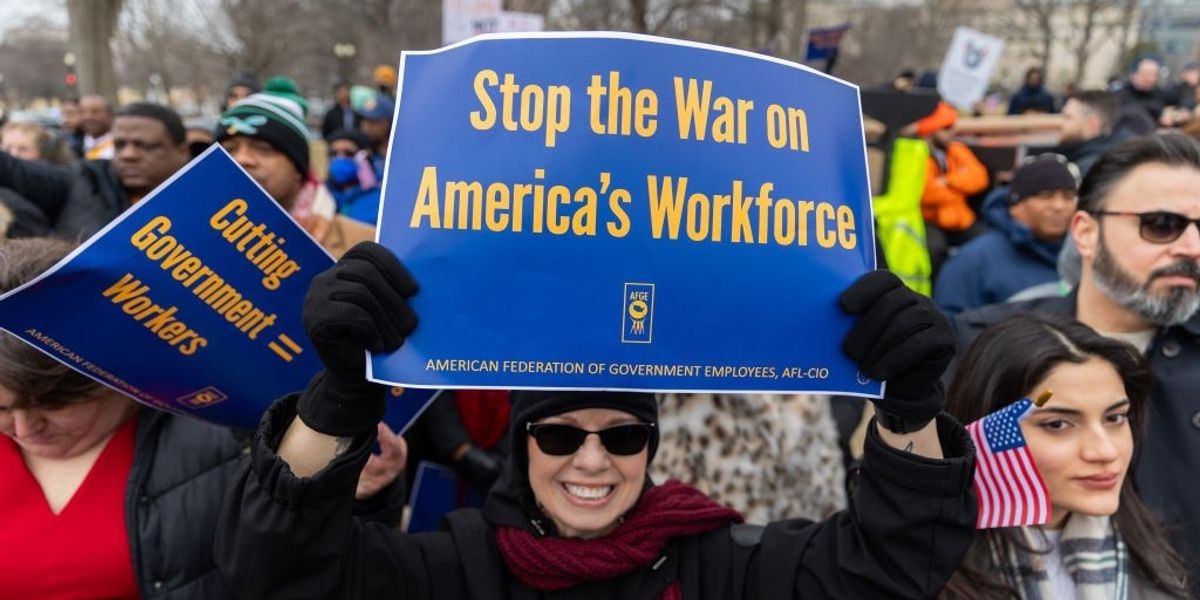
The Government Accountability Office said on Tuesday that the Trump administration unlawfully drew more than 9 billion dollars from the United States Treasury, in breach of the Appropriations Clause of the Constitution. The nonpartisan watchdog issued a legal decision finding that the executive branch spent money Congress had never made available. The finding covers funds drawn for housing support, foreign assistance, domestic law enforcement and scientific research.
In 2025, the House passed appropriations legislation, the Senate passed it, and the President signed it into law. The law said 12.5 billion dollars in the Treasury would become available for those four purposes if, and only if, the President designated the full amount as for emergency requirements. The President did not make that designation. The law therefore made none of the funds available, yet the executive branch drew and spent billions of dollars anyway.
The watchdog found the spending violated the appropriations legislation, the Antideficiency Act and the Appropriations Clause. The Appropriations Clause says no money may be drawn from the Treasury except through an appropriation made by law. The Antideficiency Act carries criminal penalties for knowing and willful violations.
How the Appropriations Clause case reached the GAO
The request for a legal decision came from Representative Rosa DeLauro of Connecticut, the ranking Democrat on the House Appropriations Committee, and Senator Patty Murray of Washington, the vice chair of the Senate Appropriations Committee. They sent a joint request to the Comptroller General in December 2025. DeLauro had already raised the issue in a letter to the Office of Management and Budget in March 2025, pointing to the budget office's central role in the spending.
DeLauro said the decision showed the executive branch had drawn taxpayer money Congress had not made available. She said the Government Accountability Office had found the spending unlawful and had notified the executive branch. The committee said the funds were drawn in violation of the appropriations legislation and the Appropriations Clause.
What the Appropriations Clause ruling means
The ruling does not by itself recover the money. It puts on record that the spending broke the law, and it requires the agencies involved to report the violation. Under that law, an agency that spends beyond its authority must report the breach to the President and to Congress, with a copy to the Comptroller General. Employees who break the law knowingly and willfully can face criminal penalties.
The decision lands in a wider fight over spending power. The budget office, led by Director Russ Vought, has argued that the President may hold back money Congress approved, a practice known as impoundment. The watchdog has repeatedly found those moves unlawful, including a September ruling that the cancellation of 810 million dollars in spending without approval from Congress through a pocket rescission was illegal. The administration has dismissed the watchdog's findings and argued that the office has no authority over the executive branch.
The Appropriations Clause and the next steps
Congress holds the power of the purse under the Constitution, and the Appropriations Clause is the provision that gives that power its force. The watchdog's decision gives lawmakers a formal finding they can use in the dispute over the 9 billion dollars. Rosa DeLauro and Murray have pressed the budget office on the spending since early 2025, and the decision answers the question they put to the Comptroller General last December. The legal decision was issued on Tuesday, November 17.
The Government Accountability Office has notified the executive branch of the violation. The House Appropriations Committee said the money was drawn from the Treasury in violation of the appropriations legislation, the Antideficiency Act and the Appropriations Clause.
Related articles in Law & Government
View all Law & Government →Browse more stories in Law & Government.