Housing affordability order creates housing task force
Trump signed a housing affordability executive order on Oct. 22 creating a manufactured housing task force and ordering mortgage insurance and title reforms.
by Trends DeskOctober 23, 20263 min read
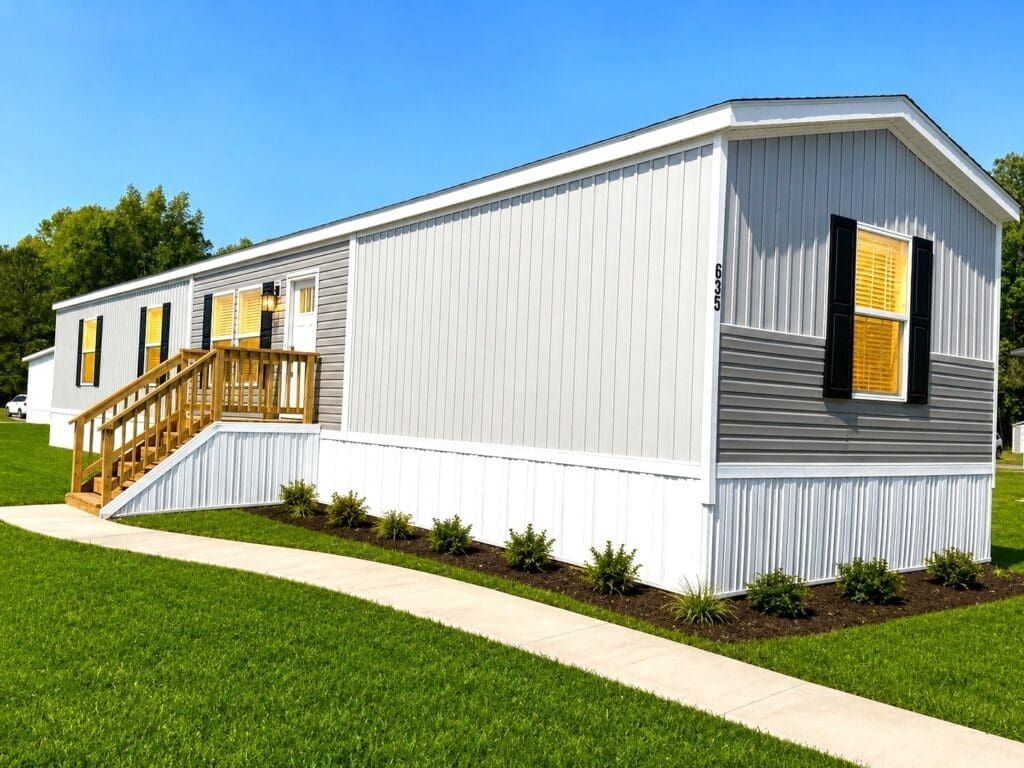
President Donald Trump signed a housing affordability executive order on Thursday, days before the midterm elections, aimed at improving housing affordability by cutting costs for buyers and speeding up new construction. The multi-part order directs federal housing agencies to test canceling "excessive" mortgage insurance for select borrowers and makes permanent a pilot that waives title insurance on refinances. It also creates a task force to promote innovation in manufactured housing.
"The American Dream of homeownership is a vital pillar of our great country," the order states. "It is the policy of my Administration to reduce regulatory barriers to mortgage origination and costs impeding homeownership."
The order arrives as Americans remain concerned about housing affordability after a year in which high interest rates and rising material and labor costs strained household budgets. Mortgage rates are expected to remain near decade highs in the near term. The average 30-year fixed rate reached 7.40 percent last week, the highest in about three years, before easing to 7.32 percent this week, according to Freddie Mac.
The order instructs the Federal Housing Finance Agency to launch a pilot program that would proactively cancel borrowers' mortgage premiums once they meet equity requirements based on current market value, without requiring borrowers to apply. It also directs the agriculture and veterans affairs secretaries to reduce interest rates on single-family home loans made by their departments, which serve rural borrowers and veterans.
How the housing affordability order works
The Task Force on Manufactured Housing Innovation will be chaired by Federal Housing Finance Agency Director Bill Pulte and Secretary of Housing and Urban Development Scott Turner. It will draw in government leaders and produce recommendations for accelerating innovation in the homebuilding industry, with the goal of expanding factory-built housing eligible for federal programs.
Pulte celebrated the order on X, calling it "the greatest Housing Executive Order in History" and saying it could save "thousands" for millions of Americans. Trump said he wanted new technologies, including artificial intelligence, to accelerate the housing market.
The mortgage insurance pilot targets borrowers who have built enough equity to make the charge unnecessary. The permanent title insurance waiver program lets more borrowers use lower-cost alternatives at closing when they refinance, cutting closing costs. The order also seeks to waive appraisals and documentation requirements for certain refinances, with the savings passed directly to borrowers.
Housing affordability reactions
The National Association of Realtors welcomed the order. "We appreciate the President's continued focus on this critical issue and look forward to reviewing the Administration's proposals in greater detail," said Shannon McGahn, the group's chief advocacy officer. "We also look forward to working with federal policymakers to advance practical solutions that lower costs, expand housing opportunities, and help more Americans achieve the dream of homeownership."
The group said it will review the housing affordability proposals in greater detail as they take shape.
Bob Broeksmit, president and CEO of the Mortgage Bankers Association, said the group's lender members "welcome these latest initiatives to reduce the costs of refinancing and expand innovative manufactured housing options for potential homebuyers."
Not everyone cheered. American Land Title Association CEO Chris Morton said efforts to improve housing affordability are critical, but warned that cutting title insurance costs "must also preserve the essential consumer safeguards that protect Americans' most valuable assets." "Fraud is unaffordable, and the threats facing homeowners are growing," Morton said. "Now more than ever, we need to ensure that efforts to lower housing costs do not shift significant financial risks onto American families or the broader housing finance system."
Congress had already passed the 21st Century Road to Housing Act this year, a 45-provision bill aimed at cutting red tape and encouraging construction. Trump declined to sign that bill, though it became law. For buyers waiting out high rates, the order's pilots on mortgage insurance and title costs will test whether administrative changes can move housing affordability in a market where prices and borrowing costs remain the main barriers.