New Laws: Trump Signs 10 Bills Including Scam Act
President Trump signed 10 new laws on October 20, including the Romance Scam Prevention Act and a human trafficking detection measure.
by Trends DeskOctober 21, 20263 min read
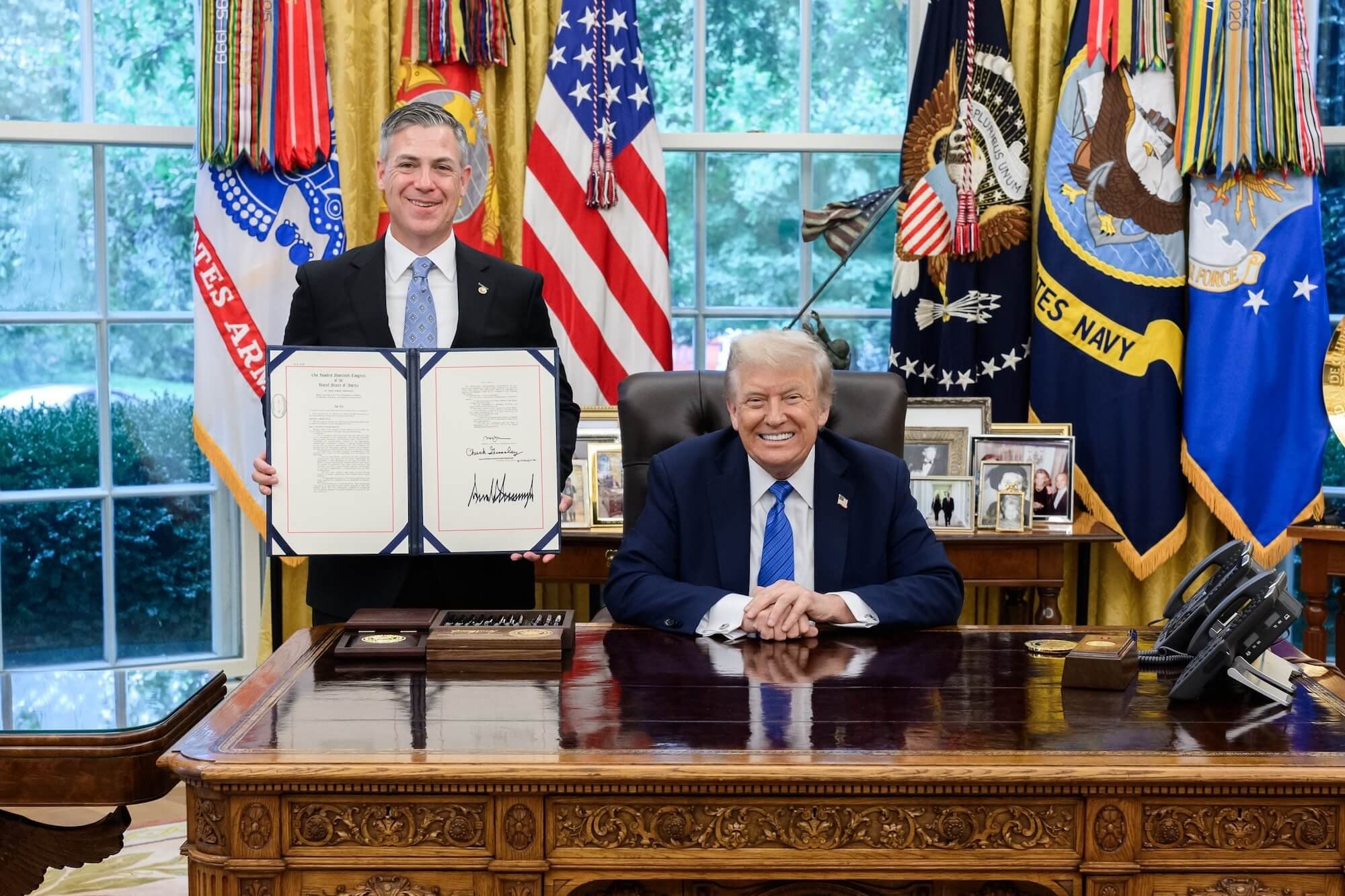
President Donald Trump signed ten new laws on October 20, the White House announced, in a single-day batch spanning fraud prevention, human trafficking detection and domestic manufacturing. The bills signed into law include the Romance Scam Prevention Act, the Enhancing Detection of Human Trafficking Act and the Critical Infrastructure Manufacturing Feasibility Act, alongside seven other measures. The signings were announced in a White House briefing statement listing all ten measures.
The highest-profile of the new laws is H.R. 2481, the Romance Scam Prevention Act, which targets fraud schemes in which criminals cultivate fake online relationships to steal money from victims. Romance scams cost Americans hundreds of millions of dollars each year, and the Romance Scam Prevention Act directs federal agencies to strengthen public education, reporting and enforcement against the organised rings behind them. The FBI's Internet Crime Complaint Center has tracked a steady rise in complaints, with reported losses reaching record levels in recent years.
Trafficking and manufacturing
Also among the new laws is H.R. 4307, the Enhancing Detection of Human Trafficking Act, designed to improve how authorities identify trafficking victims and criminal networks. The human trafficking act joins recent federal efforts to close gaps in victim identification at borders, airports and online platforms. The White House said the package reflects the administration's focus on public safety and domestic production. A further measure, H.R. 1721, the Critical Infrastructure Manufacturing Feasibility Act, orders study of expanding domestic production for critical infrastructure, part of the wider push to reduce reliance on foreign supply chains, which the critical infrastructure manufacturing provisions are meant to advance.
The Clergy Act
The package also included H.R. 227, known as the Clergy Act, plus six additional bills signed into law covering veterans' affairs, public lands and federal administration. The White House published the full list of the bills signed into law in an October 20 briefing statement. Batches of narrow, often bipartisan measures rarely make headlines, but they frequently address problems constituents raised directly with their representatives.
The October signings also illustrate how much lawmaking happens outside the spotlight. Most of the ten measures passed with bipartisan support and little fanfare, addressing issues, from veterans' services to public land management, that rarely feature in national political debate. For the lawmakers who sponsored them, presidential signatures represent the payoff of months of committee work. And for the agencies now tasked with implementation, the real work of translating statutory language into functioning programmes is only beginning.
For scam victims
Advocates for scam victims say the measures arrive after a long wait. Federal data show reported romance-scam losses climbing year after year as criminal networks exploit social media and dating apps at industrial scale. Whether the measures deliver measurable reductions in victim losses will depend on how aggressively agencies implement them, but for the White House, ten new laws in a single day offered a show of productive engagement with Congress.
The October 20 signings continue a pattern of end-of-session legislative bursts, when lawmakers clear backlogs of consensus bills before turning to larger fights. The ten new laws now head to the agencies charged with carrying them out, which must write guidance and stand up the programmes Congress envisioned. Oversight of that implementation, and whether they achieve their stated aims, will fall to the committees that wrote them, setting up a fresh round of hearings in the months ahead.