US asking prices fall for first time since March
Redfin reported US asking prices fell 0.3 percent to $396,881 in the four weeks to October 11, the first annual fall since March, as price cuts hit a record.
by Trends DeskOctober 25, 20264 min read
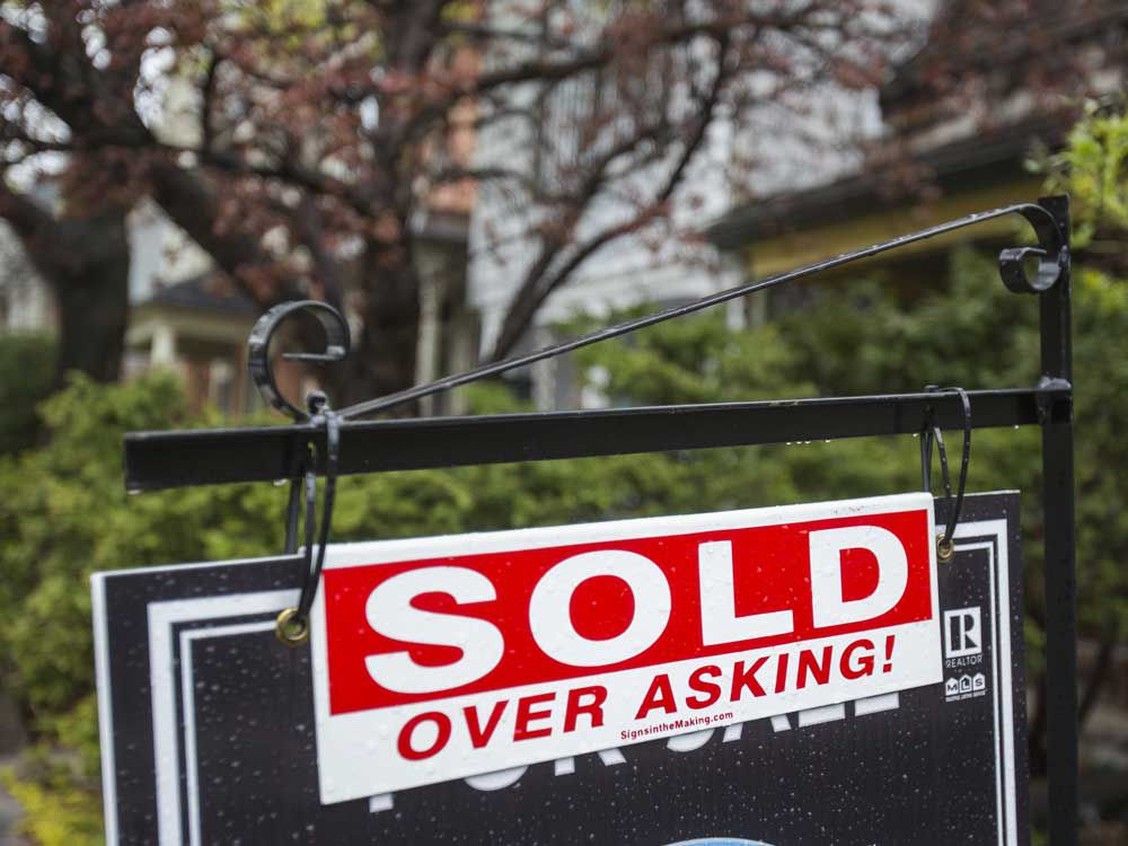
US asking prices fell for the first time since March, according to Redfin. The median asking price for homes listed during the four weeks ending October 11 fell 0.3 percent year over year to $396,881. US asking prices are a measure of what sellers hope to get, not what buyers finally pay, and a fall in asking prices points to sellers adjusting their expectations. The fall came as high mortgage rates kept demand near record lows and forced more sellers to cut prices.
Sale prices are still rising, but only slightly. The median US home sale price increased 0.5 percent year over year to $391,116, the slowest growth rate since March. That difference matters, because asking prices show where sellers are trying to position homes today, while sale prices reflect deals that were agreed earlier. Falling asking prices can therefore give an earlier look at weakening seller expectations than sale prices alone.
US asking prices and record price cuts
The share of sellers cutting prices reached a record level in the Redfin data. About 22 percent of active listings had price reductions, up from 20.9 percent a year earlier, and the highest share in Redfin's records. Sellers who cut early may sell sooner than sellers who hold out for a price buyers will not pay.
Asking prices fell even though the total number of homes for sale rose only slowly. New listings inched up 0.4 percent week over week, while the total number of homes for sale rose 0.8 percent. Active listings stood at 1,506,396 on a seasonally adjusted basis, up 2 percent from a year earlier. Months of supply stood at 4.2, up from 3.8 a year earlier. Redfin notes that 4 to 5 months of supply is considered balanced.
Homes also took longer to sell. The median days on market was 49, one day longer than a year ago. About 29 percent of homes went off market within two weeks, down from 29.6 percent a year earlier. About 23.6 percent of homes sold above list price, up from 23.2 percent a year earlier, and the average sale to list price ratio was 98.4 percent, up from 98.3 percent. Those figures show a market where most homes sell close to asking price, but fewer sell quickly, and more need a cut before they sell.
Mortgage payments and US asking prices
Mortgage rates remain the main constraint on demand, even as US asking prices fall, and US asking prices alone cannot offset rate costs. The weekly average 30 year mortgage rate reached 7.4 percent on October 8, a three year high. Redfin estimated the typical buyer's monthly mortgage payment at $2,777, up 8.8 percent from a year earlier and the second highest level in its records. A fall of 0.3 percent in asking prices does not offset a rise of 8.8 percent in the monthly payment, so buyers still face higher costs than a year ago.
That gap explains why US asking prices can fall while sales stay weak. Sellers can lower the asking price, but the buyer still pays the mortgage rate set by the market. Until rates fall, many buyers will stay on the sidelines, and sellers who need to move may need to cut further or offer help with closing costs. Buyers who can buy now may find more choice and more room to negotiate, but they will still pay a high monthly amount compared with a year ago.
What sellers and buyers face this fall
For sellers, the Redfin data point to pricing as the main lever they control. A home priced near current US asking prices, and cut early if interest is weak, stands a better chance of selling than a home priced well above recent sales. For buyers, the data point to more listings with cuts, but also to a high monthly payment that limits what they can afford. The fall market therefore offers more negotiation room, but not lower borrowing costs.
The national fall in US asking prices is still a useful signal, because it is the first annual fall since March, and it came with a record share of price cuts. The next weekly update will show whether asking prices keep falling, or whether the October fall was a single step in a longer adjustment.