DC Real Estate Investors Flee the Capital
DC real estate investors are selling off and scaling back as development permits hit a 15-year low and marquee projects stall across Washington.
by Trends DeskOctober 20, 20264 min read
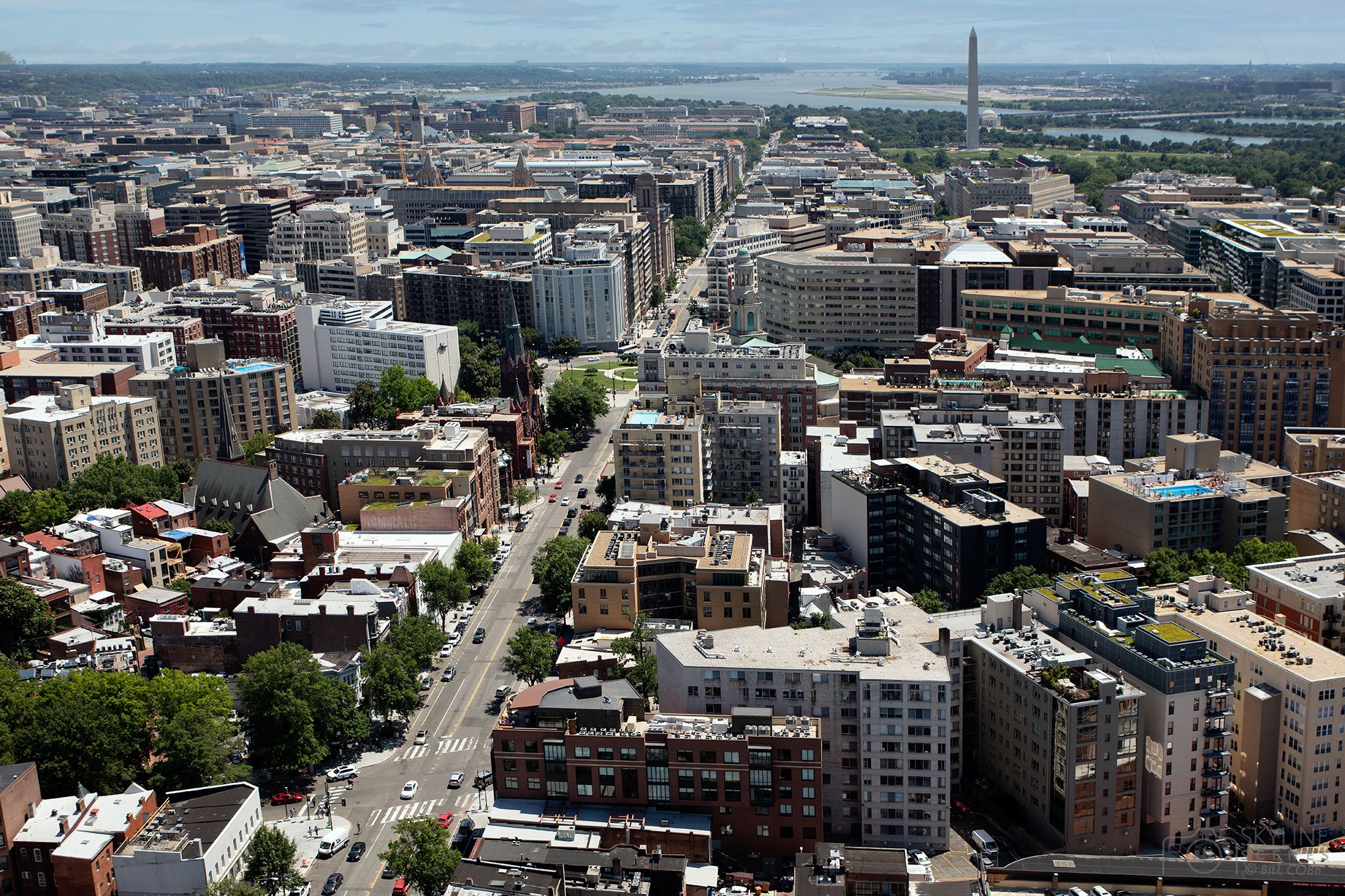
DC real estate investors are walking away from the nation's capital, and the evidence is mounting on once-coveted development sites across the city. A half-acre lot at 15th and U streets NW, already zoned for a high-rise, mixed-use apartment project, sold this year not to a housing developer but to a gas station operator. Petroleum Marketing Group now holds a corner slated for apartments. For DC real estate investors who once competed fiercely for sites like it, the sale captured a broader retreat.
The numbers behind the pullback are stark. Housing permits last year were the lowest in 15 years, according to U.S. Census Bureau data. Groundbreakings across all sectors plunged 27 percent year over year, according to the Washington D.C. Economic Partnership's annual development report. In 2011, D.C. topped the Urban Land Institute's markets to watch ranking. This year it sits at 49th.
Jair Lynch, a D.C. native who built his career on District projects, has drastically reduced his development work in the city. In 2019, the majority of his firm's development activity under construction was in the District, but by 2024 the total volume of activity had dropped by 80 percent, he told City Cast DC. His shift mirrors a broader pattern among DC real estate investors who once anchored their portfolios to the capital and are now seeking returns in stronger-growth, more business-friendly markets.
Federal spending cuts have dealt a heavy blow to the city's economy, driving national and international money away over the past year. Many outside firms are now unwilling to put equity into D.C. deals, preferring safer debt or preferred equity positions, according to Bisnow. Local players with staying power see an opening instead. The Meridian Group's chief investment officer called the market the most compelling entry point for real estate investing since 1993, with central business district prices down roughly 50 percent over five years, according to MSCI data.
The commercial real estate slump is bleeding into the Washington DC housing market, and DC real estate investors are feeling the squeeze on both sides. Transactions remain about 45 percent below their 2021 level, concentrated where condos dominate. Prices in the Southwest Waterfront ZIP code have fallen 11.5 percent year over year, wiping out nearly a third of the neighborhood's value since its 2024 peak. Among condos and townhouses priced below $500,000, 45 percent of listings have had prices cut, and nearly 15 percent have been classified as fire-sale listings, twice the rate of any other price band in the US housing market.
Why DC Real Estate Investors Are Moving Capital Elsewhere
A familiar list of pressures weighs on DC development — elevated borrowing costs, lagging job growth and a regulatory climate many describe as less business-friendly than competing cities. Institutional capital that once funded offices and apartments has been redirecting toward infrastructure and data centers, leaving District projects starved of equity. One bright spot arrived when a law firm signed a 107,227-square-foot pre-lease at 2033 K Street NW, acquired by In-Rel Properties for $20.5 million. Deals like that are now the exception, underscoring how thin the pipeline of new commercial real estate activity has become.
The retreat carries real consequences for housing supply. Fewer permits today mean fewer apartments tomorrow in a city already grappling with affordability. City leaders have watched DC development stall even where zoning encourages density, as the U Street gas station sale illustrates. Housing advocates warn that when DC real estate investors leave, the units that would have housed teachers, nurses and service workers leave with them, deepening pressure on the Washington DC housing market for years to come.
What the DC Real Estate Investors Retreat Means for the City
Some DC real estate investors are buying into the downturn, betting that today's distressed pricing will look like a bargain within a decade. A wave of foreclosures and distress-driven office sales has created openings for firms with capital and conviction in the city's long-term prospects. Whether that contrarian bet pays off for DC real estate investors depends on a recovery in federal employment, lower interest rates and renewed confidence in the District's trajectory.
For now, cranes are scarce. The capital that once flowed toward D.C. apartments and offices is flowing elsewhere, and the city's standing on national watch lists reflects the shift. Until DC real estate investors see job growth return and policy risk recede, the retreat is likely to continue, and Washington's pipeline of new homes will keep thinning, a warning sign for the broader US housing market.