Supreme Court Takes Up Home Distilling Ban
The Supreme Court agreed to review the 158-year-old federal ban on distilling spirits at home after the 5th and 6th Circuits split.
by Trends DeskOctober 20, 20264 min read
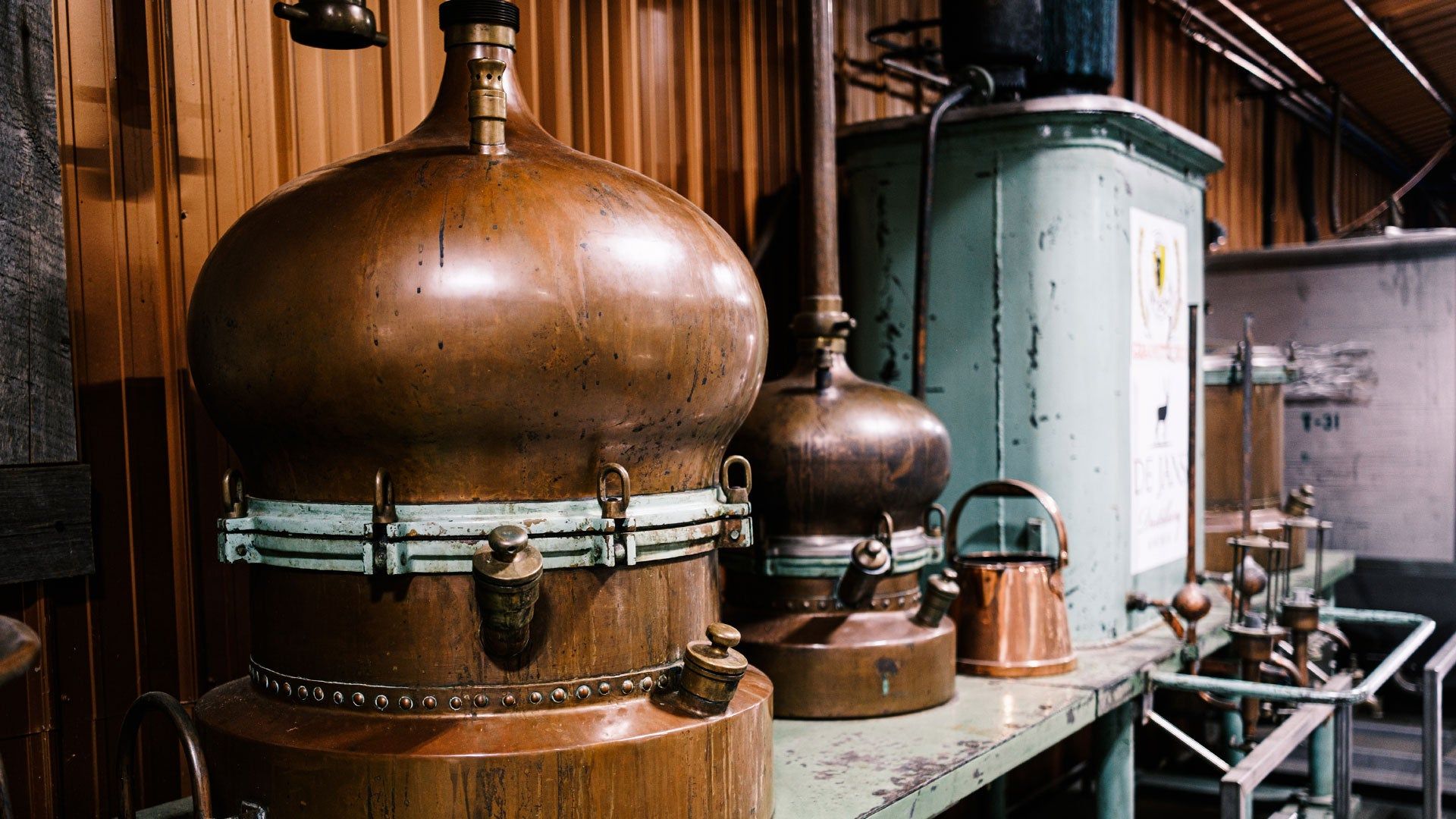
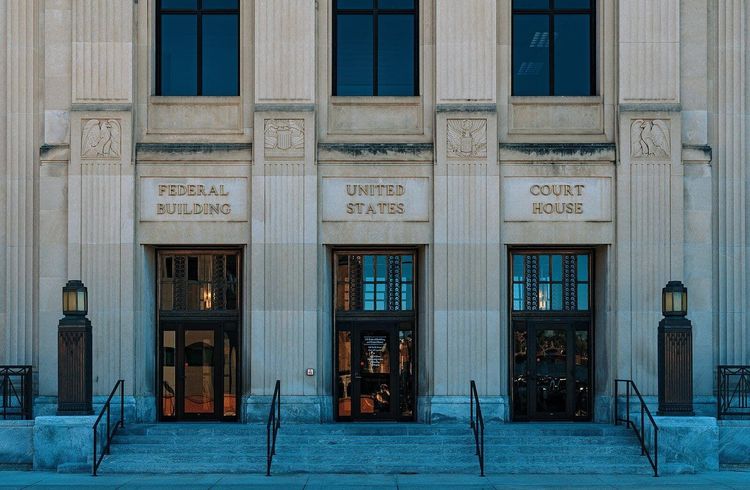
The Supreme Court agreed on Monday to decide the legality of the home distilling ban, a federal prohibition on making alcoholic spirits at home that dates to 1868 and carries up to five years in prison and a 10,000 dollar fine. The justices took up the Trump administration's appeal of a lower court decision that struck down the ban, setting up a ruling by the end of June. The dispute pits the administration, which is defending the law, against challengers who say the prohibition exceeds Congress's power under the Constitution.
The home distilling ban reached the court after two federal appeals courts issued opposite rulings just 11 days apart in April. The New Orleans-based 5th US Circuit Court of Appeals declared the ban unconstitutional, calling it an unnecessary and improper means for Congress to exercise its power to tax. That was a legal victory for the nonprofit Hobby Distillers Association and four of its 1,300 members, who argued people should be free to distill spirits at home. The ruling upheld a 2024 decision by a federal judge in Fort Worth barring enforcement of the ban against the plaintiffs.
Days later, the Cincinnati-based 6th US Circuit Court of Appeals upheld the ban in a case brought by John Ream, a brewpub owner from Newark, Ohio, who wants to distill whisky at home for his personal consumption. That court called the prohibition a necessary and proper means of collecting the federal excise tax on distilled spirits. Both sides appealed, and the justices agreed to review the 5th Circuit decision, the Justice Department's preference.
How the home distilling ban divided the courts
The split between the circuits turns on how far Congress's taxing power reaches. The 5th Circuit concluded that the home distilling ban is not a legitimate way to enforce the tax laws, since the government could collect the tax without criminalizing what people do in their own homes. The Hobby Distillers Association called the 1868 measure an antiquated relic of Reconstruction-era politics, aimed at commercial distillers rather than hobbyists.
The 6th Circuit saw it differently, holding that Congress may restrict where spirits can be distilled to prevent producers from evading the federal excise tax. Government lawyers warned that a still operated inside a private home is easy to conceal from inspectors, making tax evasion far more likely. The court called the ban a convenient mechanism for enforcing Congress's taxation powers, even if it sweeps in hobbyists.
Why the home distilling ban matters for tax power
The home distilling ban case is about more than whiskey. The challengers say the dispute raises fundamental questions about the scope of federal power and the powers reserved to the states and the people. If Congress can criminalize home distilling as an exercise of its taxing power, they argue, there is little limit on what it can ban in the name of protecting revenue. The Justice Department counters that the government has a substantial interest in safeguarding a tax source that now generates billions of dollars every year.
Attorneys general from 15 Republican-led states filed a brief backing the challengers and urging the justices to resolve the circuit split. Unlike a good whiskey, this split will not age well, they wrote. The challengers' lawyer, Robert Alt of the Buckeye Institute, said his clients were thrilled the court agreed to hear the case, noting that home distilling is a pastime in which even George Washington partook. Congress restricted home distilling in 1868 to fight evasion of the distilled-spirits tax, the Justice Department wrote.
What is next for the home distilling ban
The Supreme Court is expected to hear arguments in the coming months and issue a ruling by the end of June. A decision striking down the home distilling ban would legalize home distilling nationwide, ending 158 years of federal prohibition. A decision upholding it would keep the current penalties in place.
For hobby distillers, the case is the closest they have come to legal recognition. The plaintiffs say they want only to practice a traditional craft for personal use. For the government, the stakes are the integrity of a tax system that depends on controlling where spirits are made. The home distilling ban, born in the aftermath of the Civil War, is about to get its most serious constitutional test yet.