Supreme Court Eyes Iowa Immigration Law Fight
The Supreme Court asked the Trump administration for its views on the Iowa immigration law that lets state officials arrest people in the US illegally.
by Trends DeskOctober 20, 20264 min read
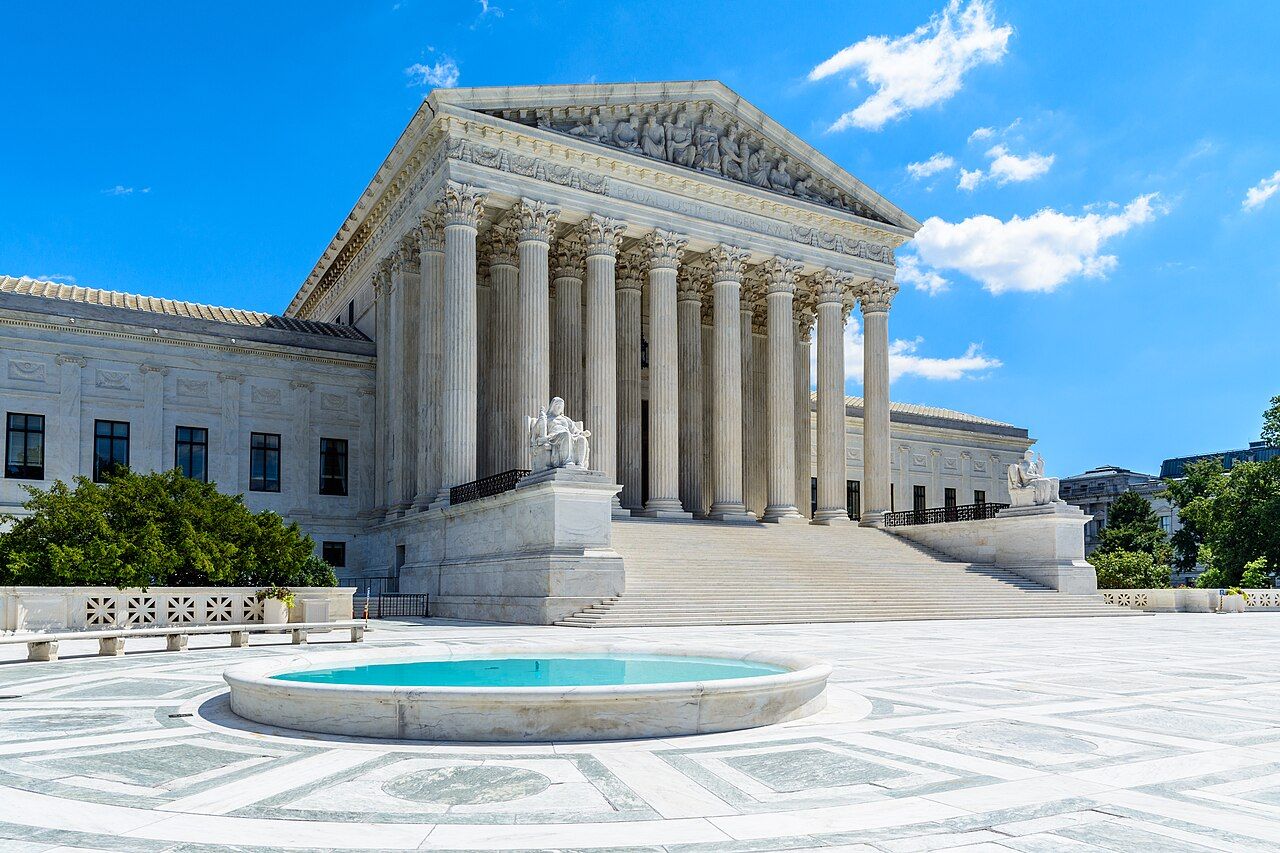
The United States Supreme Court on Monday asked President Donald Trump's administration to weigh in on whether it should review a lower court ruling that blocked the Iowa immigration law allowing state officials to arrest and prosecute people who are in the United States illegally. The move signals the justices are seriously considering the case but want the federal government's position first. Iowa is appealing an 8th US Circuit Court of Appeals decision that said the Republican-led state's 2024 law interferes with federal immigration enforcement.
The Iowa immigration law makes it a crime to enter Iowa for anyone who has been previously deported or denied entry to the United States. The case is Bird v. Iowa Migrant Movement for Justice, No. 26-49. It was brought by the advocacy group Iowa Migrant Movement for Justice and two residents who had previously been deported but were later allowed to reenter as lawful permanent residents. Iowa Attorney General Brenna Bird's office says the law supplements federal enforcement and argues the plaintiffs lack standing to sue.
The dispute is part of a wider clash between states and the federal government over immigration. Former President Joe Biden's administration sued Iowa, Texas and other states for passing their own immigration laws, while the Trump administration has supported the states' efforts. For Iowa, the case is being handled by state Solicitor General Eric Wessan. For the plaintiffs, the lawyer of record is Cody Wofsy of the American Civil Liberties Union Foundation.
Why the Iowa immigration law was blocked
The Iowa immigration law never took effect. A federal judge blocked it before it could be enforced, and the 8th Circuit upheld that block, finding that the state law intrudes on the federal government's exclusive authority over immigration. The appeals court concluded that letting state officers arrest and prosecute people for immigration violations would conflict with the federal system Congress created. Brenna Bird's office disagrees, contending that the Iowa immigration law works alongside federal law rather than against it.
The challengers argue the law exposes even lawful residents to arrest. The two individual plaintiffs in the case were once deported but later admitted as lawful permanent residents, yet the state law's text would make their presence in Iowa a crime. They say that mismatch shows the statute reaches beyond its stated target of unauthorized reentry. State officials respond that the law is aimed at people who reenter the country unlawfully, and that prosecutors would exercise discretion.
Iowa immigration law and federal enforcement
The central legal question is preemption, the principle that federal law overrides conflicting state law in areas Congress controls. The 8th Circuit held that immigration is such an area, and that Iowa's arrest-and-prosecute scheme cannot stand beside the federal immigration enforcement system. Iowa counters that the Iowa immigration law merely mirrors federal prohibitions on illegal reentry and gives state officers a tool to assist federal authorities. The Trump administration's view, which the justices have now requested, could tip the balance, since the federal government is both the author of immigration law and a party with strong views on state cooperation.
A similar Texas law has followed a parallel path through the courts. In that case, courts cleared the way for Texas to enforce its migrant arrest law while litigation continued, splitting lower courts on state immigration measures. The Iowa case gives the Supreme Court a chance to resolve the underlying question directly. If the justices take the case, a ruling would set the national rule for how far states can go in policing immigration on their own.
What happens next for the Iowa immigration law
The solicitor general will now file a brief telling the justices whether the federal government thinks the court should hear the case. Those briefs carry significant weight, and the court follows the government's recommendation in a large share of cases. Because the Trump administration has backed state immigration efforts, its brief is expected to favor review. After the brief arrives, the justices will decide in a private conference whether to grant the petition.
If the Supreme Court declines the case, the 8th Circuit's block stands and the Iowa immigration law remains unenforceable. If the court takes it, briefing and argument would likely stretch into next year, with a decision by the end of the term. Either way, the case has become a focal point in the national debate over immigration policy, and its outcome will shape how other states write their own enforcement laws.