US Job Postings Rise as Hiring Stays Slow in October
US job postings rose to 103.8 on October 16, while new postings stayed flat and September payrolls grew by only 29,000 jobs.
by Trends DeskOctober 26, 20264 min read
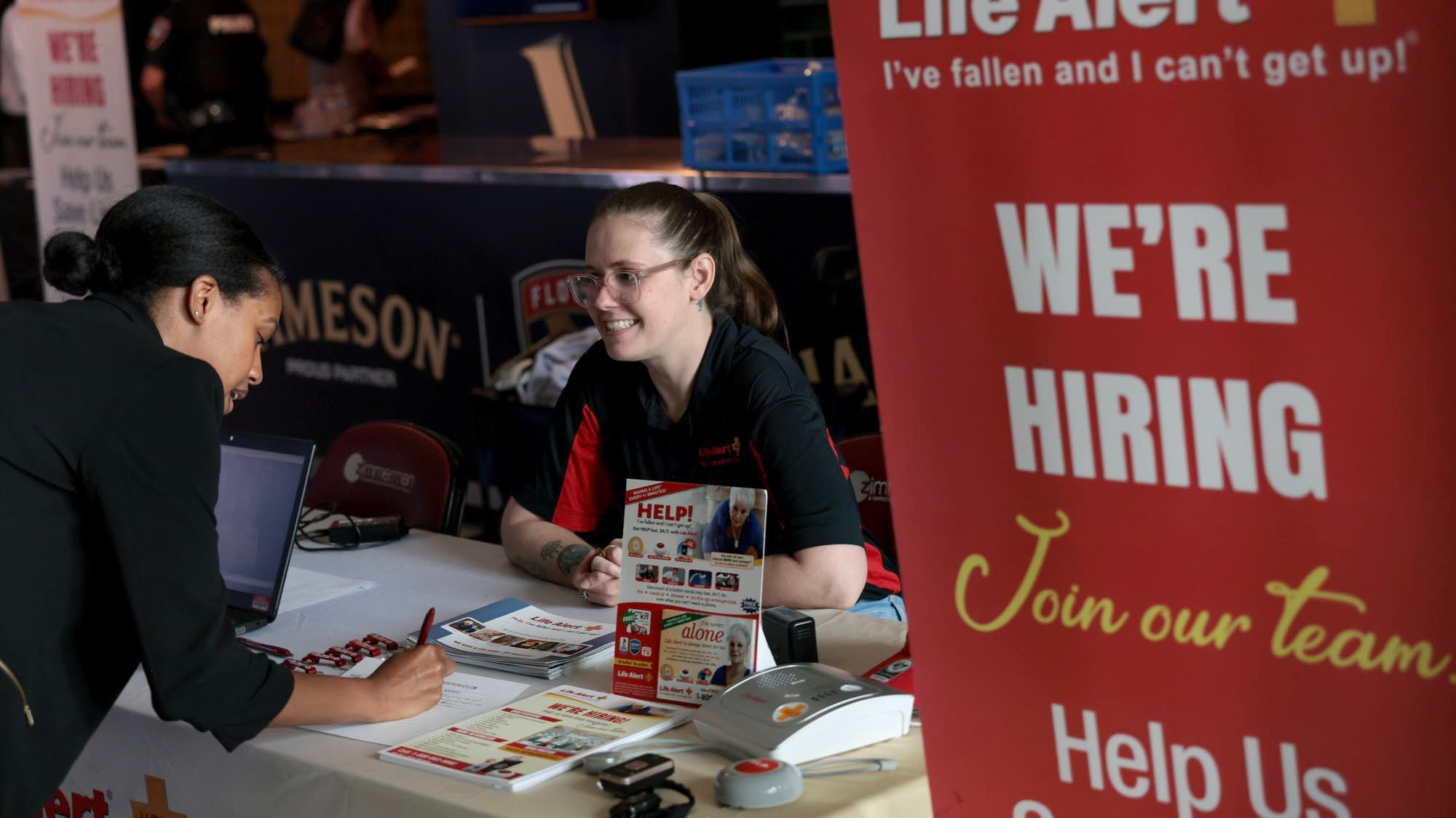
The United States labor market remains set in a low-hire, low-fire stance in October 2026, even as overall job postings have started to move higher. The Indeed Job Postings Index hit 103.8 on October 16, pushing overall job postings almost 4 percent above their February 2020, pre-pandemic level. New postings, defined as job postings on Indeed for seven days or fewer, have yet to improve, settling at 99.2. That split between total postings and new postings is central to the current picture. Employers are keeping roles open, but they are not adding fresh roles at a faster pace.
September's jobs report showed a gain of just 29,000 jobs, while the unemployment rate edged up to 4.2 percent, and the unemployment rate remains the headline measure for hiring conditions. The Indeed Hiring Lab described the September gain as disappointing, and it said it would be premature to say the labor market is strengthening on the basis of the rise in total postings alone. The increase in unemployment was driven in part by people re-joining the labor force, which the Hiring Lab described as a better reason for joblessness to rise than workers losing their jobs. The unemployment rate remains historically low and within policymakers' estimates of full employment.
Why job postings rose while hiring stayed slow
The breadth of hiring is improving, even if the pace of hiring is not. About 68 percent of occupational sectors had higher postings than a year ago, up from less than half, or 49 percent, at the beginning of September. Engineering occupations are proving to be a particular area of strength. Mechanical, civil, and electrical engineering account for three of the top five sectors by job postings, outshone only by demand for physicians and surgeons and therapy roles. That pattern suggests demand is broadening across skilled technical work, while other parts of the market remain flat.
Regional differences are also large. Labor demand can vary considerably from market to market, and local conditions often exceed or fall short of national averages by wide margins. Some of the slackest areas, meaning the toughest places to find work, are in California and the Southeast. Local job postings indexes in Seattle, San Francisco, and Santa Rosa were among the lowest in the nation, at 67, 72, and 73. The Hiring Lab said demand in several California and Washington metros, all large tech hubs, has suffered from the pull-back in tech-related hiring. Southeast markets showed slack mainly from a mismatch between available jobs and available workers rather than lagging demand.
Wages, hiring, and job postings
Posted wages grew 2.4 percent year over year in September 2026, cooling slightly after a string of stronger summer readings. Inflation-adjusted average weekly earnings fell 0.5 percent from August to September, bringing take-home pay 0.1 percent lower this September compared with the same month last year. Certain sectors are seeing stronger gains in advertised wages, notably electrical engineering at 5.6 percent on the year and IT systems and solutions at 4.7 percent. Workers in those fields are seeing pay growth well above the national average, while many other workers are feeling a squeeze from higher prices.
One clear exception is data center work. Data center-related job postings have grown another 20 percent in just three months and are now 147 percent above the levels observed in June 2024. Tech postings excluding data centers stayed close to the 100 baseline over the same period. That contrast shows how a single fast-growing area can lift total postings without lifting hiring across the whole economy. Job seekers who can work in data center roles, or in engineering roles tied to that growth, face a different market from job seekers in software development or human resources, where postings have fallen well below the pre-pandemic baseline.
The Indeed Hiring Lab expects the year-over-year change in job postings to remain positive through the fall, helped by favorable base effects from subdued levels in late 2025 and a stronger seasonal hiring picture compared with recent years. Whether that turns into faster hiring will depend on new postings, which have not yet improved, and on the next jobs reports. Until new postings rise, the market is likely to stay in its current form: roles stay open, layoffs stay low, and finding a new job takes longer than it did when hiring was faster.