Verizon AWS Deal Tops $2 Billion as Forecasts Rise
Verizon raised its full year forecasts and signed a deal worth more than $2 billion with Amazon Web Services for fiber connectivity to data centers.
by Trends DeskOctober 27, 20263 min read
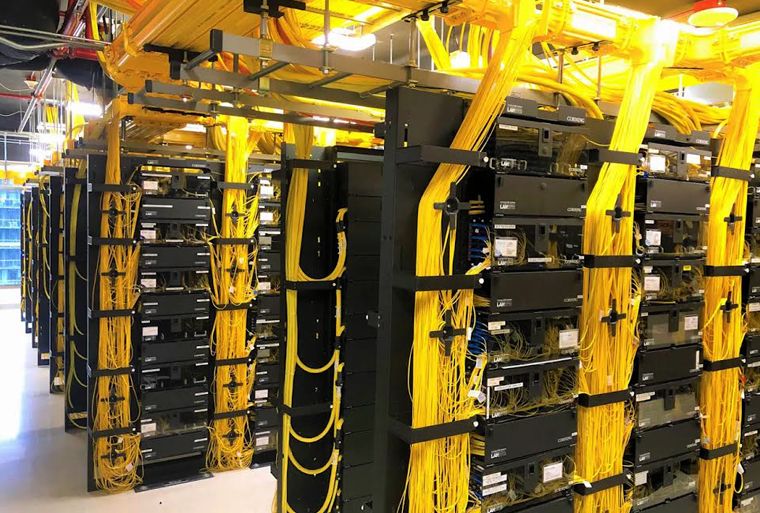
Verizon raised its annual forecasts on October 26 and signed an artificial intelligence infrastructure deal worth more than $2 billion with Amazon Web Services. The Verizon AWS deal will see Verizon provide high-capacity fiber-optic connectivity for AWS data centers. For the third quarter, the carrier added 406,000 monthly-bill paying wireless subscribers, nearly double the 209,439 analysts had expected.
Verizon now expects to add between 1.1 million and 1.2 million postpaid phone subscribers this year, up from an earlier projection of 750,000 to 1 million. It also raised its full year adjusted earnings per share forecast to $5.04 to $5.06, from $4.99 to $5.04 earlier. Third quarter revenue of $34.3 billion fell short of analyst estimates of $34.74 billion, according to LSEG data, and shares fell 2.5% in early trading.
Fiber for data centers
Under the Verizon AWS deal, Verizon will supply fiber-optic links to Amazon's cloud unit as data center demand keeps rising. The deal covers fiber connectivity for AWS data centers at high capacity. The agreement is one of the largest of its kind for a US carrier, and it ties Verizon's fiber network directly to the buildout of AI computing capacity. Data centers need fast, high-capacity connections to move large volumes of traffic, and carriers with deep fiber networks are in demand from cloud providers racing to add capacity.
Chief executive Dan Schulman said on the post-earnings call that the company was in talks with additional hyperscalers, neocloud providers and large enterprise clients to supply dark or lit fiber connectivity. That comment pointed to more deals of the same kind, as cloud companies look for fiber routes to new data center sites. The Verizon AWS deal is the first public anchor for that push, and it gives Verizon a revenue stream tied to AI infrastructure rather than to phone plans alone.
Subscribers beat forecasts
The Verizon AWS deal arrived alongside a strong subscriber quarter. Verizon subscribers on postpaid phone plans rose by 406,000 in the third quarter, against expectations of about 209,000. Verizon subscribers grew faster than expected, and the Verizon forecast for the full year moved up with them. The company credited strong demand for its simplified plans, which bundle services into fewer choices for customers. The beat on additions was the main reason Verizon lifted its full year subscriber forecast to 1.1 million to 1.2 million.
Verizon forecast changes also covered profit. The adjusted earnings per share range moved up to $5.04 to $5.06, a small but clear lift from the prior $4.99 to $5.04 range. Revenue missed estimates because device upgrade volumes fell after Verizon began cutting device subsidies, and the company expects that trend to continue in the fourth quarter. Lower device sales cut reported revenue even when subscriber numbers rise, since fewer phone sales pass through the top line.
Schulman also addressed competition from SpaceX on the call. He said building a competing terrestrial network would take four to six years and cost $300 billion to $500 billion, and that Verizon would compete hard once SpaceX enters the market. The remark showed how seriously carriers take satellite competition, even as their own fiber and wireless networks carry most US traffic today.
The Verizon AWS deal and the subscriber beat together tell a story of a carrier leaning on two growth paths at once. Phone additions are running ahead of plan, helped by simpler plans, while fiber deals with cloud providers open a second line of business tied to AI infrastructure. For the fourth quarter, the Verizon AWS deal will be watched alongside subscriber numbers as the two growth paths play out. The revenue miss showed the limits of that story for now, since device sales still drag the reported total. For the fourth quarter, investors will watch whether subscriber gains hold and whether more fiber deals follow the AWS agreement.