Voters may reshape campaign finance laws in states
The Brennan Center reports that voters could reshape campaign finance laws in multiple states. Ballot decisions may change how campaigns raise and spend money.
by Trends DeskOctober 24, 20263 min read
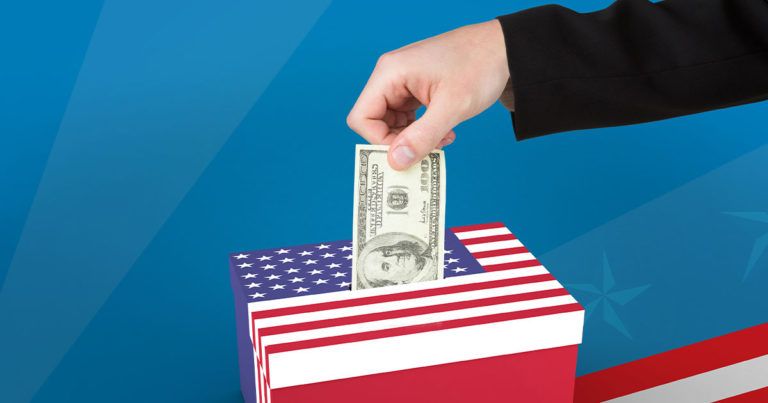
The Brennan Center for Justice reports that voters could reshape campaign finance laws in multiple states. The point is about who decides. These rules are often set by legislatures, but in states with ballot measures, voters can decide directly, and that direct route can change the rules under which campaigns raise and spend money. The Brennan Center account presents this as a live possibility across more than one state, rather than as a single local vote.
How voters can reshape election spending rules
Election spending rules cover the money side of elections: who may give, how much may be given, what disclosure rules require to be disclosed, and how campaigns and outside groups may spend. When voters reshape campaign finance law through a ballot measure, they are not choosing a candidate. They are choosing the rules for future campaigns. That makes the vote different in kind from an ordinary election, because its effects last beyond one contest and shape every contest that follows under the new rules.
Ballot measures on election money often arise where voters feel that the existing rules favour large donors or hide the source of money. A measure may tighten disclosure, limit contributions, or set new rules for spending by outside groups. The Brennan Center report does not, in its headline, name the states or the measures, so readers should not assume which rules are on the table in any one place. The common thread is the route: voters, rather than lawmakers alone, deciding the campaign finance rules.
Why state ballot votes on campaign finance matter
State ballot votes in one state can matter elsewhere because states often watch each other. A rule adopted by voters in one state may be copied, adapted or opposed in another, and national groups that fund campaigns pay attention to where the rules are moving. The Brennan Center framing, which speaks of multiple states, suggests a wider pattern rather than an isolated vote. If voters reshape campaign finance law in several states at once, the combined effect may be larger than any single measure, and it may signal a wider public view about money in politics.
There is also a practical reason why these votes matter. These rules affect how candidates plan, how donors give, and how much information voters receive about who funds a campaign. A change in disclosure rules, for example, changes what voters can learn before they vote, while a change in contribution limits changes which donors matter most. The Brennan Center account treats those practical effects as the stakes of the votes it describes, and they are stakes that apply in every state where a measure is on the ballot.
What voters face when deciding campaign finance rules
Voters who face a campaign finance measure must judge a rule, not a person, and that task has its own difficulty. The wording of a measure can be technical, and its effects may depend on later rules and court decisions. Supporters and opponents will describe the same measure in different terms, and voters must weigh those claims against the text itself. The Brennan Center report presents voters as the decision makers in this process, and that role carries a need for clear information about what each measure would actually change.
The outcome, in the Brennan Center account, is still open. Voters could reshape campaign finance laws in multiple states, and the word could carries the uncertainty. The measures may pass, fail, or pass in some states and fail in others, and the Brennan Center frames the moment as one in which voters hold the decision.