
Fed rate hikes look more likely after hot inflation data
Wall Street now expects the Federal Reserve to raise rates in December after a third straight month of hot inflation data, with more rises likely in early 2027.
by Trends DeskNovember 19, 20264 min read
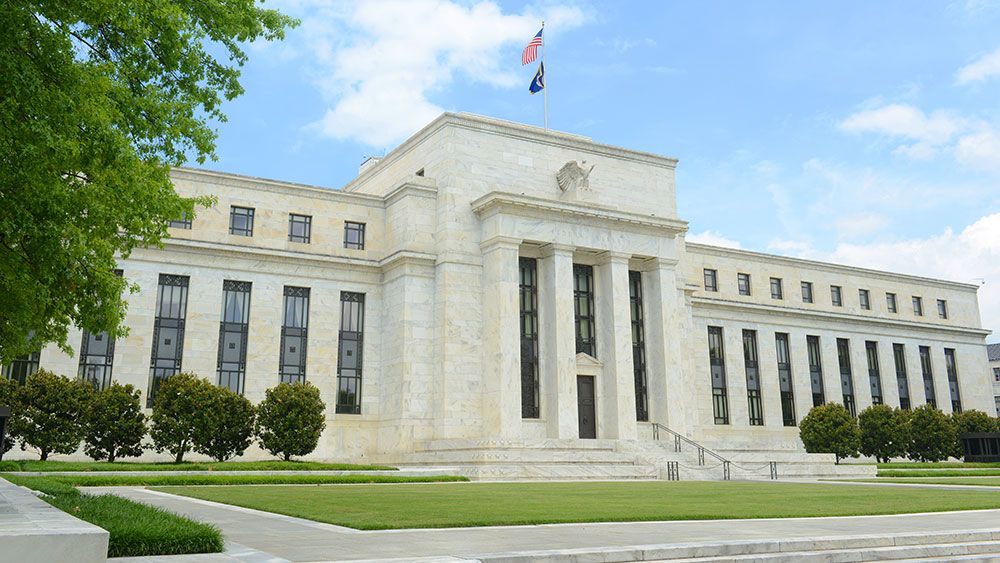
Wall Street now expects the Federal Reserve to raise interest rates in December, and a growing number of analysts say Fed rate hikes could continue into next year after a third straight month of disappointing inflation data. Consumer prices rose 0.4 percent in October, above the 0.3 percent forecast, while annual inflation reached 4 percent, twice the central bank's target. The figures have shifted the debate from whether the Fed will move at all to how fast and how far it will go.
The central bank held rates unchanged in October, a decision that now looks harder to defend. Bank of America analysts wrote in a note on Tuesday that goods prices are becoming a problem again, and that the recent firmness in prices is spreading to more of the goods and services Americans buy. The bank still expects a quarter-point rise in December, but its analysts warned that the October hold is looking like a policy mistake, and that the Fed seems to be falling behind the curve.
JPMorgan analysts have raised similar questions about the Fed's decision making, describing central bankers as caught in a "coulda, woulda, shoulda" situation. The affordability crunch was a central issue for voters in the midterm elections, and the latest data showed price rises in food, rent, medical care and electronics. Only weeks ago, many investors expected the Fed to stay on hold into next year, but the October report changed that view, and the case for Fed rate hikes has built quickly since.
Why Fed rate hikes are back on the table
Fed Governor Christopher Waller has already raised the possibility of a half-point increase in December, twice the usual increment, based on the hot October data. Futures markets now put roughly a 90 percent probability on a quarter-point rise in December, with the rest of the probability centred on a larger move rather than another pause. David Mericle of Goldman Sachs expects the Fed to raise rates for a third time in March, and he expects price growth to ease in a clear way by the end of 2027 as the effects of tariffs, energy disruption and pricing linked to artificial intelligence fade. The debate over Fed rate hikes is now about speed as much as direction.
How Fed rate hikes could unfold
Bank of America sees a rising risk that the Fed will have to raise rates again in January rather than March, its previous expectation. Goldman Sachs looks further ahead, with Mericle forecasting a third increase in March as the Fed works to contain price rises that have spread well beyond energy. The Federal Reserve raised rates in September for the first time in three years, taking the federal funds rate to a range of 3.75 percent to 4 percent, and the October pause left that range in place. Wall Street has already concluded that rising costs have all but secured another increase in December, and the fresh numbers were discouraging enough to push some forecasters to bring forward the timing of the next steps. The shift shows how fast the outlook for Fed rate hikes has changed.
A warning from the other side
Not every voice on Wall Street wants faster Fed rate hikes. Mark Zandi, chief economist at Moody's Analytics, said in late October that the September rise was a serious mistake and warned that further Fed rate hikes would add to the damage. He pointed to the 10-year Treasury yield near 5 percent and mortgage rates above 7 percent, and argued that the bond market is already doing the tightening for the central bank. The disagreement leaves Chair Kevin Warsh with a divided set of signals as the December meeting approaches, and with traders watching each new price report for a sign of which way the Fed will move.
The October data also showed how broad the pressure has become. Price rises spread from energy into food, rent, medical care and electronics, the goods and services households buy most often. That breadth is what has changed the argument for Fed rate hikes, since a narrow rise in one category would be easier for the central bank to look past. The December decision will show whether the Fed now agrees.
Related articles in Finance
View all Finance →Browse more stories in Finance.