
Democrats face limits on Trump auto industry reset
Democrats won Congress in the 2026 midterms, but a presidential veto and Senate rules limit what they can do about Trump's auto industry overhaul.
by Trends DeskNovember 19, 20264 min read
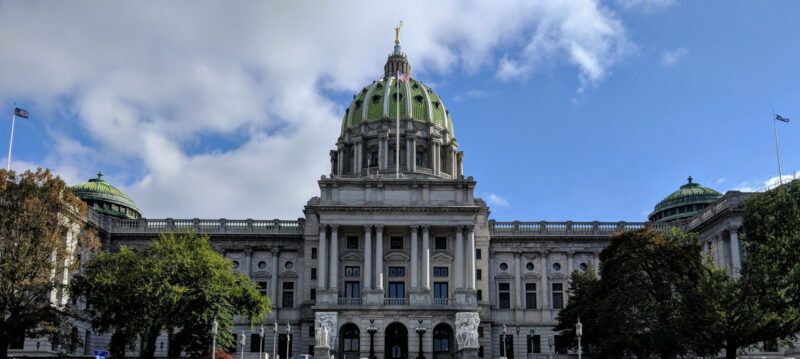
Democrats won control of Congress in the 3 November midterm elections, and the auto industry is one of the first places the change will be felt. The party flipped Senate seats in Maine, Iowa, Kansas, Ohio, North Carolina, South Carolina and Texas, and will hold a House majority when the new Congress meets in January 2027. The question now is what Democrats can do about the overhaul of federal car policy under President Donald Trump.
The Trump auto policy changes have been wide. Environmental Protection Agency Administrator Lee Zeldin finalised the rescission of the 2009 greenhouse gas Endangerment Finding and the vehicle greenhouse gas standards built on it. Transportation Secretary Sean Duffy finalised a reset of CAFE standards, cutting the 2031 fleetwide target to 34.9 miles per gallon from 50.4. The administration also ended federal support for the electric vehicle transition, imposed new tariffs on vehicles and auto parts, and declined to extend a key North American trade agreement, leaving the auto industry to plan around higher costs.
The numbers behind the fuel economy change show why it matters. The Transportation Department puts the saving for carmakers at $1,289 per vehicle in compliance costs, and says drivers will pay more than $1,600 extra in fuel over the life of a car. The $7,500 EV tax credit was phased out by Congress last year under the One Big Beautiful Bill Act, which Trump signed into law on 4 July 2025. The auto industry has already changed its plans around the new rules, and some carmakers have put money into new plants and supply chains.
Democrats will have tools to use on the auto industry, but each one has a limit. Congress can pass laws to change the rules, yet the president can veto them, and Democrats do not have the votes to override a veto. Most major bills also need 60 votes in the Senate to move forward. Trump made the point himself after the election, posting an image on his Truth Social site showing a red hat with a single word on it: "VETO." The Congressional Review Act offers another route, but that also needs the president's signature or a veto-proof majority.
What Democrats can do in the auto industry
Oversight and the courts may matter more than new laws. Democrats will be able to investigate the administration, hold hearings and block nominees. The courts are already in play: a coalition of 26 states, counties and cities, including California and Michigan, sued in October to challenge the fuel economy rollback, and the Alliance for Automotive Innovation filed on 2 November in support of the administration at the 1st US Circuit Court of Appeals. Mike Murphy, founder of EVs for All America, said after the election: "The Congress is now at the grown-up table. Trump is going to lose the power of the federal checkbook." The auto industry will be watching both.
The auto industry split over fuel economy rules
The auto industry is split over the rollback. General Motors has sided with the administration in backing the Trump auto policy rollback, since looser rules cut costs on its trucks, and the Transportation Department's own figures show the change saves carmakers money. Sam Abuelsamid, lead auto analyst with Telemetry Research, said new laws could try to bring back the old CAFE standards, with a 50 miles per gallon target that would force carmakers to build more efficient vehicles, including hybrids and electric cars. A revived EV tax credit would also help sales of electric cars, but it needs the same votes. Sam Fiorani, vice president of AutoForecast Solutions, said Democrats will not be able to get much through Congress and signed into law.
The CAFE standards fight is only one part of the picture. Democrats could also try to bring back the EV tax credit, but the same veto problem applies. The Trump auto policy on tariffs is another battleground, and Democratic leaders have promised action to reverse some of Trump's tariffs, which raise the cost of imported cars and parts. Lawmakers may also act on the Connected Vehicle Security Act, which would effectively ban Chinese cars and carmakers from the American market. State legislatures may move faster than Congress on dealership rules and local issues. The auto industry will spend the next two years working out which of these fights Congress can win, and which will stay with the courts.
Related articles in Autos & Vehicles
View all Autos & Vehicles →Browse more stories in Autos & Vehicles.