
WHO issues first type 1 diabetes guidelines for adults
WHO has issued its first guidelines on type 1 diabetes for adults, covering insulin treatment, blood glucose checks and care in low-resource settings.
by Trends DeskNovember 19, 20264 min read
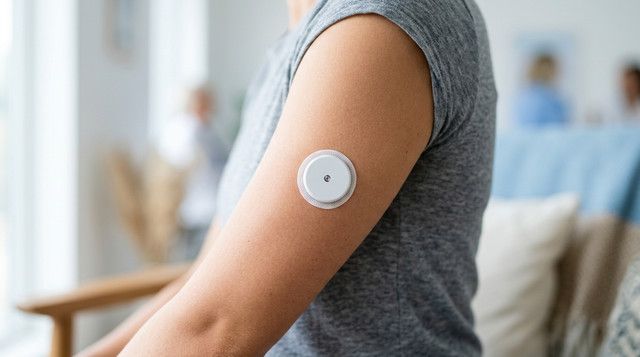
The World Health Organization (WHO) has issued its first type 1 diabetes guidelines for adults, covering diagnosis and daily care for a condition that affects about 9.5 million people worldwide. The type 1 diabetes guidelines were released on 14 November to mark World Diabetes Day 2026, and they apply in every setting, including places where supplies are short and clinics face disruption from conflict or disaster.
About 500,000 people were diagnosed with type 1 diabetes in 2025, WHO said, adding to the 9.5 million already living with the condition. The guidance is the first from WHO to deal with adults with type 1 diabetes in one place. Earlier WHO advice covered children and adolescents, and separate guidance covered insulin use in low-resource settings. Adults had no single set of recommendations of their own until now.
Dr Søren Brostrøm, WHO director of noncommunicable diseases and mental health, said access to affordable and quality insulin remained a challenge more than a century after insulin was discovered. "The new WHO guidelines provide evidence-based recommendations to help countries deliver the best possible care, including in settings where resources are limited and health services are disrupted," he said. The quote sets the tone for the document: practical advice for health services that work with thin budgets and fragile supply chains.
What the type 1 diabetes guidelines say about insulin
The type 1 diabetes guidelines recommend multiple daily injections of insulin, with doses adjusted to blood glucose levels. Human insulin, a manufactured medicine that works in a similar way to insulin made by the body, is named as a suitable and effective option. WHO also recommends regular blood glucose monitoring so patients and health workers can track how treatment is working and adjust doses when readings move out of range.
Insulin has been available for more than 100 years, yet many people still cannot get it at a price they can pay. WHO said the gap is widest where health budgets are thin and supply chains are weak. The guidelines aim to close that gap by giving health services clear advice they can follow with the staff and supplies they already have, rather than advice that only works in well funded hospitals. Multiple daily injections are presented as the standard approach, with human insulin as a treatment that health systems can afford and supply at scale.
Why the type 1 diabetes guidelines stress blood glucose monitoring
Blood glucose monitoring sits at the centre of the new advice. Regular checks let people with type 1 diabetes see how food, activity and insulin doses affect their readings, and they let clinicians spot patterns that call for a change in dose. The type 1 diabetes guidelines present monitoring as part of routine care, not as an extra for patients who can pay for it. WHO wants every person with the condition to have access to affordable insulin and to blood glucose self-monitoring by 2030.
The advice also covers diagnosis and classification, insulin delivery, follow-up and keeping treatment going when services break down. In emergency and humanitarian settings, the guidelines ask health workers to protect insulin supplies and to keep records so treatment can continue when patients move. That part of the advice matters most where clinics close, power fails or people are displaced. Regular checks help in those settings too, because a single reading can show whether a patient has enough insulin or needs urgent help.
How the type 1 diabetes guidelines fit the 2030 targets
The type 1 diabetes guidelines support WHO targets to ensure that all people with type 1 diabetes have access to affordable insulin treatment and blood glucose self-monitoring by 2030. Issuing guidance does not by itself put medicines, trained staff or testing supplies within reach of every patient, and WHO said countries will need to act on the advice for it to change daily life. The guidelines are aimed at clinicians and health-system planners, not as an instruction for individuals to change prescribed doses without professional advice.
The underlying guideline was published on 12 November, with the public announcement following on 14 November for World Diabetes Day. The 2026 theme for the day is "Early action on diabetes", which points to timely checks and treatment. Health services that adopt the type 1 diabetes guidelines will have one document to work from, from first diagnosis through long-term follow-up, in clinics with full supplies and in those with far less.
Related articles in Health
View all Health →Browse more stories in Health.