
WHO urged to review drinking water nitrate standards
A coalition of more than 80 groups has asked the WHO to review drinking water nitrate standards, citing research on bowel cancer and premature birth.
by Trends DeskNovember 19, 20264 min read
A coalition of more than 80 environmental and health groups has asked the World Health Organization (WHO) to review drinking water nitrate standards, saying the current limit no longer reflects what research shows about long term exposure. The open letter, released on 2 November 2026, asks the WHO Secretariat and its Guideline Development Group to give drinking water nitrate standards a full evaluation in the next review of global drinking water quality guidelines.
Greenpeace International, the International Panel of Experts on Sustainable Food Systems and the World Organization of Family Doctors are among the signatories. The letter was timed to coincide with World One Health Day, which the WHO marks with three other United Nations bodies to draw attention to the links between human, animal and ecosystem health.
Amanda Larsson, Greenpeace's Global Project Lead for agriculture, said: "Water should be life-giving, not life-threatening. We cannot protect human health without protecting the groundwater and rivers that sustain us." Her point is that drinking water nitrate standards shape what comes out of taps in farming areas.
Dr Pratyush Kumar, chair of the World Organization of Family Doctors Working Party on Rural Practice, said: "Studies now link nitrate in drinking water, at levels well below the current WHO limit, to bowel cancer and premature birth. As a rural family doctor, I support the call to update these limits so that farming families can trust the water they drink."
Why drinking water nitrate standards are under review
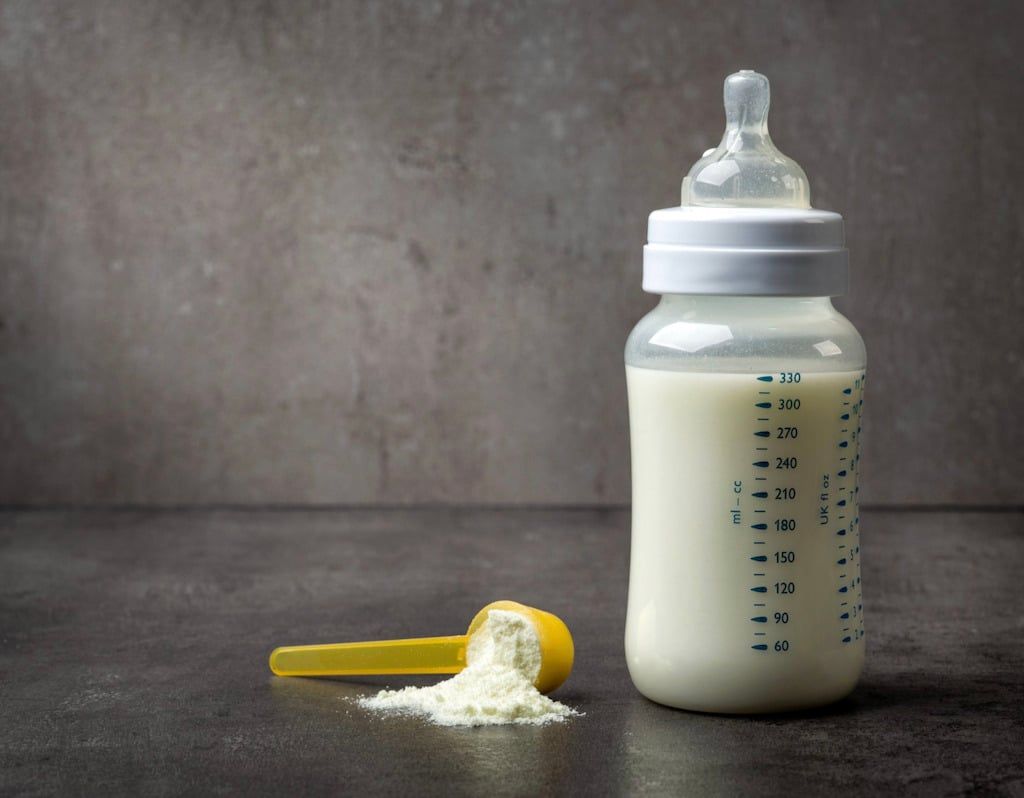
The WHO guideline that sits at the centre of drinking water nitrate standards is 50 milligrams per litre as nitrate, equal to 11.3 milligrams per litre as nitrate-nitrogen. It was set in 1958 to protect bottle-fed infants from methemoglobinemia, a condition often called blue baby syndrome. In that condition, nitrate in water is converted to nitrite in the body, and the nitrite binds to hemoglobin and lowers the blood's ability to carry oxygen. Infants under six months face the highest risk.
The WHO retained the value after reviews in 2003 and 2016. Blue baby syndrome remains the original reason for the limit, while the research cited in the letter concerns longer term exposure in the wider population. The coalition argues that the science has moved on since then. It points to 21st century epidemiological research which reports higher colorectal cancer risk, preterm birth and birth defects at nitrate concentrations far below the existing threshold. Bowel cancer is the term used in much of the public discussion of colorectal cancer, and the letter cites it as one of the outcomes now reported at low-level exposure.
Groundwater nitrate comes from several directions. Synthetic nitrogen fertiliser applied to fields can wash into soil and groundwater. Livestock waste and untreated sewage add further nitrogen. Where groundwater nitrate is high, standard treatment does not always bring levels down. Removal usually needs reverse osmosis or ion exchange.
What drinking water nitrate standards mean in India
National governments generally peg their own drinking water standards to WHO guidelines, so the coalition argues that an updated WHO standard would matter far beyond Geneva. In India, the Bureau of Indian Standards sets the desirable limit for nitrate in drinking water at 45 milligrams per litre under IS 10500:2012, below the WHO guideline of 50 milligrams per litre. Any revision of drinking water nitrate standards would therefore be read closely by regulators in India and elsewhere.
Denmark has already moved in this direction. Its government has committed to a substantially lower limit for nitrate in drinking water, acting on an independent international expert assessment that recommended 1.3 milligrams per litre as nitrate-nitrogen. The assessment concluded that existing evidence indicates an increased risk of colorectal cancer at concentrations well below current guideline values. The Danish case is cited in the open letter as evidence that drinking water nitrate standards can be set well below 50 milligrams per litre.
The letter does not claim that the WHO has agreed to change drinking water nitrate standards. It asks the WHO Secretariat and its Guideline Development Group to formally prioritise nitrate for full evaluation in the upcoming review. Until that review is complete, the current WHO value of 50 milligrams per litre remains in place, and the coalition says the review itself is the step it wants first.
StructuredData: {"@context": "https://schema.org", "@type": "NewsArticle", "headline": "WHO urged to review drinking water nitrate standards", "description": "A coalition of more than 80 groups has asked the WHO to review drinking water nitrate standards, citing research on bowel cancer and premature birth risk.", "mainEntityOfPage": "https://www.matrimonyjustice.com/who-review-drinking-water-nitrate-standards"}
Related articles in Health
View all Health →Browse more stories in Health.