
Yakima bird flu death is first in Washington dairy outbreak
A Yakima County resident has died after a dairy-linked bird flu infection, the first death in a Washington outbreak that has reached 33 Yakima County herds.
by Trends DeskNovember 19, 20264 min read
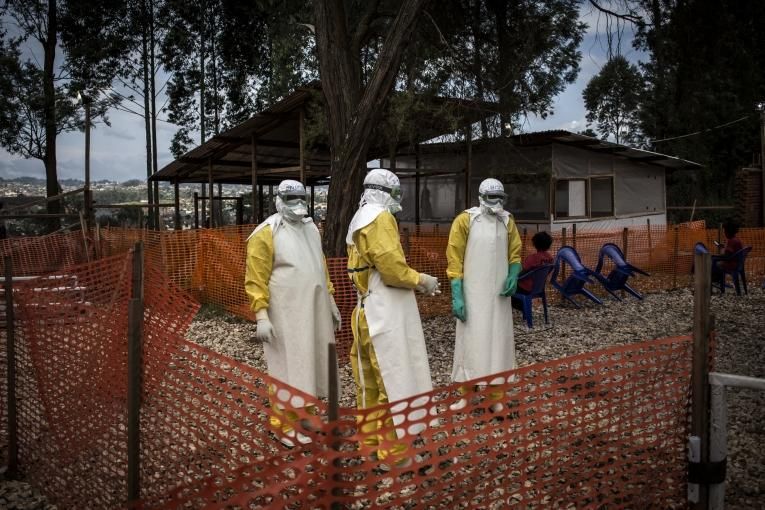
A Yakima County resident who was hospitalized with severe illness after exposure to infected dairy cattle has died of bird flu, the Yakima Health District said on November 1. The district announced the Yakima bird flu death in a news release on Sunday, November 1. It is the first death in a Washington outbreak that has now infected 33 dairy herds in Yakima County and reached neighboring Benton County. The person had underlying health conditions, the district said, and it withheld the person's name, gender and age out of respect for the family's privacy. Yakima bird flu cases in people remain few, but the death marks a serious turn in an outbreak that began in cattle in early October.
The person was one of three Yakima bird flu cases in people in the region, according to the Tri-City Herald. In the same release, the district reported a third confirmed human case, a resident exposed to infected dairy cattle who has not been severely ill and has not been hospitalized. The county's initial human case linked to infected dairy cattle was confirmed on October 15, less than a week after officials verified H5N1 at two local dairy farms. Washington confirmed its first infections in dairy cattle on October 8 at two Yakima County dairies. On October 26, the Benton Franklin Health District said the virus had also infected cows at a dairy in Benton County, bringing the state total to 34 herds, with 33 in Yakima County and one in Benton County. The Yakima bird flu death was the first fatal case among the three confirmed human cases in the county.
How Yakima bird flu spread through dairy herds
The virus moves between cattle through infected animals and contaminated milk, equipment, vehicles, clothing, footwear and the people who move between farms. Infected cows shed the virus in their milk, which makes raw milk and raw milk cheese unsafe to consume, according to the Washington State Department of Agriculture. Pasteurized milk and dairy products are safe to consume, the county says, because pasteurization kills viruses and bacteria in milk, including the HPAI virus. Yakima bird flu guidance from the county also warns people not to feed pets raw milk, unpasteurized dairy products or raw meat, including raw pet foods.
Dr. Dave Atteberry, health officer for the Yakima Health District, said avian influenza can cause severe illness, particularly in people who have underlying health conditions. He said, "While this is a serious and heartbreaking outcome, the risk to the general public remains low." Health officials said the risk to the general public remains low in the Yakima bird flu outbreak. The people at greatest risk are dairy workers and anyone else in close or prolonged contact with infected animals, or with environments contaminated by the virus.
Symptoms and protection against Yakima bird flu
Symptoms in people can include fever or chills, cough, sore throat, muscle or body aches, vomiting, diarrhea, eye redness or irritation, difficulty breathing, a runny or stuffy nose and severe respiratory disease, according to Washington State Department of Health guidance linked by the county. The county advises people to avoid contact with sick or dead birds and other animals. It advises people who must handle sick or dead birds or other animals, or work in their environment, to wear personal protective equipment. It also advises people to talk to a health care provider about getting the seasonal flu vaccine, although that vaccine does not prevent bird flu. The seasonal shot reduces the risk of co-infection with human and avian influenza viruses, the county says. Anyone who works on a dairy farm and develops symptoms after potential exposure to infected cattle should contact a health care provider or the Yakima Health District at (509) 480-3770.
Gov. Bob Ferguson said he was being briefed on the Yakima bird flu situation, and he said workers at affected farms should wear personal protective equipment and that his team was coordinating with public health and agriculture officials. He said workers at affected farms are advised to take safety precautions, but the risk to the public remains low. Transmission of avian influenza between humans is extremely rare and has never been documented in the United States, the county says, and there is currently no evidence of person-to-person transmission. Health officials continue to assess the risk to the general public as low, while tracing close contacts and monitoring them for symptoms.
Related articles in Health
View all Health →Browse more stories in Health.