
Yemeni parliament approves law naming Houthis terrorists
Yemen's parliament has unanimously approved a law designating the Houthis a terrorist organisation, criminalising their activities and financing.
by Trends DeskNovember 19, 20263 min read
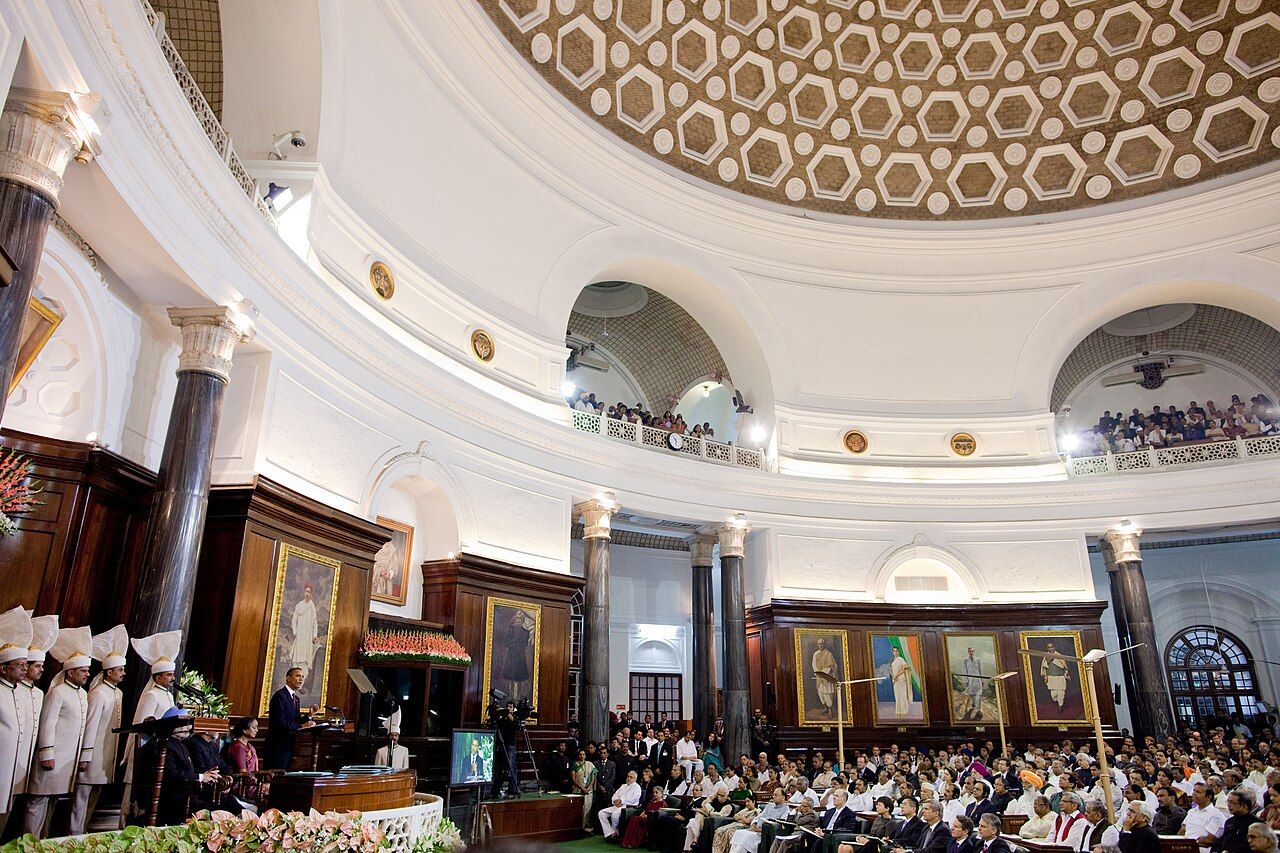
The Yemeni parliament has unanimously approved a law designating the Houthis as a "terrorist organisation" and criminalising the group's activities and financing, as fighting grows between the group and forces loyal to the internationally recognised government. The vote was held over two sessions by videolink on Monday, seven years after the measure was first proposed. The Yemeni parliament said it had held back the bill, first tabled at a session in the city of Seiyun in April 2019, to give peace efforts a chance.
The legislation was formally submitted to Rashad al-Alimi, head of the Presidential Leadership Council, on Tuesday to be signed into law, according to the state-run Saba news agency. It runs to 55 articles and designates the group, including all of its political, military and civilian formations, a "terrorist organisation" and a "rebellious faction". The law also creates a framework for identifying, tracing and seizing assets tied to the group and to related entities.
What the Yemeni parliament approved
The law criminalises the activities of the Houthis, their financing and the supply of weapons to their members. It covers the group's political, military and civilian branches, and it sets penalties for people involved in offences linked to the group. The measure also nullifies decisions made by state institutions under the group's control, according to reports of the vote. The text runs to 55 articles, and lawmakers debated it over two days before a special parliamentary committee reviewed it.
The vote took place as government forces stepped up a military campaign in the south-west of the country. Al Jazeera correspondent Yousef Mawry reported that Houthi forces had cut off a supply route used by the government along the Red Sea coast. The fighting has added urgency to the Yemeni parliament's move, which comes as the internationally recognised government seeks firmer legal tools against the group.
Why the Yemeni parliament waited seven years
The bill was first tabled in April 2019, and the Yemeni parliament said it had deferred it to give peace efforts a chance. Cabinet approved the draft law on 11 October, clearing the way for the vote. The country's National Defence Council had already designated the Houthis a "terrorist" organisation by executive decision in October 2022. The United States also lists the group as a "terrorist" organisation, and Saudi Arabia treats it as one.
Parliamentary officials said the Houthis had rejected peace options and had carried out attacks on government-held territory and on Saudi Arabia. The seven-year delay, they said, reflected repeated attempts to settle the conflict through talks before turning to a law. The vote by videolink reflected the split in the country, with the parliament meeting away from the capital, Sanaa.
What happens next
The law now rests with Rashad al-Alimi, who heads the Presidential Leadership Council and must sign it for it to take effect. Once signed, the legislation gives the government a legal basis to pursue cases against people linked to the group and to seek payment for victims. Tawfiq al-Hamidi, head of the SAM Organization for Rights and Liberties, told Al Jazeera the law was "a late step" but provides a legal basis for holding those responsible for abuses to account and compensating victims.
The National Defence Council's 2022 decision already treated the group as a terrorist organisation, but the new law puts that position on a statutory footing. The designation also brings Yemen into line with the United States and Saudi Arabia, which already treat the Houthis as a terrorist organisation. The Yemeni parliament's move closes a gap that had left the designation resting on executive decisions rather than a law passed by the legislature.
The bill's long path began in Seiyun, where the Yemeni parliament first tabled it in April 2019. The Yemeni parliament then set it aside while mediators worked on a settlement, and it returned to the measure only after those efforts stalled. The unanimous vote, held over two sessions, showed the chamber speaking with one voice on a question that had divided it for years.
Related articles in Law & Government
View all Law & Government →Browse more stories in Law & Government.