YouTubers finance their videos: how it works
An FT feature explores how YouTubers finance their videos — from sponsorships and ad revenue to outside investment in the creator economy.
by Trends DeskOctober 18, 20263 min read
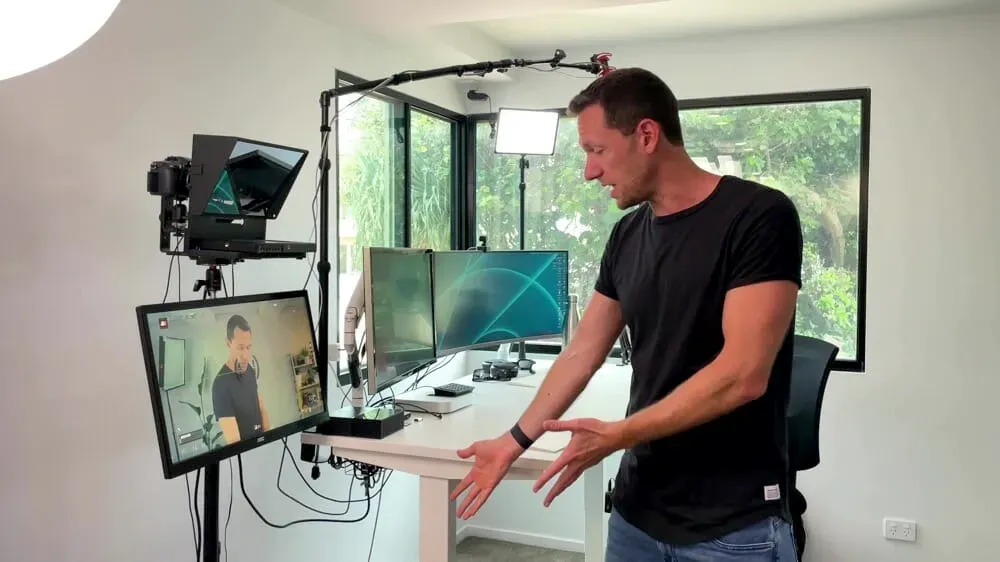
How do YouTubers finance the increasingly ambitious videos that dominate the platform? A Financial Times feature takes a close look at the money behind the content, tracing how creators pay for productions that can rival television in scale. The ways YouTubers finance their work have grown far more sophisticated than the early days of ad revenue alone, and understanding them is key to understanding the creator economy itself.
Paying for bigger shoots
The starting point, for most channels, is still the platform's own advertising revenue share. But ad payouts alone rarely cover the cost of ambitious video production, which can run from a lean crew with a camera to full sets, travel and post-production teams. To bridge the gap, the ways YouTubers finance projects have multiplied: brand sponsorships, where companies pay to be featured; affiliate revenue; merchandise; and fan funding through memberships and crowdfunding.
Sponsorships have become the workhorse of creator funding. A single integrated brand deal can fund an entire video, and top creators juggle calendars of sponsors much like television networks juggle advertisers. The economics favor scale: the bigger the audience, the larger the fee a creator can command, which in turn funds more ambitious productions. It is a flywheel: provided the audience keeps growing. For brands, the appeal is authenticity: a recommendation from a trusted creator often outperforms a traditional advertisement, which is why marketing budgets keep migrating toward these partnerships.
Run like startups
Increasingly, YouTubers finance videos the way startups raise capital: by reinvesting profits, taking on debt against future earnings, or bringing in outside investors. Some creators have launched their own production companies, hiring staff and signing multi-creator rosters. Others license formats or sell equity stakes in their channels' business operations. The FT's reporting shows how professionalized the creator economy has become: closer to a media industry than a hobby.
That professionalization brings familiar pressures. When YouTubers finance ever-larger productions, the need to recoup costs can shape editorial choices: thumbnails get louder, premises get more extreme, and the line between content and advertisement blurs. Creators interviewed for such features often describe the tension between making what audiences love and making what the algorithm, and the sponsors, reward. Managing that tension is now a core skill of video production at scale. The result is a strange hybrid: part media company, part personality brand, operating under financial pressures that traditional studios would recognize instantly.
For creators
The maturation of creator funding matters beyond YouTube. Advertisers shifting budgets from television to digital video need to understand how the creator economy prices attention, while traditional studios watch creators build audiences they once monopolized. The money flowing into independent video production is also reshaping who gets to make media: lowering barriers for some, while raising the cost of competing at the top.
For aspiring creators, the lesson is that the camera is the cheapest part. Success in the current scene demands fluency in how YouTubers finance their channels: diversifying revenue, negotiating sponsorships, and treating each video as both a creative work and a business bet. The FT feature makes clear that behind every viral hit is a financing story: and increasingly, a sophisticated one. As the sums involved in how top creators finance their output keep climbing, the line between creator and media company keeps getting harder to see.