Civil rights guidance under review by Education, Justice
The Education and Justice departments will reassess seven Obama- and Biden-era civil rights guidance documents, saying they are not enforceable.
by Trends DeskOctober 23, 20264 min read
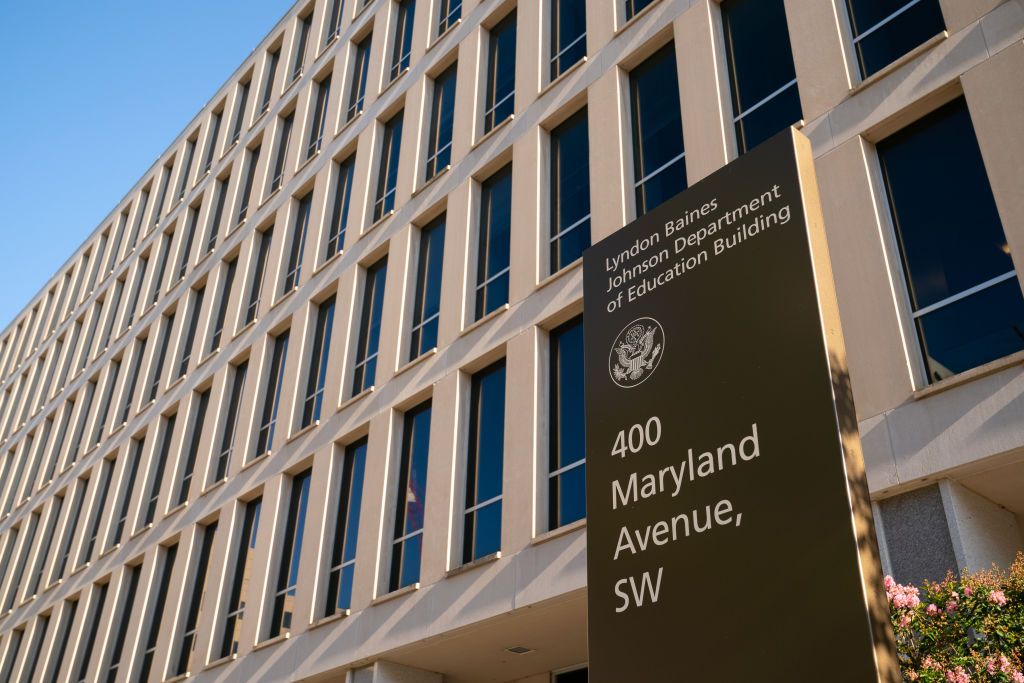
WASHINGTON: The Education and Justice departments said Thursday they will reassess seven Obama- and Biden-era civil rights guidance documents, checking whether they line up with the Supreme Court's decision in Loper Bright Enterprises v. Raimondo on how agencies may interpret federal law.
The seven documents address racial discrimination in student discipline, how colleges can still pursue diverse student bodies after the high court's decision in Students for Fair Admissions v. Harvard, and K-12 schools' legal obligations to students learning English, among other issues. The agencies announced the review on Oct. 22.
The departments also said they are clarifying that the seven documents are not enforceable, and that the government will not rely on them while the reassessment is underway. The move signals a wider rethink of civil rights guidance issued without the force of formal regulation.
Civil rights guidance and the Loper Bright test
The review turns on Loper Bright, the 2024 Supreme Court ruling that ended Chevron deference, the long-standing practice under which courts deferred to federal agencies' reasonable readings of unclear statutes. After the ruling, agency interpretations stand or fall on their own reading of the law, and guidance documents carry less weight than they once did.
The Education and Justice departments said the seven pieces of civil rights guidance may not fit that new framework. Guidance is meant to explain how an agency reads a statute, but under the ruling, courts will decide for themselves what the law requires. The agencies want to determine which of the documents still reflect a defensible reading and which should be withdrawn or rewritten.
The departments did not give a timetable for the review. They said the point for now is to state plainly that the documents do not bind schools, colleges or anyone else.
Which documents are affected
The seven documents span three main areas. The first concerns racial discrimination in student discipline, where Obama-era guidance took an expansive view of schools' liability for policies that produced unequal outcomes for students of different races. The Trump administration rescinded that guidance during its first term; the Biden administration did not restore it, but related documents remained on the books.
The second area covers diversity efforts in college admissions after Students for Fair Admissions v. Harvard, the 2023 ruling that struck down race-conscious admissions. Biden-era guidance tried to show colleges lawful paths to diverse student bodies within the new limits. The departments will now test that advice against the ruling.
The third area covers K-12 schools' obligations to English learners, spelling out the services districts must provide to English learners. The remaining documents deal with related civil rights questions under Title VI and other federal statutes.
School officials and lawyers have treated this civil rights guidance as the agencies' working view of the law for years. The announcement tells them to stop relying on that view while the review runs its course.
Civil rights guidance in a wider rollback
The reassessment fits a broader effort by the administration to pull back agency interpretations issued as guidance rather than through formal rulemaking. The Education Department has already moved to reject disparate-impact liability under Title VI, saying the statute bars intentional discrimination but not policies with unintentional unequal effects, and it will no longer pursue such claims against schools receiving federal funds.
The civil rights guidance review extends that pullback to documents issued under prior administrations.
The departments did not say whether the review will produce replacement civil rights guidance or formal rules. For now, the documents stay published but carry a clarification: they are the past administrations' interpretation, they are not enforceable, and the government is not relying on them.
What happens next
The civil rights guidance reassessment will test each document against the ruling's standard and decide whether to keep, revise or withdraw it. Until that work is done, schools and colleges face a period in which the federal government's stated position on several civil rights questions is, in effect, suspended.
The agencies said Thursday's announcement was the start of the process, not its end. Any document that survives the review would need to stand on its own reading of the statute, without the deference courts once gave agency interpretations.