Albanian students protest education, jobs in Tirana
Albanian students protest education funding and scarce jobs in Tirana, clashing with police in a major youth mobilization.
by Trends DeskOctober 18, 20263 min read
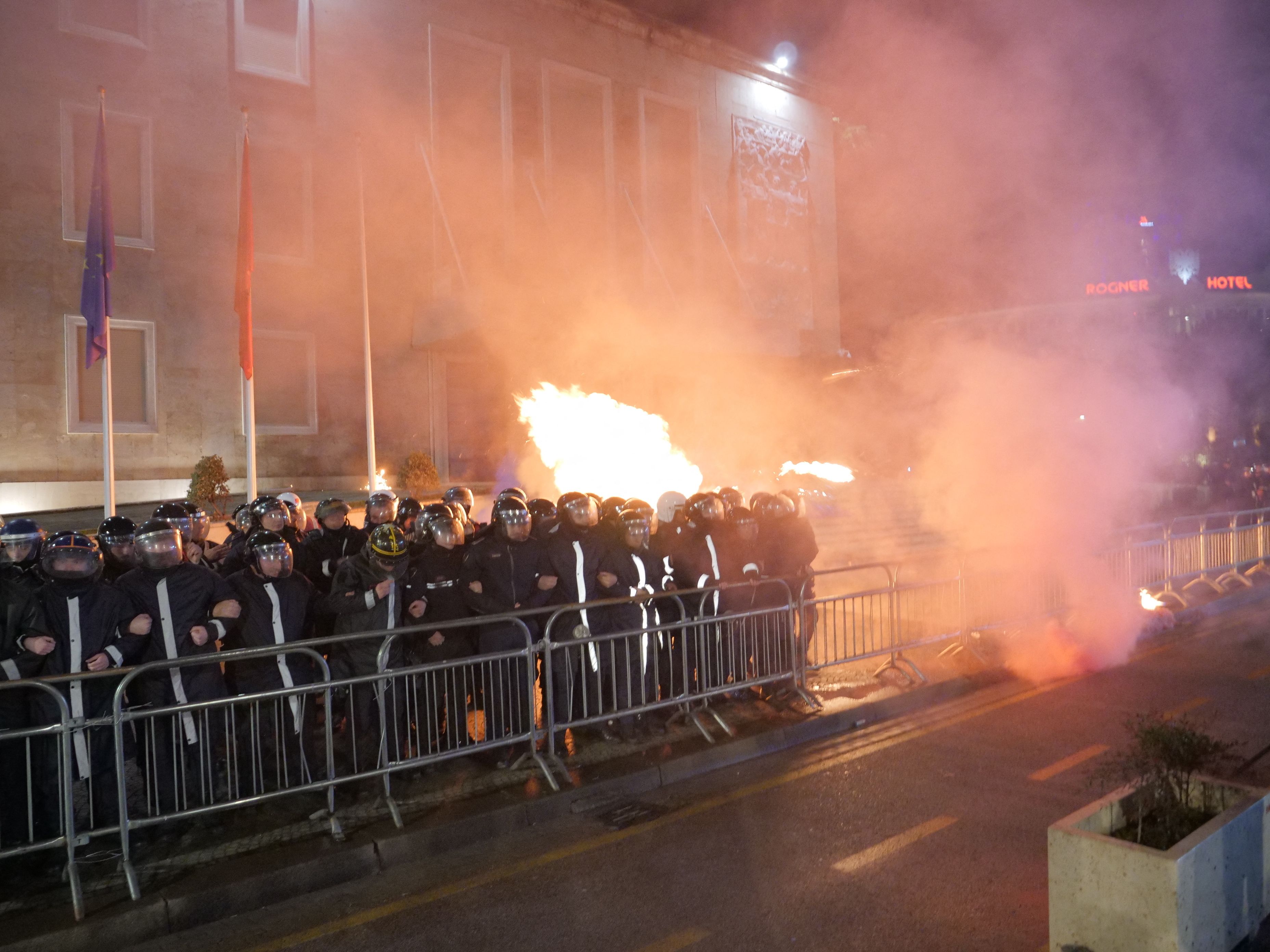
Albanian students clashed with police this week in protests over education conditions and scarce job prospects, in a rare eruption of youth unrest in the Balkan nation. Demonstrators took to the streets to demand better-funded universities, fairer access to opportunity and a government plan for graduate employment, and confrontations with security forces followed as the marches grew. The Albanian students protest, verified by Reuters, Al Jazeera and Fox News, underscores how deeply frustration runs among a generation that sees little payoff from its degrees.
The protests reflect grievances that have been building for years. Albanian universities have faced chronic underfunding, overcrowded lecture halls and outdated facilities, while graduates confront severe Albania youth unemployment. Many young Albanians conclude that the surest path to a decent living lies abroad, fueling an emigration wave that has hollowed out the country's skilled workforce. The Balkan emigration crisis deepens the sense of abandonment among those who stay.
Clashes with police marked an escalation that drew international attention. Images of Tirana demonstrations put the government on the defensive, with officials urging calm while student organizers accused authorities of ignoring legitimate demands. The Albanian students protest is the most significant student mobilization the country has seen in recent years.
Albanian students protest education funding and job prospects
At the heart of the Albanian students protest are two intertwined demands: invest in education and create jobs worth staying for. Student demands education reform that addresses crumbling infrastructure at public universities, rising living costs and a curriculum disconnected from the labor market. Employers complain that graduates lack practical skills, a mismatch that leaves young people credentialed but unemployable amid persistent Albania youth unemployment.
The jobs question is the more explosive of the two. Youth unemployment has long run far above the overall rate, and even employed graduates often work far below their qualifications. For students watching older siblings emigrate, the protest is as much about the future as the present: student demands education systems that lead somewhere, and a reason to believe a degree earned in Albania can support a life built in Albania.
Government responses have combined promises of dialogue with a show of force, a mix that has satisfied neither side. Student leaders say the Tirana demonstrations will continue until concrete commitments on funding and employment programs are made, raising the prospect of a prolonged standoff.
Why the Albanian students protest matters beyond Albania
The Albanian students protest fits a wider pattern across the Balkans and southern Europe, where young people increasingly challenge governments over the bargain between education and opportunity. From Serbia to Greece, student movements have become a barometer of generational discontent, and Albania's unrest adds another data point to a regional story about labor markets failing educated youth. The Balkan emigration crisis gives these protests added stakes across the region.
Emigration has already cost Albania a significant share of its young, educated population over the past decade, weakening the tax base and the talent pool. If the government cannot convince students that staying is viable, the country's demographic and economic future dims further, a feedback loop the protesters are explicitly trying to break.
What happens next in the Albanian students protest
The trajectory of the Albanian students protest now depends on whether either side blinks. Student organizers have framed demands around policy rather than partisanship, which has broadened public sympathy. The government, facing pressure at home and scrutiny abroad, must weigh concessions on education spending against fiscal constraints.
Past protest movements in the region offer mixed lessons. Some won real reforms in university governance and funding; others fizzled once media attention moved on. The students' best leverage is persistence: sustained, peaceful mobilization, beyond the initial Tirana demonstrations, is harder to ignore than a single day of clashes. For now, Albania's students have made themselves impossible to overlook.